Attraction in Wrocław
Ratusz (Old Town Hall)
A late-Gothic town hall built over roughly 250 years, famed for its richly carved south facade and astronomical clock from 1580. It houses the Museum of Burgher Art and the historic Piwnica Swidnicka beer cellar below.
Reviewed and updated July 2026
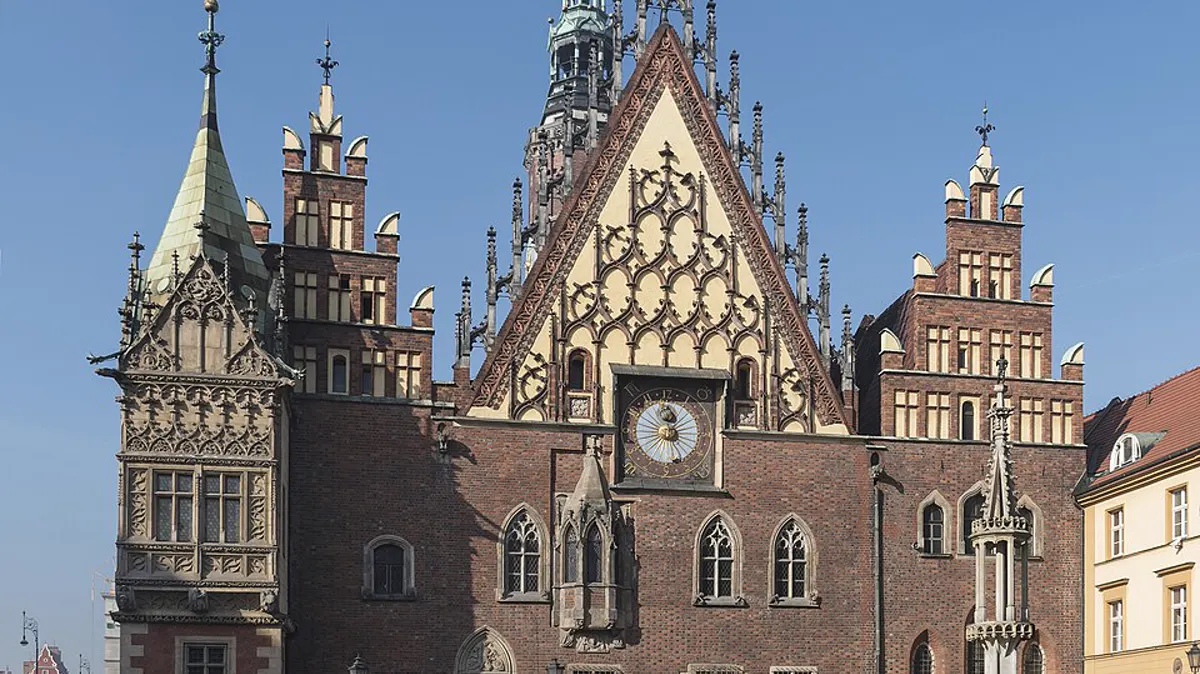
The Old Town Hall (Ratusz) stands at the centre of Wroclaw's Market Square. It is a late-Gothic building put up in stages over roughly two and a half centuries, best known for its heavily carved south facade and an astronomical clock dating from 1580. Inside is the Museum of Burgher Art, with the historic Piwnica Swidnicka cellar below. See the Wroclaw guide for the wider city.
Why visit the Old Town Hall
It is the single most detailed building on the square and one of the finest surviving Gothic town halls in this part of Europe. You can admire the exterior for free at any hour, then step inside for the museum and the vaulted cellars. The east facade with its old clock is the part most people photograph.
The carved facade and clock
The highlights sit inside and out:
- The ornate south facade, dense with stone carving and figures.
- The astronomical clock on the east side, made of larch wood and dated 1580.
- The Museum of Burgher Art, set in the historic rooms of the hall, which tells the story of the town's citizens and holds temporary exhibitions.
- The Piwnica Swidnicka beer cellar in the vaults below, one of the oldest surviving establishments of its kind in Europe.
250 years of Gothic building
Building began in the medieval period and continued in phases, with the richest carving added toward the end of the Gothic era. The hall served as the seat of the town council and its administration for centuries before becoming a museum. It survived the Second World War better than most of the surrounding centre.
How long to spend inside
Ten minutes to take in the exterior, and about an hour for the museum inside. Add time if you stop in the cellar below.
Best time to visit the Ratusz
The facades photograph best in soft morning light or after dark when the square is lit. The museum is quietest on weekday mornings. Check current opening days before you go, as the museum keeps set hours while the square around it never closes.
Getting to the Rynek
The hall is in the middle of the Market Square, in the pedestrian Old Town. Trams stop around the edge of the centre, a few minutes away on foot.
Accessibility at the Old Town Hall
The square around the hall is flat but cobbled and uneven underfoot. Inside, the historic rooms and the cellar involve stairs and older floors. Check the museum's access information before visiting.
Around Wroclaw's Rynek
The hall sits within the Market Square, so the whole Old Town is on the doorstep. Look out for the small bronze Wroclaw dwarfs dotted around the square and its side streets.
Good to know
The exterior is free to view at any time. The Museum of Burgher Art inside keeps set opening hours and charges admission. Check the official Museum of the City of Wroclaw site for current times and prices.
Old Town Hall questions
Can you go inside the Old Town Hall?
Yes. The interior holds the Museum of Burgher Art, which is open to visitors during set hours with an admission charge. The exterior can be seen for free at any time.
What is the Piwnica Swidnicka?
It is a historic beer cellar in the vaults beneath the hall, counted among the oldest surviving establishments of its kind in Europe.
Frequently asked questions
More attractions in Wrocław
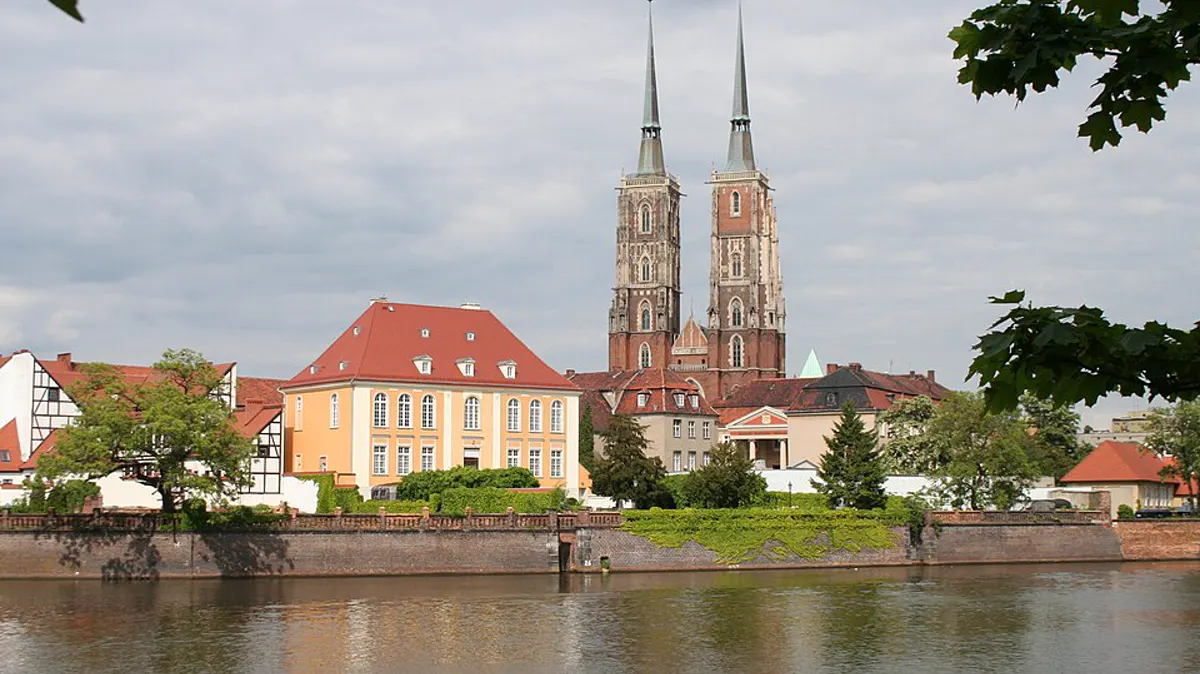
Cathedral Island, Wroclaw
The oldest part of Wroclaw, a cluster of churches on an island in the Oder reached across a romantic iron bridge.
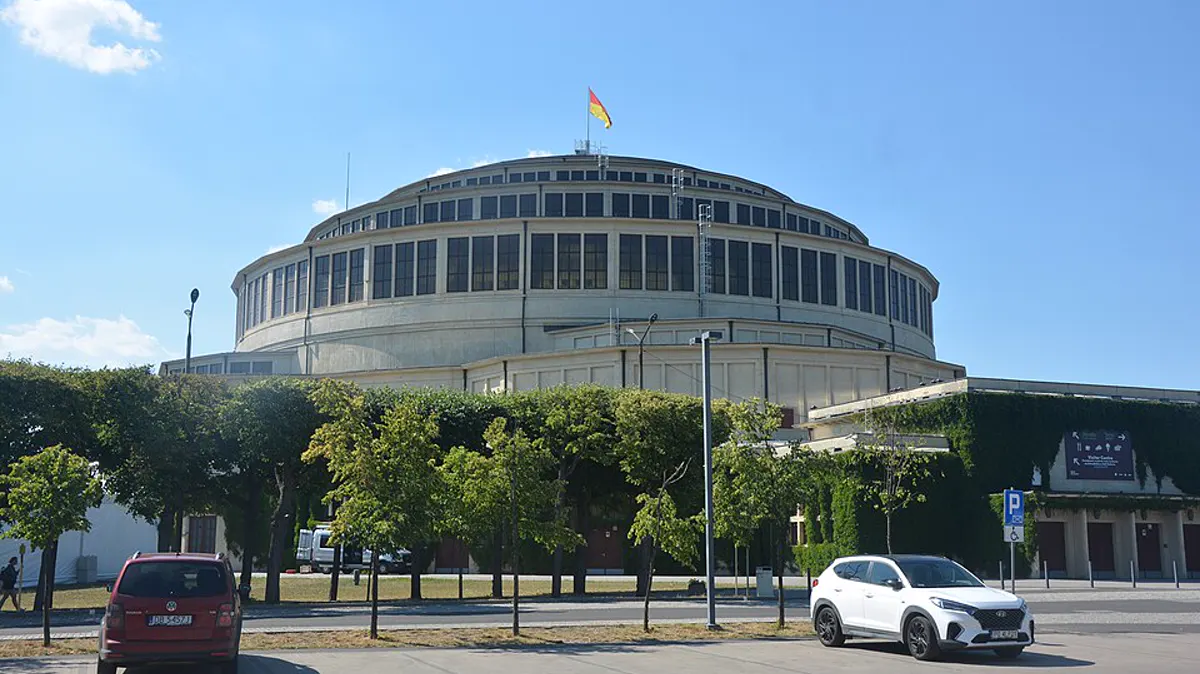
Centennial Hall
A pioneering reinforced-concrete dome from 1913, listed by UNESCO, set in a park with a large multimedia fountain.
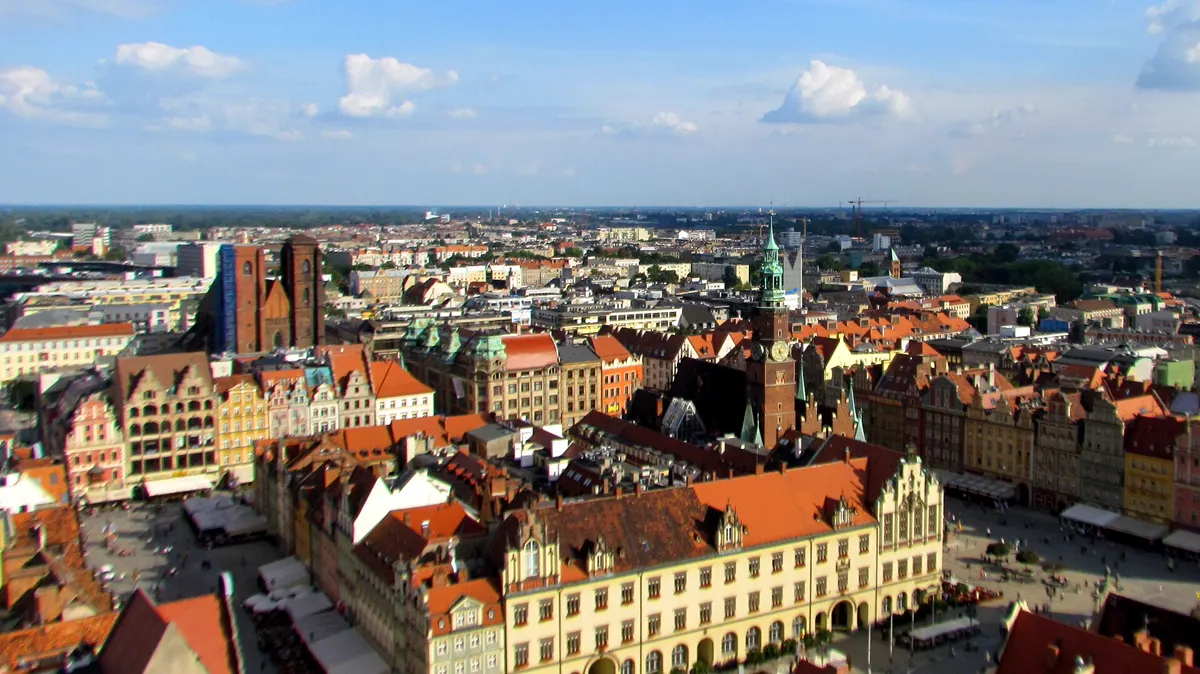
Market Square
One of the largest medieval squares in Poland, ringed by colourful townhouses and centred on an ornate Gothic town hall.
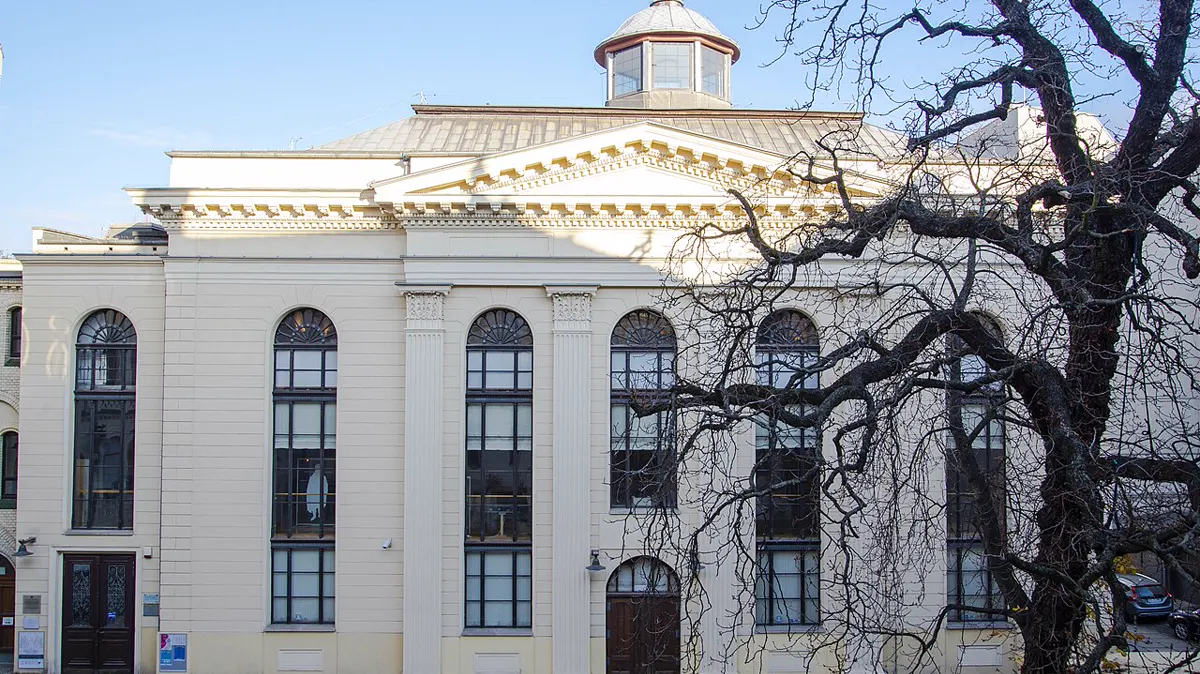
White Stork Synagogue
A restored Neoclassical synagogue in Wrocław, now an active house of worship and cultural centre that anchors the city's revived Jewish quarter.
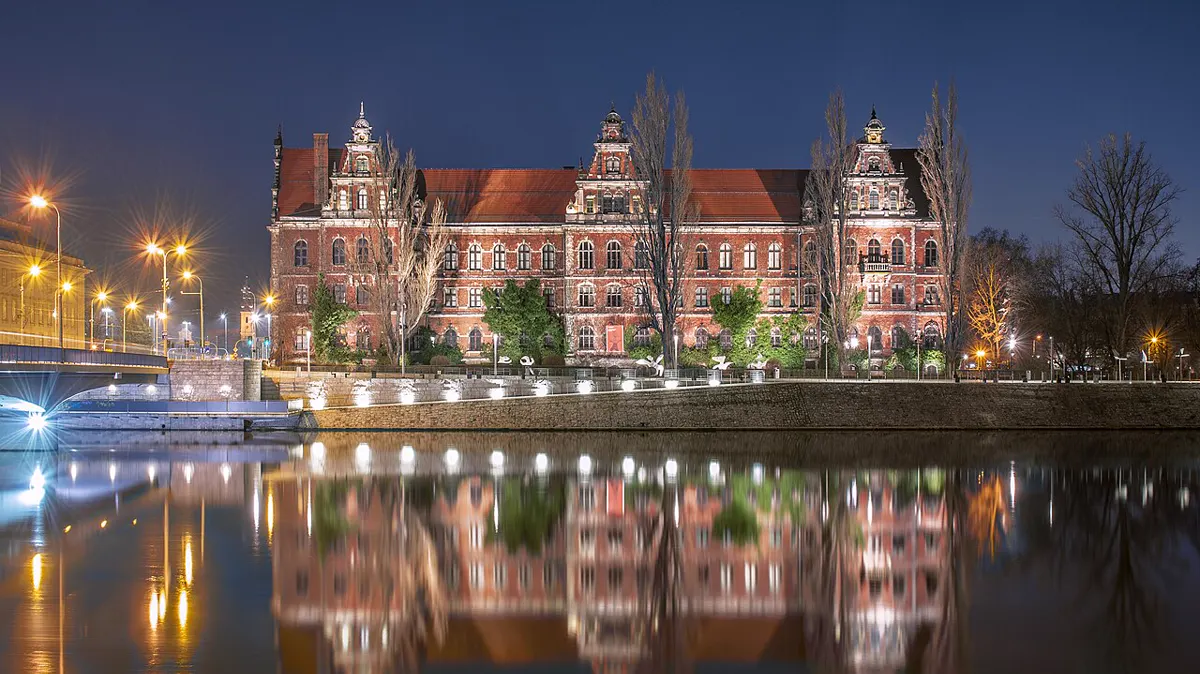
National Museum in Wrocław
One of Poland's principal art museums, set in a monumental 1880s brick building near the Oder, with collections ranging from medieval Silesian art to Polish painting of the 17th to 20th centuries.
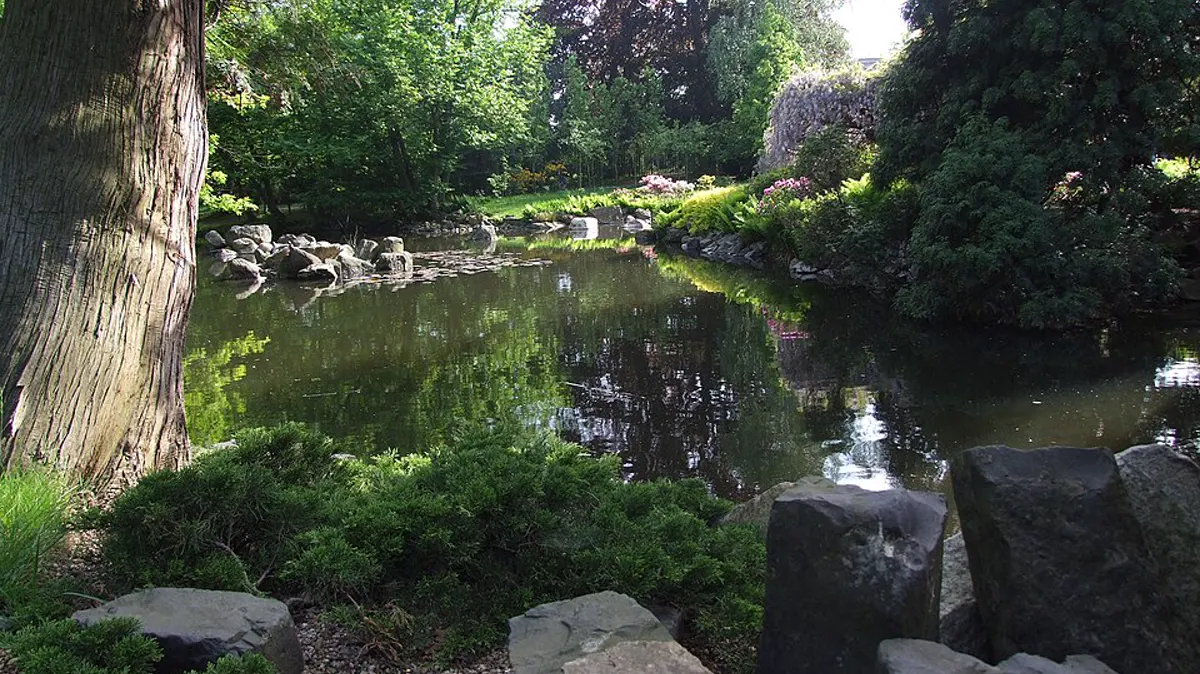
Ogrod Japonski
A tranquil Japanese garden created for the 1913 World Exposition beside Szczytnicki Park, with ponds, bridges and a small waterfall. It was faithfully restored in the 1990s with help from Japanese specialists.
More to explore in Wrocław

Restaurant
Jadka
An elegant fine-dining room under gothic vaults just off the Rynek, a special-occasion staple.
Hotel
Hotel Monopol
A grand Art Nouveau hotel by the opera with a rooftop terrace over the old town and a spa pool.
Restaurant
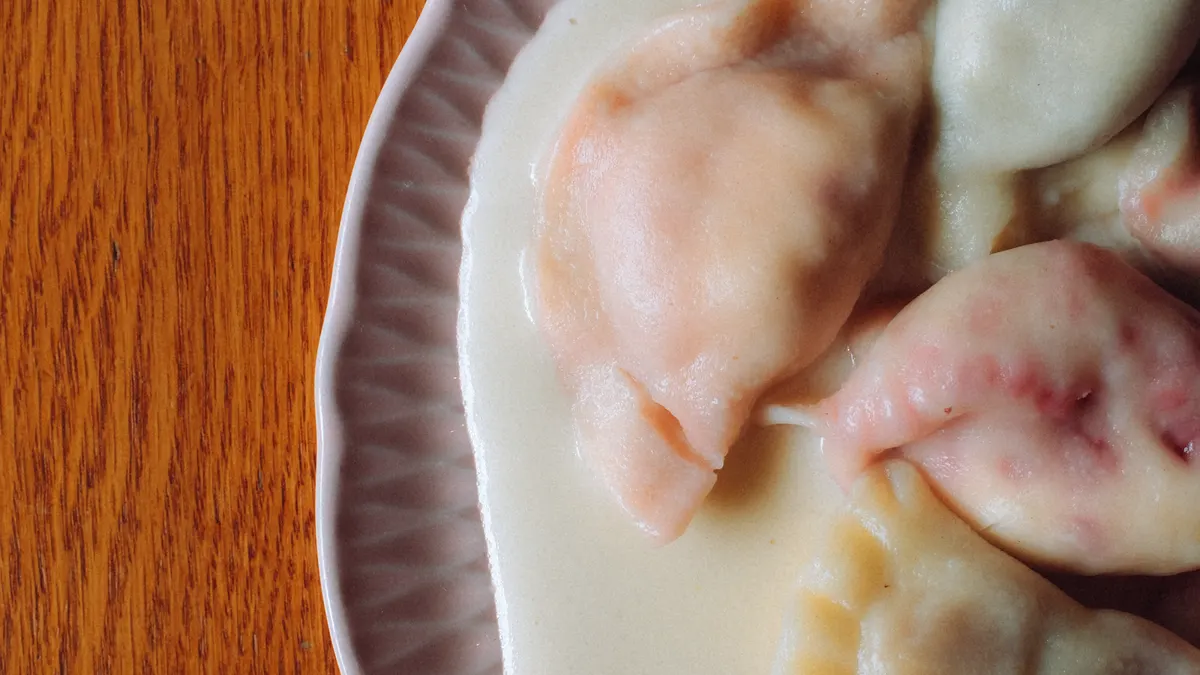
Konspira
A themed restaurant on Solny Square recalling the Solidarity underground, with solid Polish home cooking.

Restaurant
Kurna Chata
A rustic timber room near the Market Square doing filling regional dishes.
Hotel
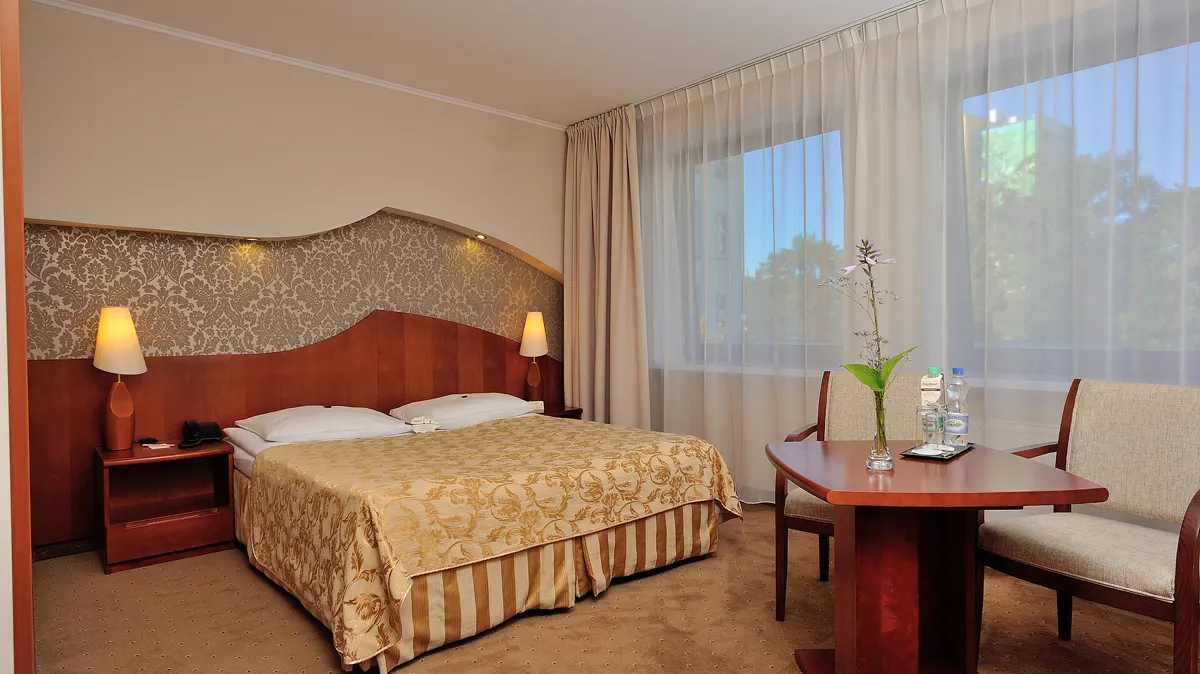
The Bridge Wroclaw MGallery
A design-led five-star hotel on Ostrow Tumski overlooking the Oder and the cathedral, with a spa and river-view rooms. One of the most atmospheric high-end bases in the city.
Hotel
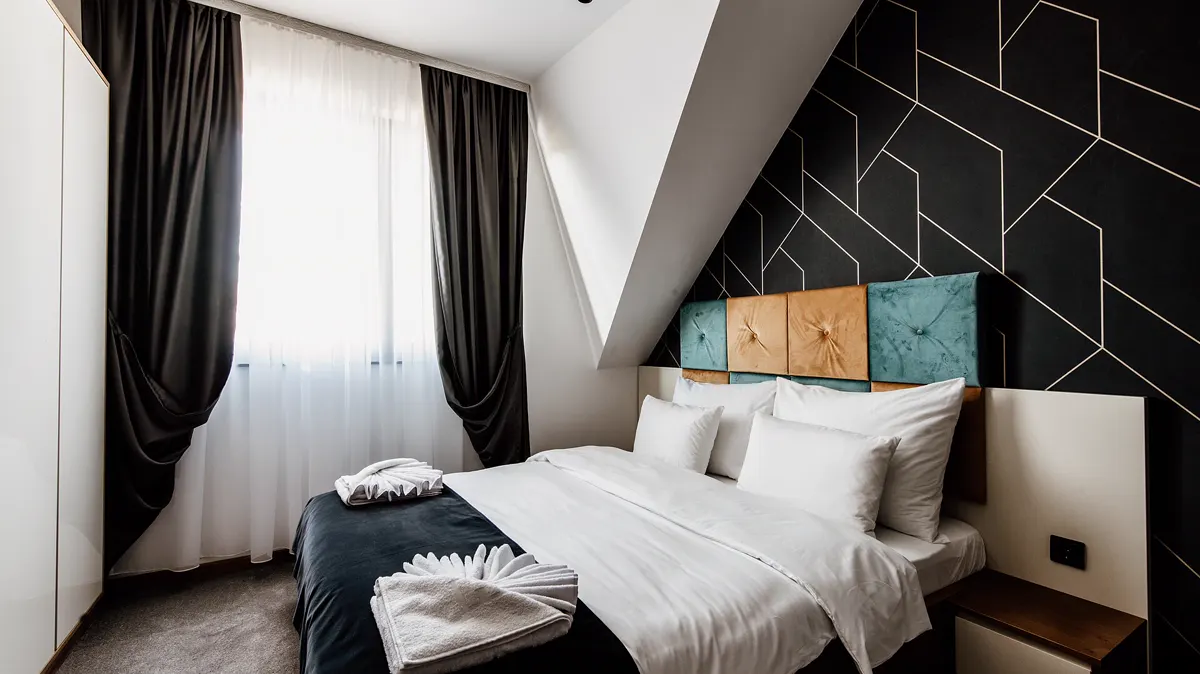
Hotel Europeum
A comfortable mid-range hotel a couple of minutes from the Rynek, with straightforward modern rooms and good breakfast. Strong value for its central position.