Nature in Kraków
Wolski Forest & Kosciuszko Mound
The city's big western woodland, with trails, the zoo and a viewpoint mound over the whole valley.
Reviewed and updated July 2026
Las Wolski, the Wolski Forest, is Krakow's largest wooded park, covering about 422 hectares on the hills west of the city between Wola Justowska and Bielany. It is laced with walking trails, a cycle path and a bridleway, and it holds several destinations in one: the city zoo, the interwar Pilsudski Mound with its wide views, the Camaldolese monastery on Silver Mountain, and Przegorzaly Castle above the river. It is the go-to for locals who want woods and long views without leaving the city.
Why visit Wolski Forest
This is the biggest piece of green in Krakow and the easiest way to swap the Old Town for real forest. You can walk for hours on shaded trails, take children to the zoo, or climb to the Pilsudski Mound for a view over the valley. The mix of woodland, viewpoints and a handful of landmarks means it suits families, runners and hikers alike, and much of it is free.
Trails, the zoo and the mound
The forest gathers several attractions in one wooded area:
- Pilsudski Mound, raised on the top of Sowiniec hill between 1934 and 1937 to honour the fight for independence. It is the tallest of Krakow's mounds at about 35 metres, and it holds soil brought from First World War battlefields where Poles fought. The summit gives a broad view over the city and the valley.
- Krakow Zoo, set in a clearing in the middle of the forest, a long-running family destination.
- The Camaldolese Monastery on Silver Mountain (Srebrna Gora), a hermit order whose church has restricted access.
- Przegorzaly Castle, a hillside building above the Vistula on the forest's southern edge.
Eight marked walking trails run to about 35 kilometres in total, so you can pick a short loop or link several into a full day.
How long you need
A short walk to the Pilsudski Mound and back takes an hour or two. A visit to the zoo needs a half day on its own. If you want to combine woodland trails, a viewpoint and the zoo, plan on a full day and bring food and water, as facilities inside the forest are limited.
Best time for the trails
The forest is good in every season: fresh and green in spring and summer, coloured in autumn, and open for walks in winter, when some trails suit cross-country skiing. Weekdays are quietest; weekends bring families toward the zoo and the mound. The forest is open year-round, but the zoo, the mound and the monastery keep their own hours, so check those before a special trip.
Getting to Las Wolski
Las Wolski is in the west of the city. City buses run toward the zoo and the forest edges from the centre, and it is a straightforward drive or cycle. From the Old Town it is well worth checking the bus routes rather than walking the whole way. For public transport across Krakow, see the Krakow guide.
Accessibility on the trails
This is hilly natural woodland, so many trails are steep, unpaved and uneven. The zoo has more managed, level areas. The Pilsudski Mound is reached on forest paths that climb, and the summit is stepped. If you have access needs, plan a route around the surfaced parts and check the zoo's own information.
Around the forest
The forest connects to the city's other western green spaces:
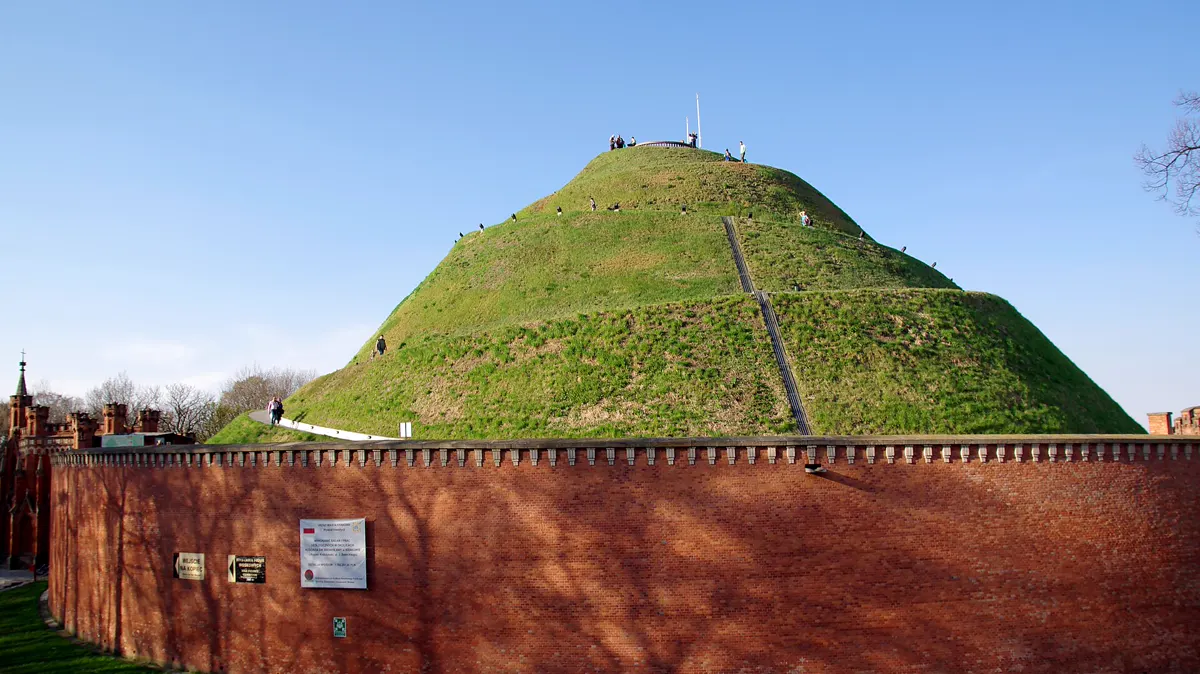
- Kopiec Kosciuszki, an older viewpoint mound with a fort on the hills at the eastern edge of the forest.
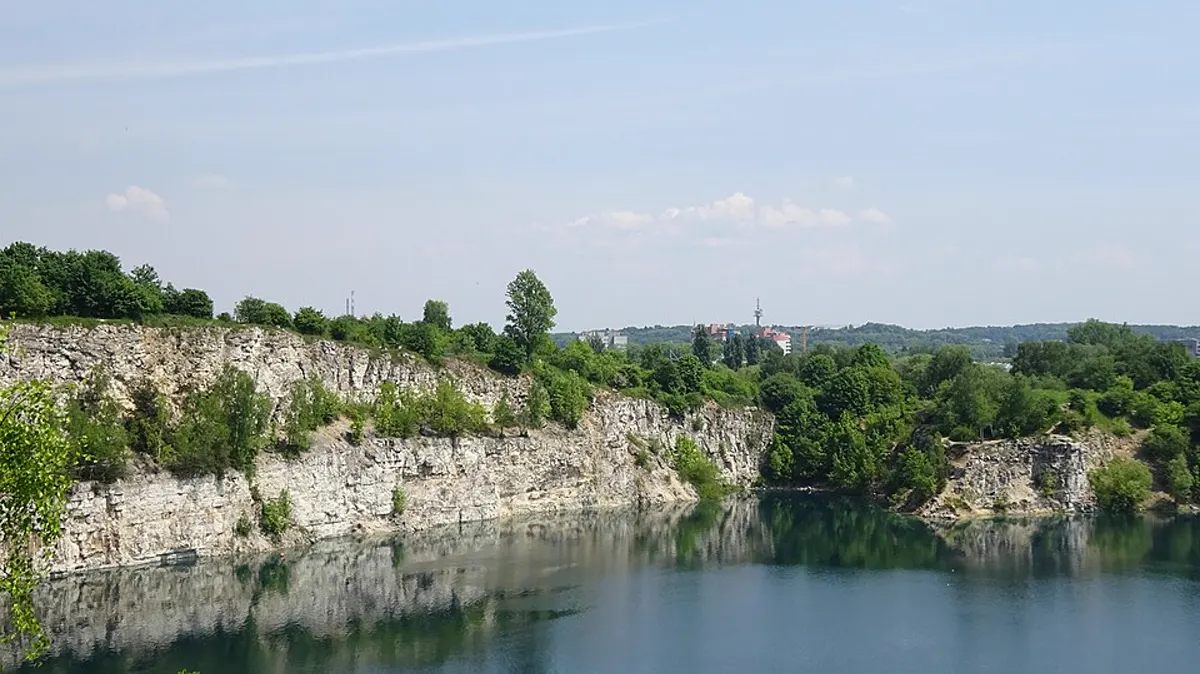
- Zakrzowek, the flooded quarry and swimming park, to the south.
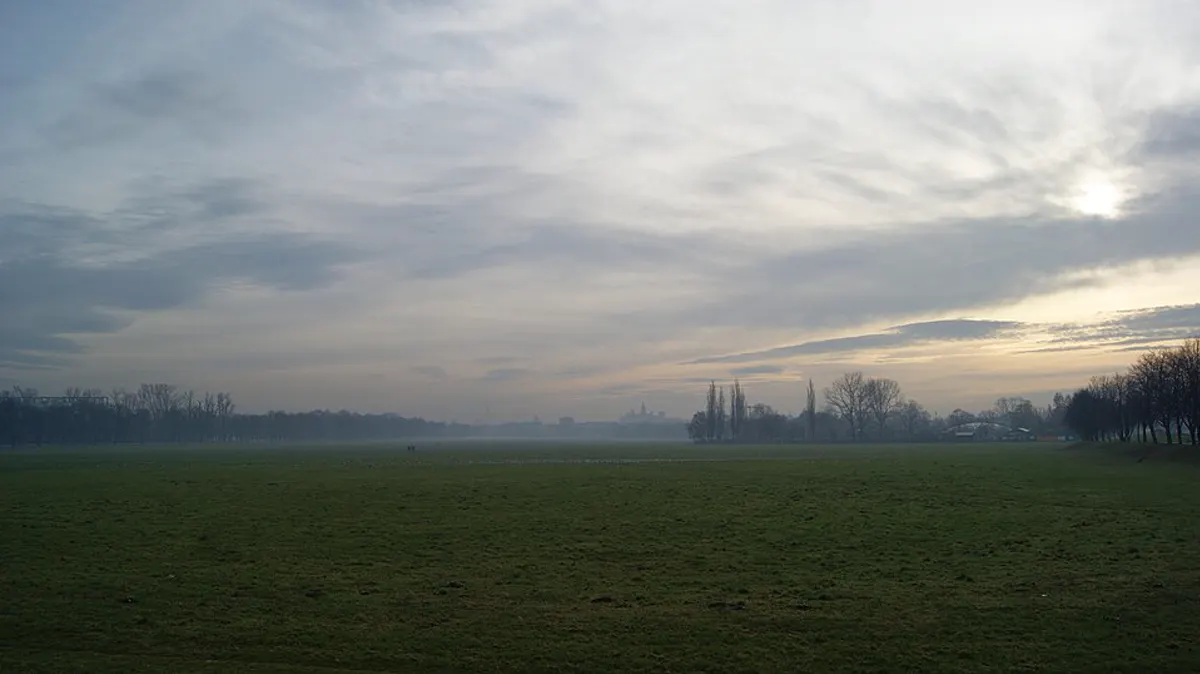
- Blonia, the large central meadow, back toward the Old Town.
Good to know
Entry to the forest is free and open year-round, but the zoo, Pilsudski Mound and monastery each keep their own hours and some charge admission. Trails are natural and hilly, so wear proper shoes and carry water, as facilities inside are limited.
Wolski Forest questions
Which mound is in the forest?
The Pilsudski Mound stands on Sowiniec hill inside Las Wolski. Built between 1934 and 1937, it is the tallest of Krakow's mounds and gives a wide view over the city. The older Kosciuszko Mound sits separately on the hills at the forest's eastern edge.
Is the zoo inside Las Wolski?
Yes. Krakow Zoo sits in a clearing in the middle of the forest and is one of its main family destinations. It keeps its own opening hours and charges admission.
How long are the trails?
There are eight marked walking trails totalling around 35 kilometres, plus a cycle path and a bridleway. You can walk a short loop or link several trails into a full day in the woods.
Frequently asked questions
More natures in Kraków
Featured in
More to explore in Kraków
Castle
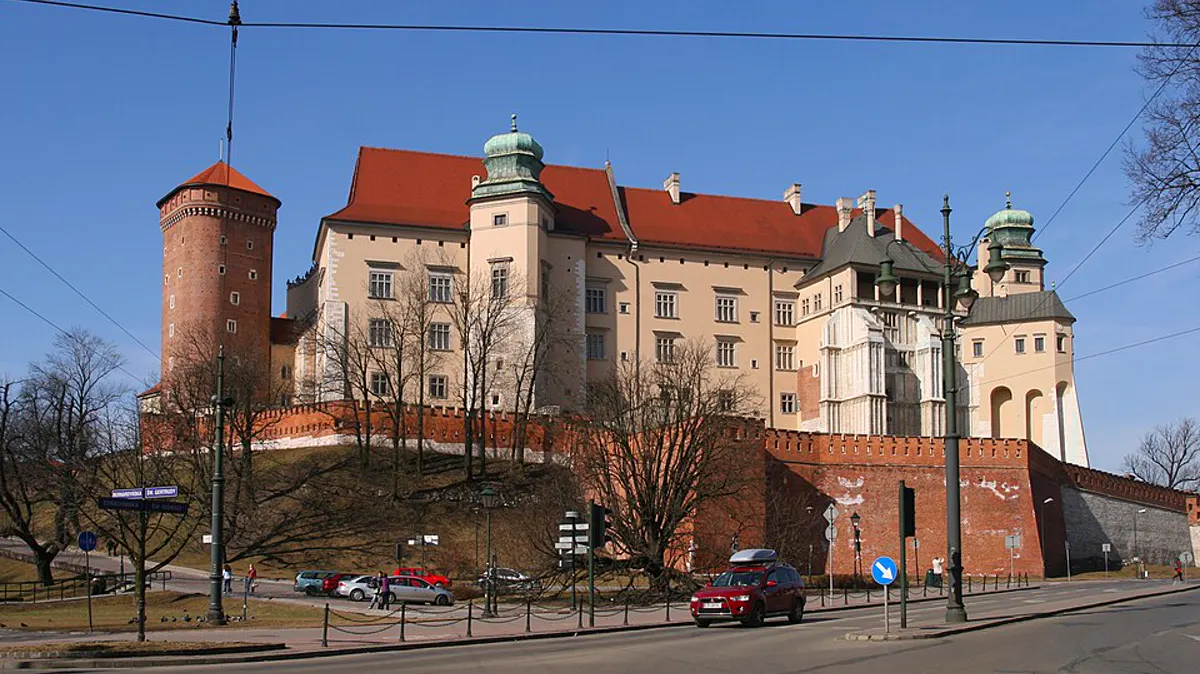
Wawel Castle
The royal castle and cathedral on the hill above the Vistula, the symbolic heart of the Polish nation for a thousand years.
Attraction
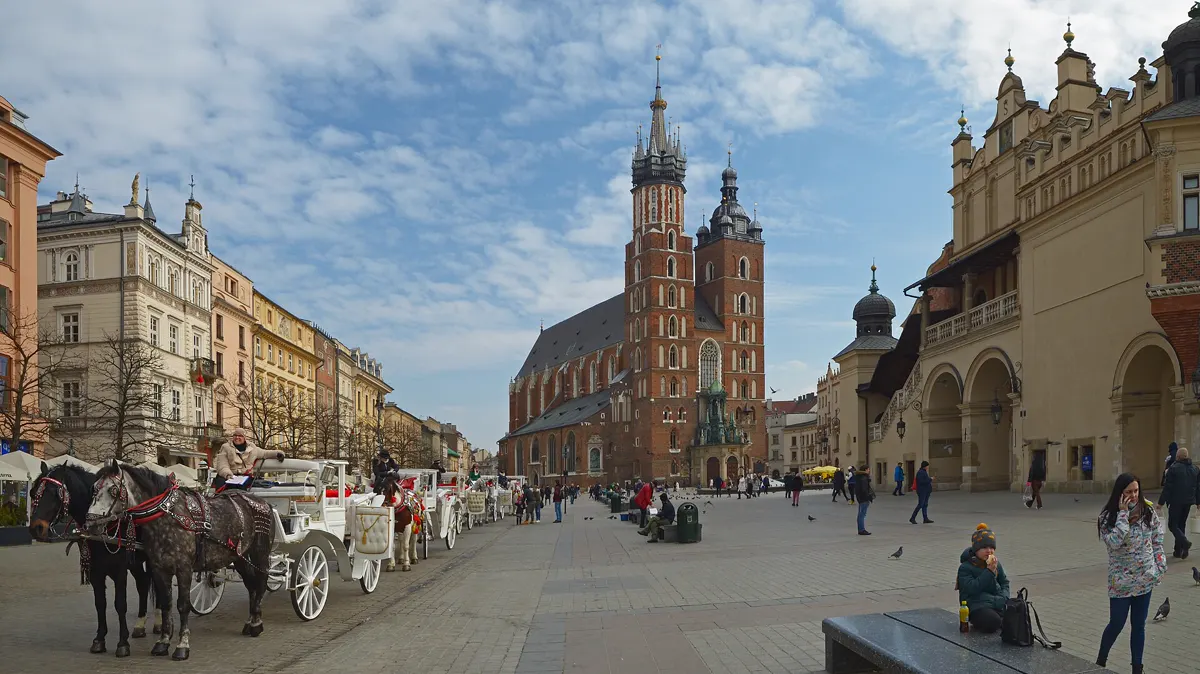
Main Market Square
Europe's largest medieval market square, the social centre of Krakow, with the Cloth Hall running down its middle.
Attraction
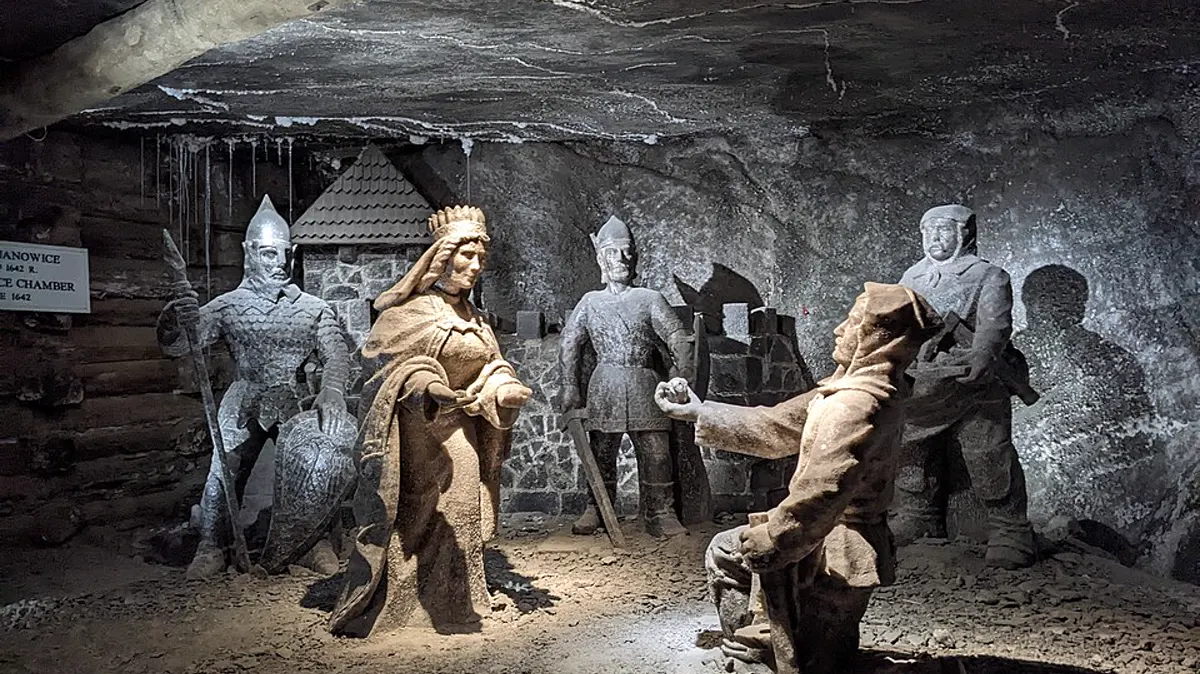
Wieliczka Salt Mine
A UNESCO-listed salt mine worked for seven centuries, with underground chapels, lakes and chambers carved entirely from rock salt.

Restaurant
Bottiglieria 1881
Krakow's Michelin-starred tasting-menu room, a modern Polish kitchen paired with a deep wine cellar.

Restaurant
Wodka Café Bar
A tiny room with dozens of infused and flavoured vodkas lined up behind the bar.
Attraction
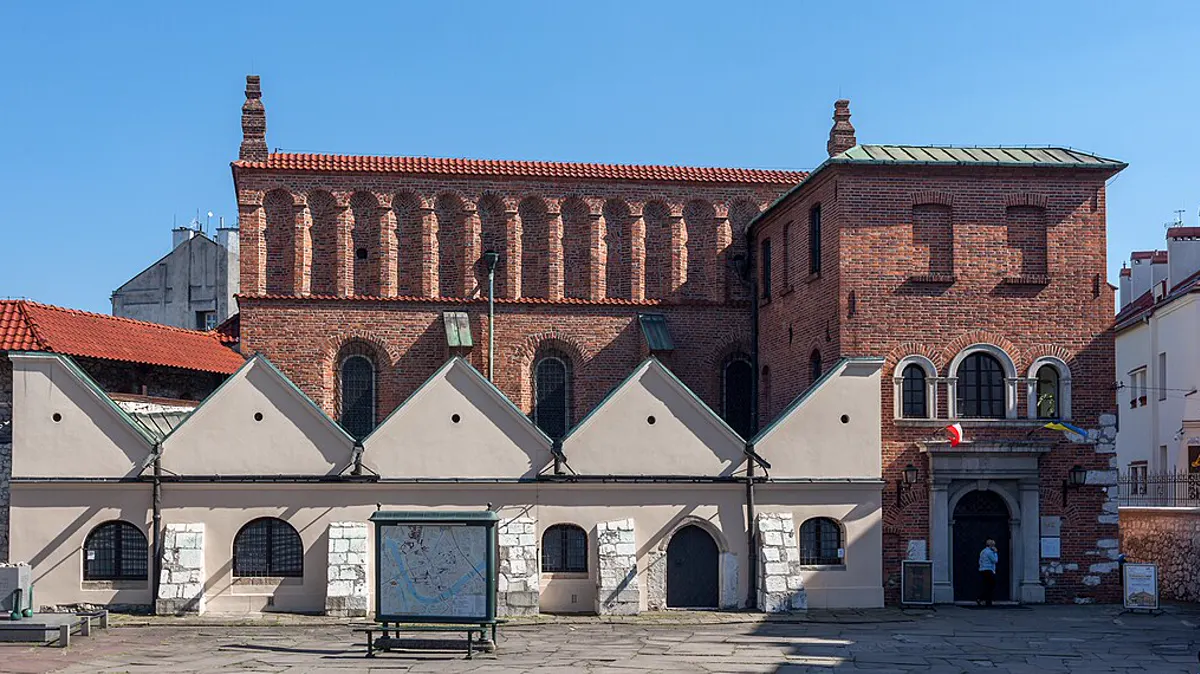
Old Synagogue (Stara Synagoga)
The Old Synagogue at 24 Szeroka Street is the oldest surviving synagogue building in Poland and now a branch of the Museum of Kraków telling the story of the city's Jews.