Attraction in Lublin
Kaplica Trojcy Swietej
Inside the castle, the Holy Trinity Chapel is covered floor to ceiling with rare Ruthenian-Byzantine frescoes from 1418: Eastern painting under a Western Gothic vault.
Reviewed and updated July 2026
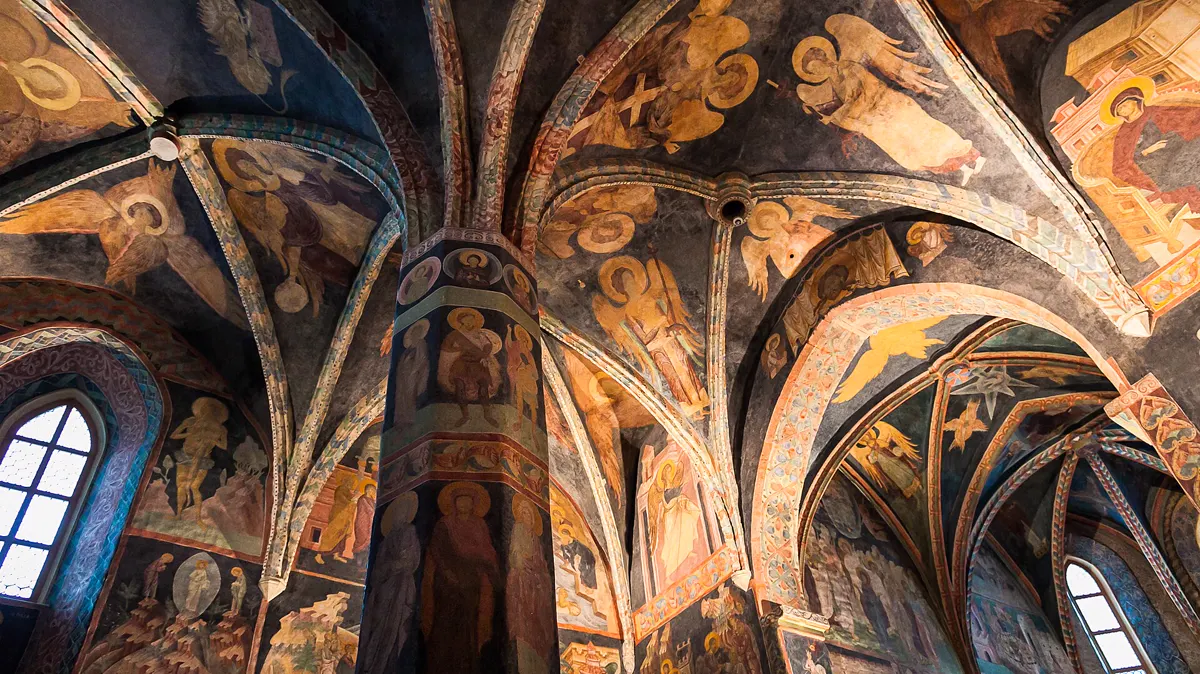
The Holy Trinity Chapel sits inside Lublin Castle and is the finest thing on the castle hill. From floor to vault it is covered in Ruthenian-Byzantine frescoes, an Eastern style of painting set under a Western Gothic ceiling. The paintings were finished in 1418, a date recorded in Cyrillic on a panel in the chapel, and they were made by a workshop of Orthodox painters under a master named Andrey.
Why visit the Holy Trinity Chapel
There is little else like it. Eastern Orthodox wall painting inside a Roman Catholic Gothic chapel is rare anywhere, and this is one of the most complete surviving examples. The combination was a direct choice by the founder, King Wladyslaw Jagiello, who came from Lithuania and favoured Ruthenian painters. The result is a single small room where two artistic worlds meet on the same walls.
The frescoes to see
The frescoes cover the walls, the columns and the vault. They show scenes from the life of Christ and the Virgin, ranks of angels and prophets, and two portraits of the king who paid for them. The painting programme follows the Eastern manner, while the ribbed vault and pointed arches around it are Gothic. Take time to look up, as the ceiling carries some of the strongest figures.
History of the chapel
The chapel served as a royal chapel and was rebuilt in Gothic form in the early 15th century. The frescoes were completed in 1418. Over later centuries the paintings were plastered over and largely forgotten, then brought to light again in the 19th century. A long conservation programme uncovered and stabilised them, with the main work completed in the 1990s. The chapel is now shown as part of the castle museum.
How long to spend
Twenty to thirty minutes is enough to take in the chapel, longer if you like religious art. Many visitors combine it with the rest of the castle and the climb up the round tower, which together make a half-day.
Getting to the chapel
The chapel is inside Lublin Castle on the hill above the Old Town, reached on foot from the market square. Entry is through the castle museum, so a museum ticket usually covers it. Check the museum's channels for hours, as the chapel can close for conservation. For the wider area, see the Lublin guide.
Nearby at Lublin Castle
The chapel sits within a cluster of the city's main sights:
- Lublin Castle, whose museum surrounds the chapel.
- The Old Town, just below the castle hill.
- The Grodzka Gate, on the slope between the castle and the Old Town.
Good to know
Photography rules and lighting are set to protect the paintings, and the chapel can shut for conservation. Confirm access with the castle museum before your visit.
Common questions
How old are the frescoes?
They were completed in 1418, a date recorded in Cyrillic inside the chapel. They were commissioned by King Wladyslaw Jagiello and painted by an Orthodox workshop.
Why is the style Eastern?
The king favoured Ruthenian-Byzantine painters, so the walls follow the Eastern Orthodox tradition even though the chapel itself is a Western Gothic building. That mix is what makes the chapel unusual.
Frequently asked questions
More attractions in Lublin
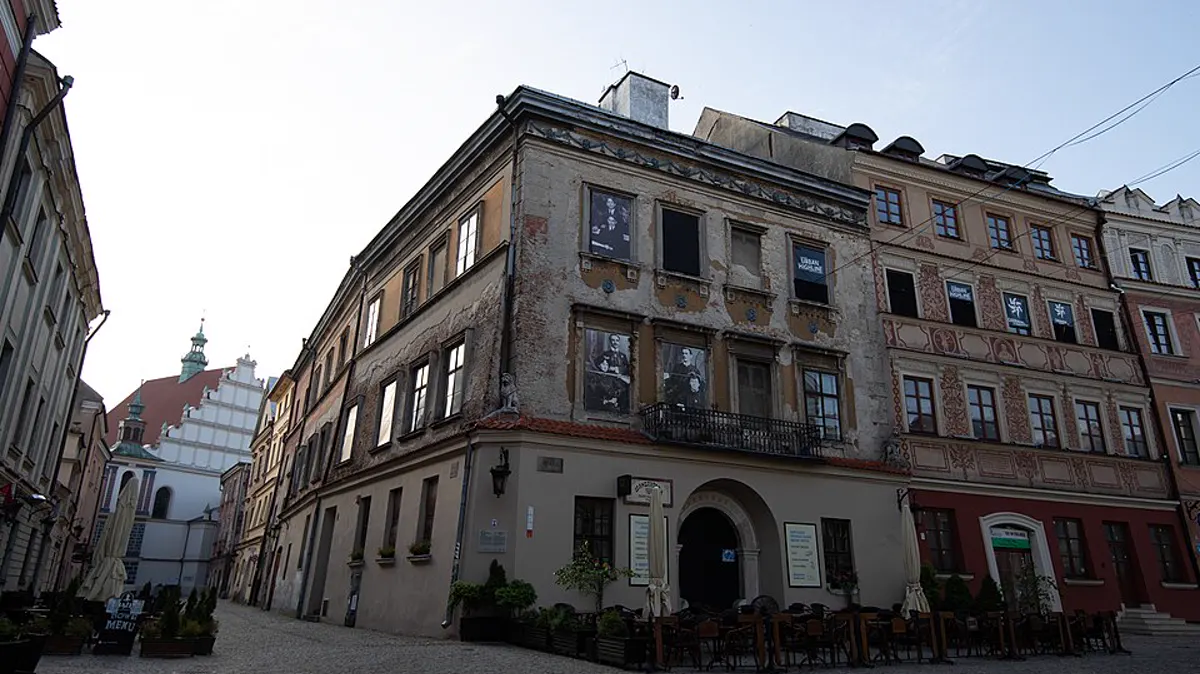
Stare Miasto (Lublin)
Lublin's medieval Old Town winds through narrow lanes and hidden courtyards, with painted Renaissance facades and Rynek square framing the old Trybunal (Crown Tribunal) at its centre.
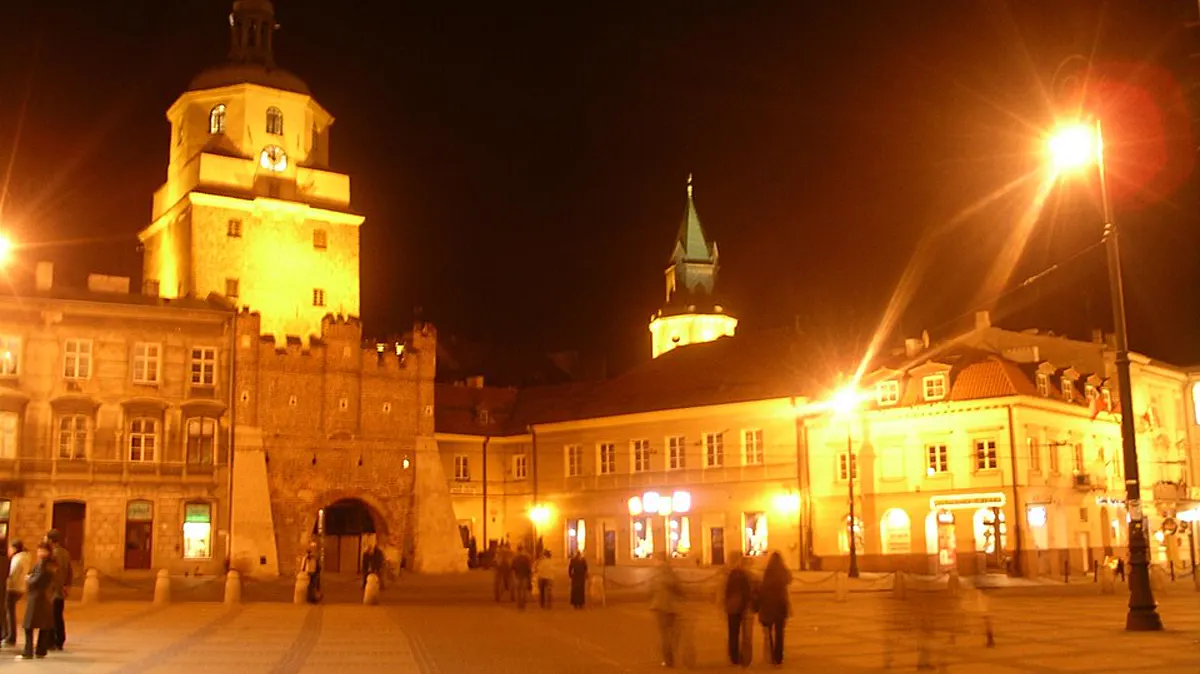
Brama Krakowska
The 14th-century Krakow Gate is Lublin's best-known landmark, a brick tower that guarded the road to Krakow and now houses a small history museum.
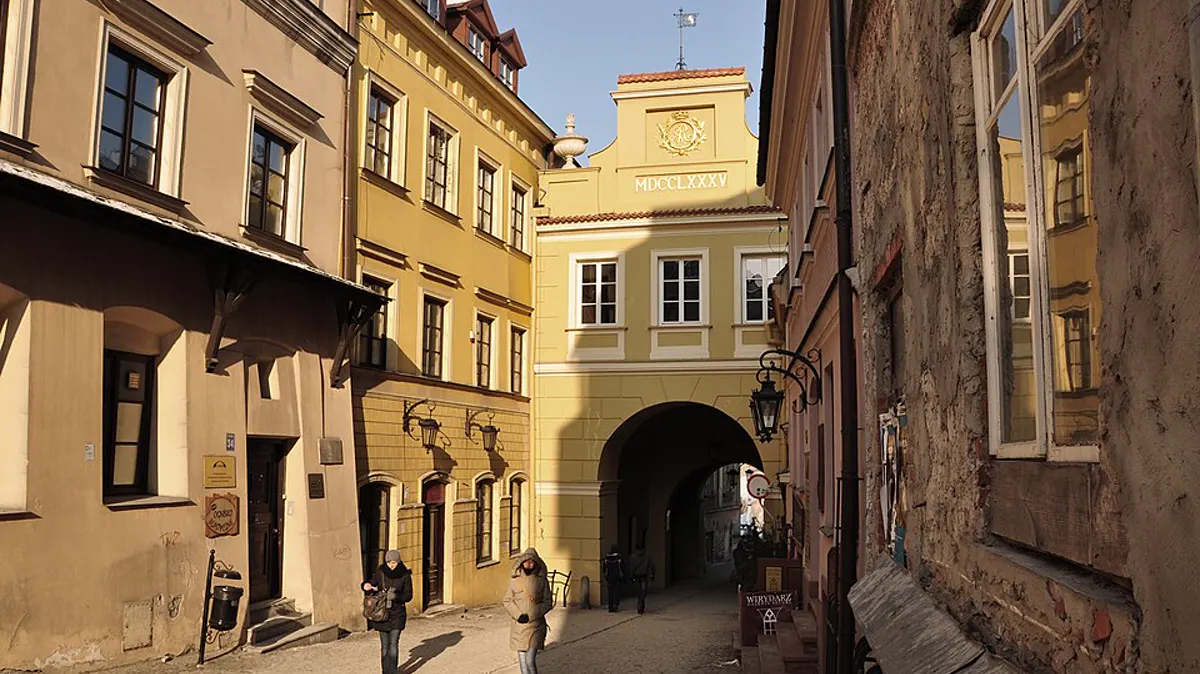
Brama Grodzka
Also called the Jewish Gate, the Grodzka Gate once linked the Christian and Jewish quarters and today hosts the Grodzka Gate - NN Theatre centre commemorating Lublin's lost Jewish community.
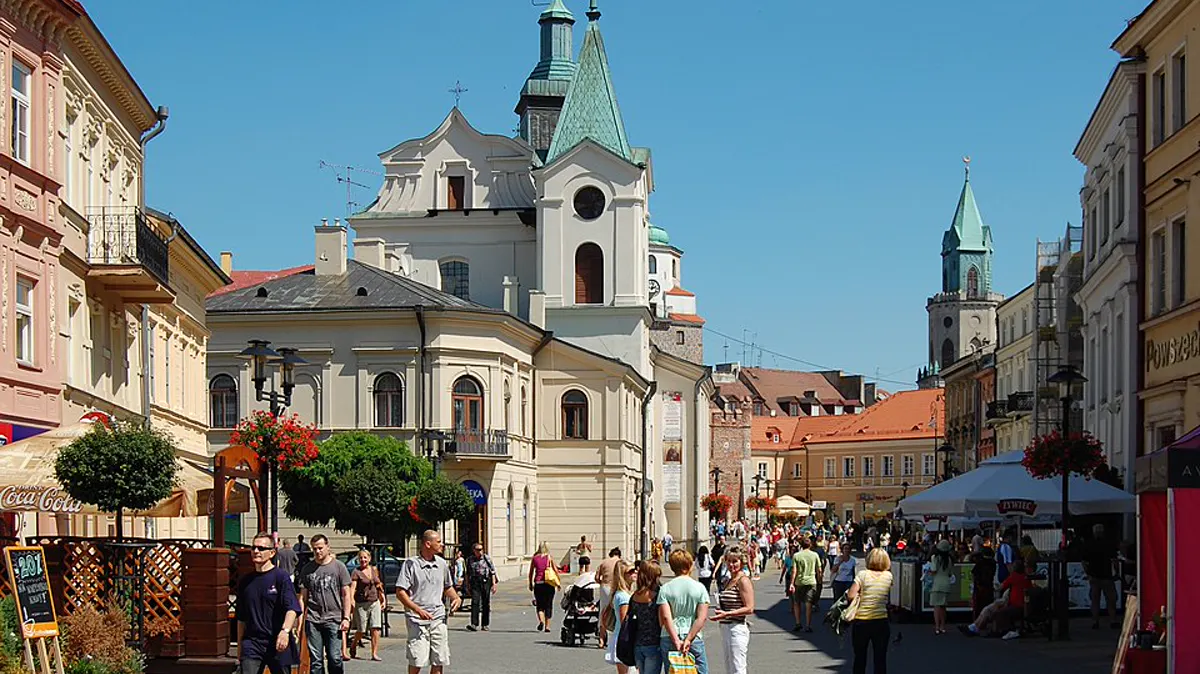
Krakowskie Przedmiescie (Lublin)
Lublin's main pedestrian promenade runs from the Krakow Gate past cafes, townhouses and the New Town Hall, forming the lively spine of the city centre.
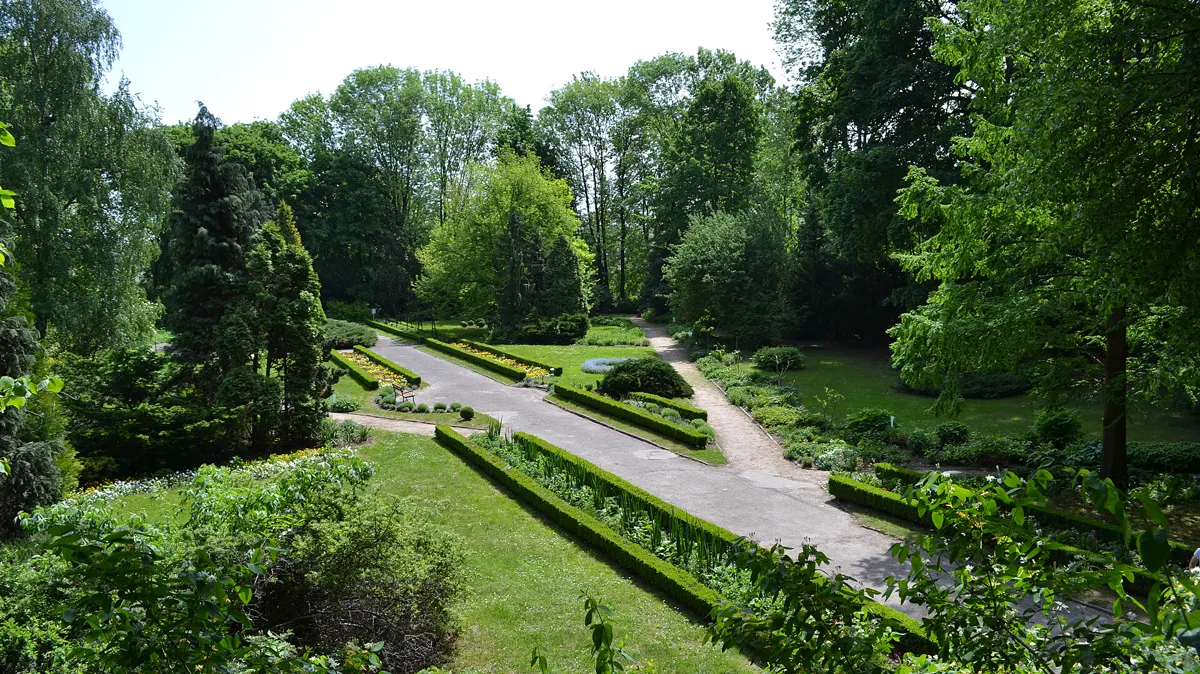
UMCS Botanical Garden
A 21-hectare university botanical garden in Lublin's Slawinek valley, holding around 6,700 plant taxa across themed collections and glasshouses, open from April to the end of October.
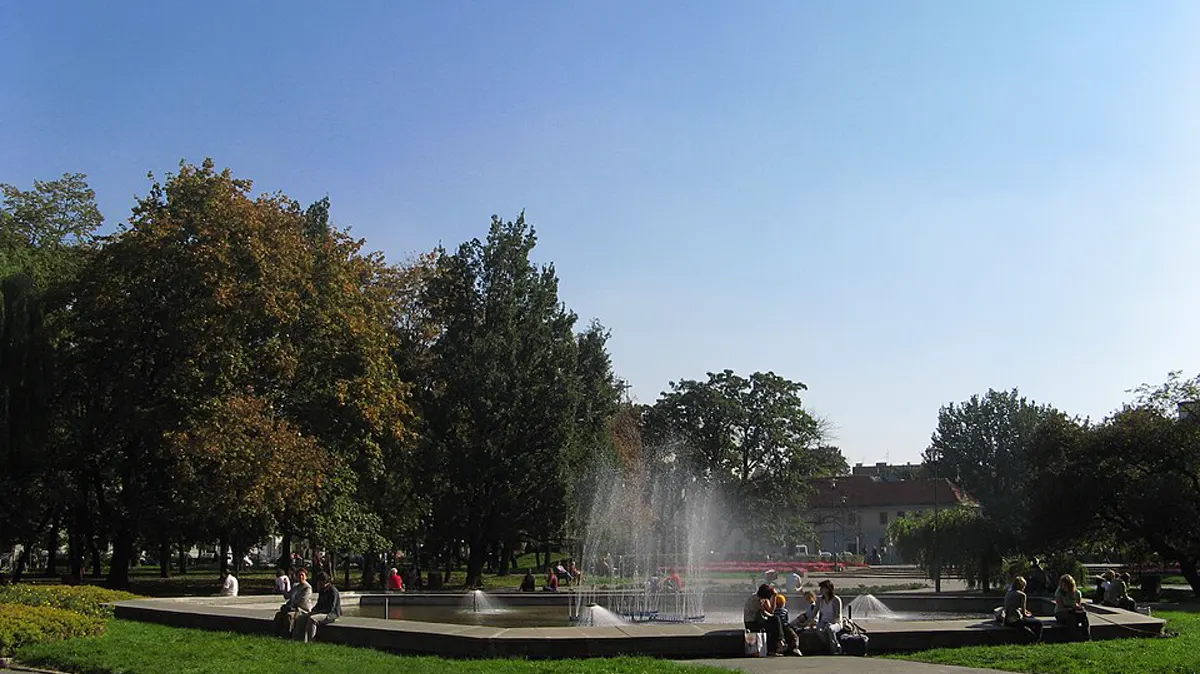
Plac Litewski
The Lithuanian Square marks the 1569 Union of Lublin between Poland and Lithuania, a renovated public space with fountains, monuments and the Saski Palace nearby.
More to explore in Lublin

Restaurant
Mandragora
A candlelit restaurant on the Old Town market recreating Lublin's pre-war Jewish and Polish cooking.
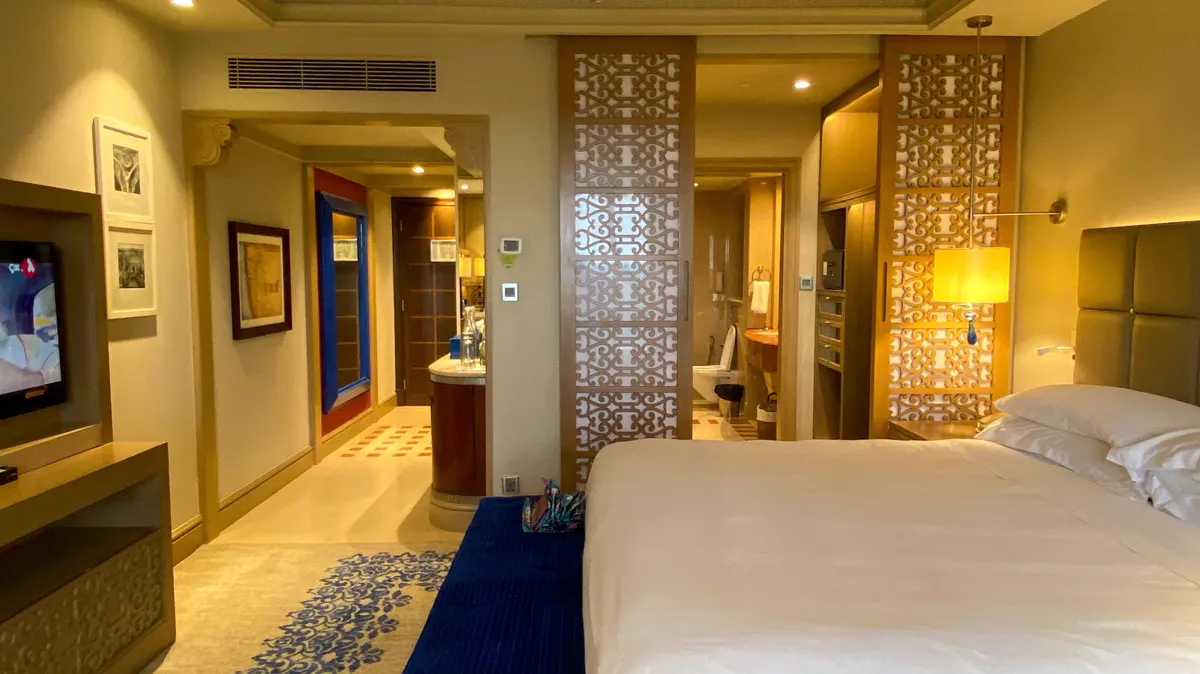
Hotel
Grand Hotel Lublinianka
A restored early-20th-century hotel on the main promenade with a spa in its cellars.
Castle
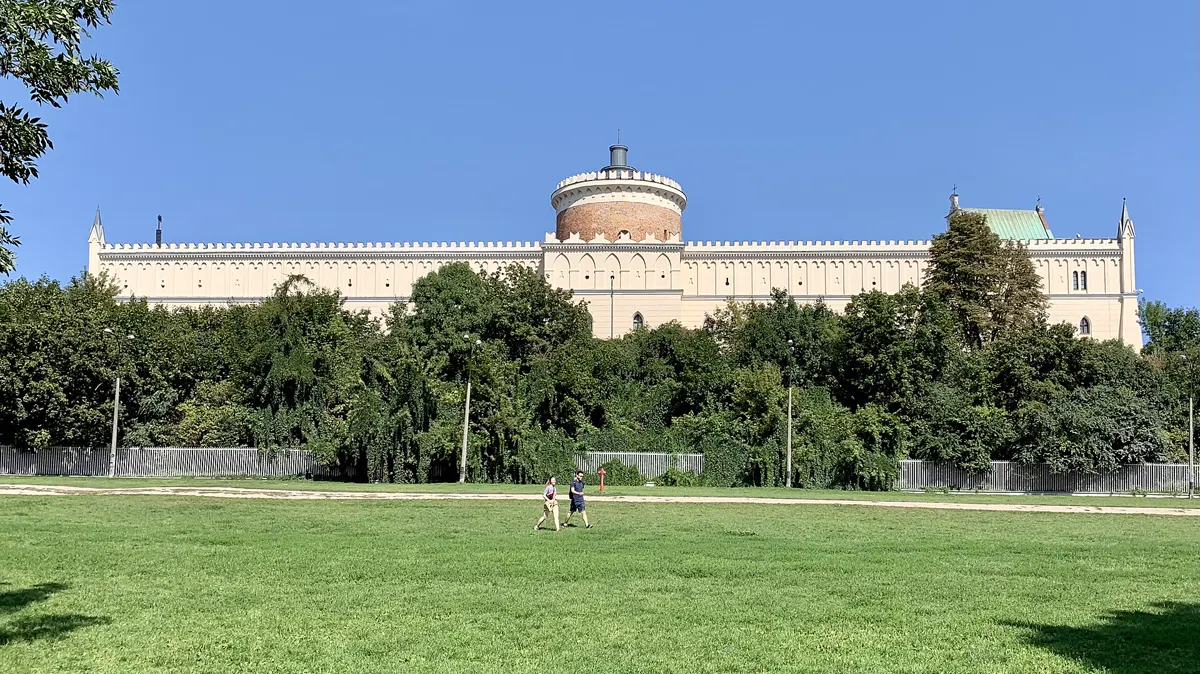
Lublin Castle
A hilltop castle whose Gothic chapel holds a rare cycle of Byzantine-style frescoes from 1418, the finest sight in the city.
Restaurant
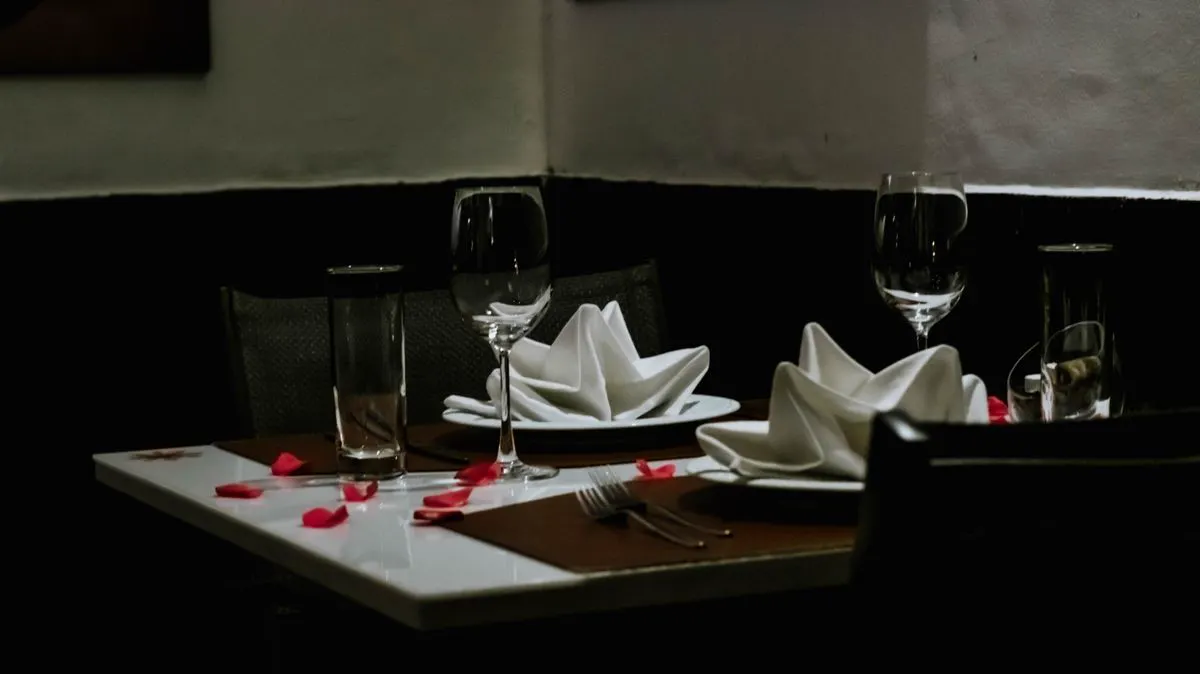
Hades Szeroka
A friendly, good-value spot for Polish plates near the castle.
Hotel
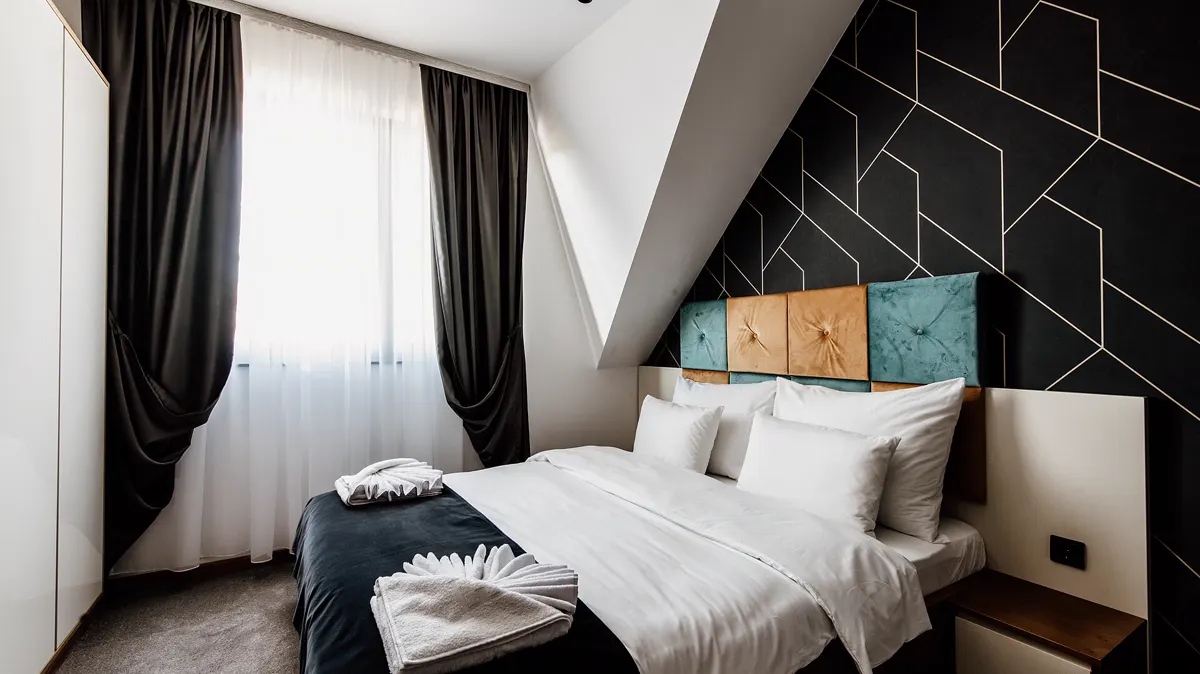
Focus Hotel Lublin
A straightforward modern chain hotel with parking, useful for drivers and those on a budget who do not need the Old Town on their doorstep. Clean, quiet rooms at a fair rate.
Nature
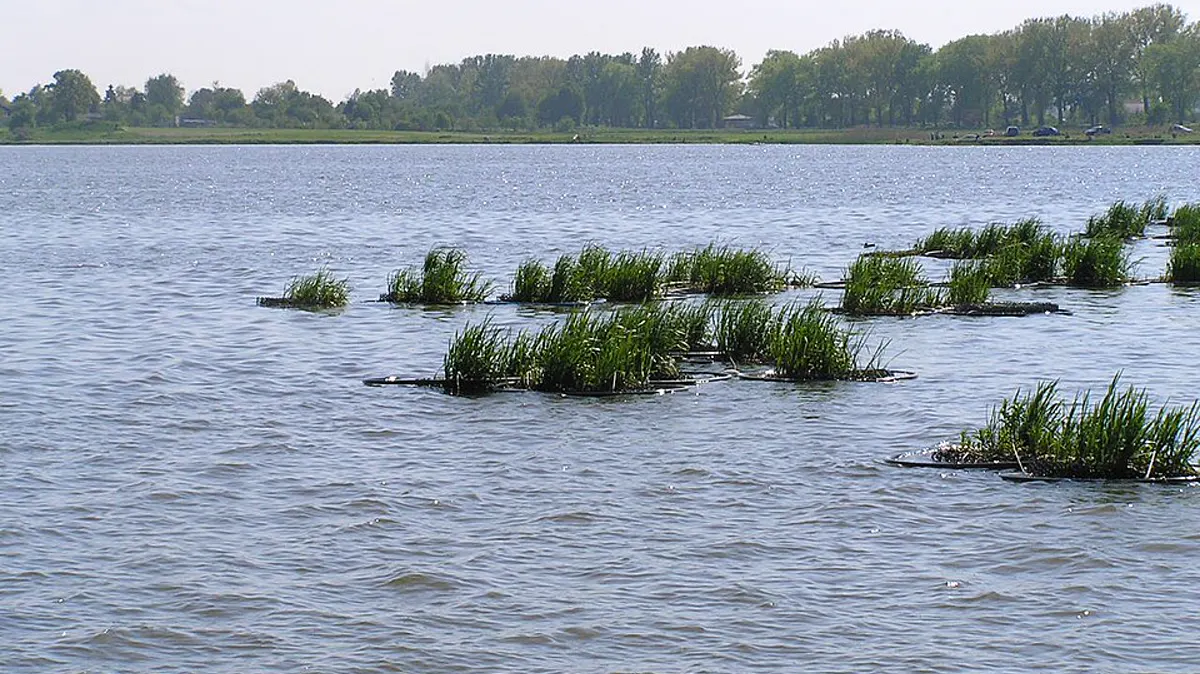
Zemborzycki Lake
A big reservoir on the city's southern edge for beaches, walks and watersports in summer.