Thematic
Polish Vodka: Types, Brands and How to Drink It
Polish vodka comes in two families, clear czysta and flavoured smakowa, and it is drunk cold, neat and with food rather than mixed. Here is what the labels mean, which names matter and how to order without looking lost.
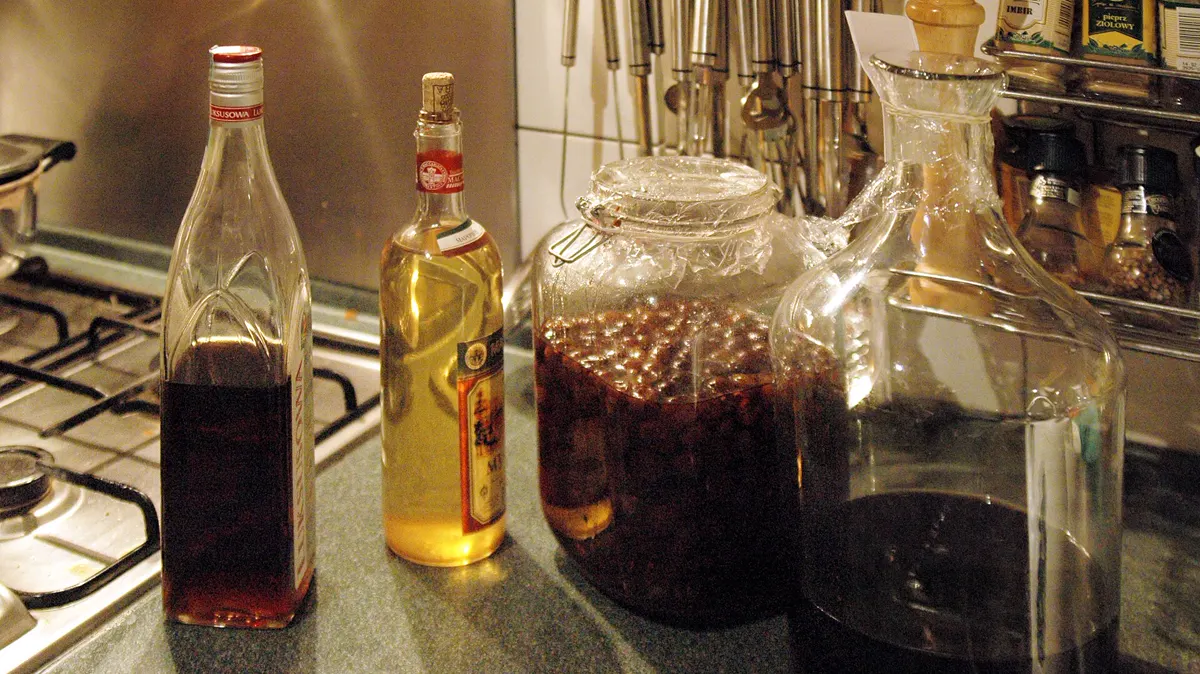
Polish vodka divides into two families. Czysta is clear and unflavoured, served cold and drunk neat. Smakowa is flavoured with fruit, herbs, honey or bison grass, and is usually softer and sweeter. Most of it starts from rye, wheat or potatoes grown in Poland, and almost none of it is meant to be mixed with cola. Learn those two words and the habit of eating while you drink, and you can order with confidence. This guide sits alongside our wider guide to Polish food.
What Polish vodka is made from
Rye is the classic base, with wheat and potatoes close behind. Rye is slightly peppery and bready, wheat cleaner and lighter, potato rounder and almost creamy, which shows most when the bottle is very cold.
The name Polska Wodka, or Polish Vodka, is a protected geographical indication. It can only be used for vodka distilled from rye, wheat, barley, oats, triticale or potatoes cultivated in Poland, with the production process carried out in Poland. Anything else made here is simply vodka. Under EU rules a spirit sold as vodka must be at least 37.5 per cent alcohol, and most Polish clear bottles sit at 40 per cent.
The names on the shelf
Wyborowa is the long established clear rye vodka from Poznan, a brand dating back to the nineteenth century. Luksusowa is the best known potato bottle. Belvedere is a rye vodka made at the Polmos distillery in Zyrardow, and Chopin, distilled near Krzesk in eastern Poland, bottles separate potato, rye and wheat editions, a useful way to taste what the raw material does.
On the flavoured side, Soplica covers a range of fruit and nut infusions, Zoladkowa Gorzka is herbal and bitter-sweet, and krupnik is a honey and spice spirit that turns up warm in winter. Starka is the odd one out: a rye distillate matured in oak, amber in colour and closer to a light whisky.
Zubrowka and bison grass
Zubrowka is the famous flavoured one, a rye vodka infused with bison grass and traditionally sold with a blade of that grass in the bottle. The grass is hand picked in the Bialowieza Forest in eastern Poland, where the European bison that give the drink its name still live.
The taste is soft and grassy, with a hint of vanilla and hay. Poles most often drink it as szarlotka, meaning apple pie: Zubrowka topped with cloudy apple juice over ice. It is one of the few genuinely traditional Polish vodka mixes.
Nalewka, the homemade side
Nalewka is not quite vodka. It is a fruit or herb infusion, made by steeping produce in strong spirit with sugar and leaving it for months. Cherry (wisniowka), quince (pigwowka), raspberry and cornelian cherry are all common. Nalewki are generally sweeter than clear vodka and often lower in alcohol.
This is family territory rather than industrial production. Restaurants do keep their own versions, so ask at a traditional Polish kitchen such as Miod Malina or Pod Aniolami whether they pour a house nalewka. Sip these slowly after a meal; they are not for shooting.
How vodka is actually drunk in Poland
Cold, neat, in small glasses, and with food on the table. The bottle goes in the freezer, or at least the fridge. It is poured into a kieliszek holding around 50 ml, the table drinks together, and the glass is emptied in one go rather than sipped.
What follows the glass matters as much as what is in it. The zakaska, the bite that chases the drink, is usually herring in oil, a pickled cucumber, rye bread with lard or steak tartare. Vodka arrives during dinner, not instead of it, and pairing it with classic Polish dishes is normal. Nobody drinks it alongside pierogi to be ironic.
The toast is na zdrowie, to your health, pronounced roughly na ZDRO-vyeh. At birthdays you will hear sto lat, a hundred years. Expect whoever holds the bottle to keep refilling your glass until you leave it full, the polite signal that you are finished.
Where to try it
Vodka bars are the easiest way to taste several styles side by side. In Krakow, Wodka Cafe Bar pours more than a hundred flavoured vodkas, and Alchemia in Kazimierz is a candlelit room for a slower drink. In Warsaw, Woda Ognista is a cocktail bar whose name means fiery water, while Restauracja Podwale 25, near the Barbican, is the sort of hearty dining room where a glass with the food makes sense.
Warsaw also has the Polish Vodka Museum, set in the former Koneser distillery complex in the Praga district, with guided tours of roughly 80 minutes that end in a tasting. Book ahead and check current times and prices on the official website. For a broader eating plan, see our list of the best restaurants in Krakow.
Buying it, and the rules
Supermarkets and corner shops sell vodka in half-litre bottles and in small bottles of around 100 ml known as a malpka, or little monkey. Shop prices are low by western European standards; bar measures cost considerably more.
Two rules catch visitors out. Drinking alcohol in streets, parks, squares and on public transport is prohibited outside licensed or designated places, and the fine is normally 100 zloty. Cities also restrict overnight shop sales: Warsaw banned them citywide between 22.00 and 6.00 from June 2026, and Krakow adopts the same hours from September 2026, so the shop that sold you a bottle at nine may refuse at eleven. The legal drinking age is 18. Check the current detail in our summary of alcohol and smoking rules in Poland.
Good to know
If you are driving, do not have even one glass. Poland's blood alcohol limit is 0.2 grams per litre, well below the 0.5 used in much of Europe, and anything from that level up is punishable. Full details are in our guide to alcohol rules in Poland.
Written by ViewPoland Editorial for ViewPoland, an independent English-language guide to Poland. Published 2 August 2026. Last updated 2 August 2026.