Thematic
A Guide to Pierogi: Types and Where to Eat Them
Pierogi are Poland's signature dumplings. Here are the classic fillings, the difference between boiled and fried, and where to eat them well.
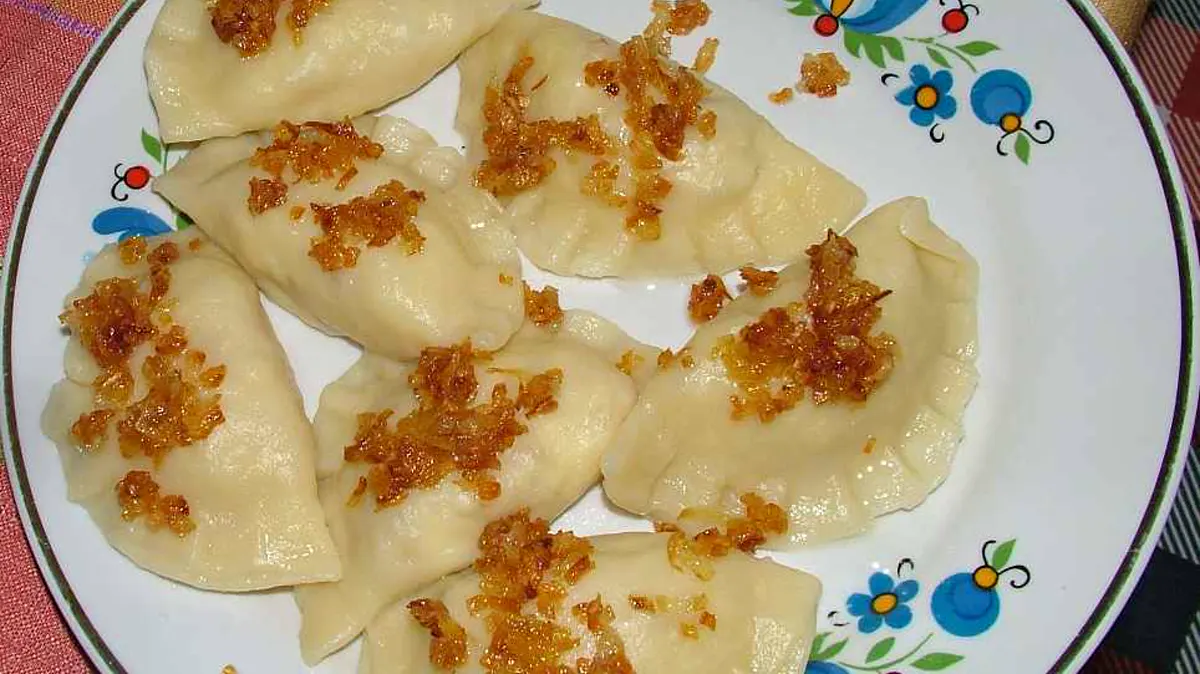
Pierogi are Poland's best-known dumplings, pockets of unleavened dough folded around a savoury or sweet filling, then boiled and often finished in a hot pan. You will meet them everywhere, from cheap canteens to smart dining rooms. This guide explains the classic fillings, how they are cooked, where to eat them well, and a few points of table manners. For the wider context, read our Polish food guide.
What exactly is a pieróg?
The word pierogi is plural. A single dumpling is a pieróg, though you will almost always order a plateful rather than one. The dough is simple: flour, water and sometimes egg, rolled thin, cut into rounds, filled, then sealed by hand and dropped into simmering water. Pierogi have been part of Polish cooking for centuries, and most families still have a preferred recipe. Sizes and thickness vary from one kitchen to the next.
The classic fillings
A handful of fillings appear on almost every menu. The most famous are pierogi ruskie, filled with potato and twaróg, a fresh curd cheese, seasoned with fried onion. The name means Ruthenian, after the historical region of Red Ruthenia now split between south-east Poland and western Ukraine, and has nothing to do with Russia.
Meat pierogi (z mięsem) hold minced cooked pork or beef, sometimes made from a leftover roast. Pierogi with cabbage and mushroom (z kapustą i grzybami) combine sauerkraut and dried forest mushrooms; a smaller version called uszka is served in beetroot soup at the Christmas Eve supper. Sweet pierogi are filled with seasonal fruit such as blueberries or strawberries, or with sweetened curd cheese, and arrive with sour cream and a dusting of sugar.
Boiled or fried?
Every pieróg starts boiled. From there you have a choice. Served straight from the water, they are soft and slippery. Ordered odsmażane, they are pan-fried in butter after boiling until the edges turn golden and crisp in patches. Savoury plates usually come topped with fried onion or skwarki, small pieces of rendered bacon or pork fat. Sweet ones are dressed with sour cream. Both styles are traditional, so order by preference.
Where to eat them well
Two kinds of place serve pierogi best: milk bars and pierogarnie. Milk bars (bar mleczny) are plain, low-cost canteens that date back to before the Second World War and spread widely under communism; many are still state-subsidised and very cheap. See our collection of milk bars for the background. In Gdansk, Bar Mleczny Neptun on Długa Street is one of the best known, while in Krakow Bar Mleczny Pod Temida is a reliable central option.
A pierogarnia is a shop or restaurant that specialises in the dumplings, often with a long list of fillings. Pierogarnia Mandu in Gdansk is among the country's most respected. For pierogi as part of a full traditional meal, Krakow restaurants such as Miod Malina, Pod Wawelem and Pod Aniolami all serve them well.
Ordering and etiquette
Pierogi are usually sold by the portion, often eight to ten pieces, and menus list savoury and sweet separately. Some places let you mix fillings on one plate, so it is worth asking. There is no ceremony to eating them. A fork is enough, and cutting a dumpling with the side of the fork is normal. Tap water is rarely served free, so order a drink if you want one. Vegetarians can usually rely on ruskie, sweet and cabbage-and-mushroom fillings, but ask whether the onion was fried in lard if that matters to you.
Good to know
Many milk bars take cash only and close by early evening, so carry a few złoty and go at lunchtime for the best choice. Check current hours on each venue's own page before you set out, and browse more options in our milk bars collection.
Written by ViewPoland Editorial for ViewPoland, an independent English-language guide to Poland. Published 24 July 2026. Last updated 24 July 2026.