Region
Masovia
Masovia (Mazowsze) is Poland's central region and home to Warsaw, the national capital rebuilt from the ground up after the Second World War. It is the country's political and business heart, and for most travelers the first point of arrival.
Warsaw carries the region: a reconstructed Old Town on the UNESCO list, the palaces and parks of the Royal Route and Lazienki, and a fast-growing modern skyline and museum scene. The Vistula runs through the city, its eastern bank left green and wild in stretches.
Beyond the capital, Masovia is flat, farmed and threaded with rivers. The Kampinos forest on Warsaw's edge is a national park within reach of the city, and to the west lies Zelazowa Wola, the birthplace of Fryderyk Chopin, now a museum and park.
Warsaw is the obvious base, with the country's largest airport and main rail hub putting the rest of Poland within a few hours. Two or three days cover the city comfortably, with time for a Chopin or Kampinos side trip.
Destinations
Places to see
Attraction
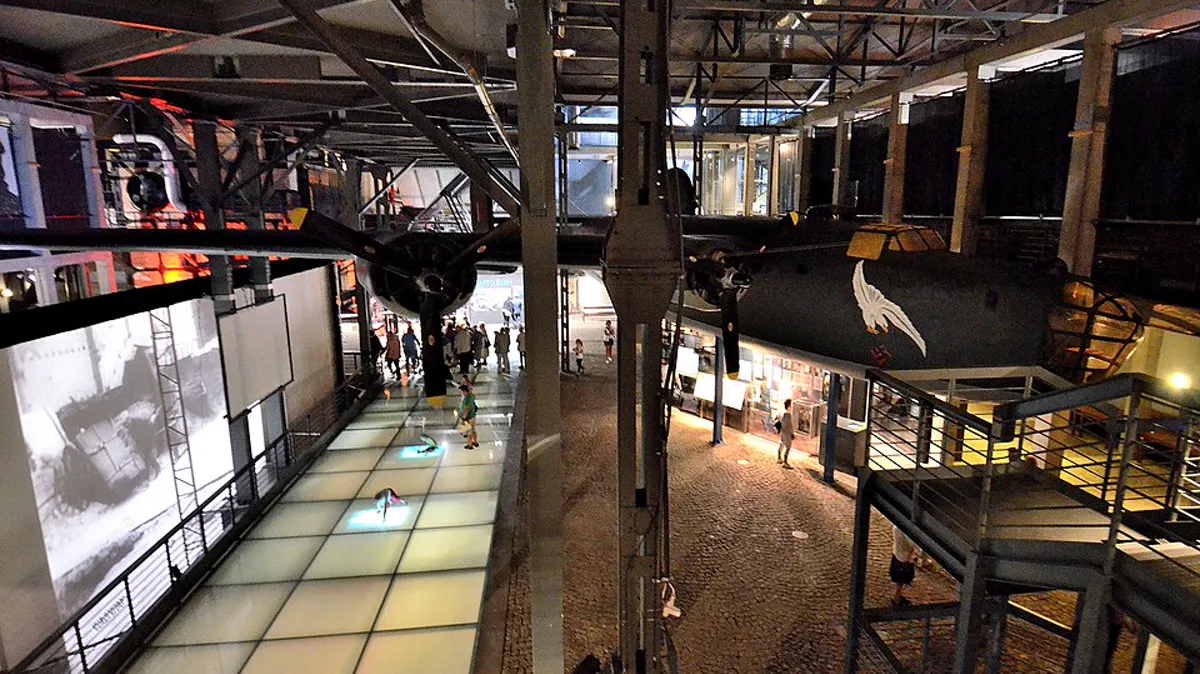
Muzeum Powstania Warszawskiego
The Warsaw Uprising Museum documents the 63-day insurrection of 1944 through survivor recordings, a replica Liberator bomber, and a beating-heart sound installation. It sits in a former tram power station in the Wola district.
Castle
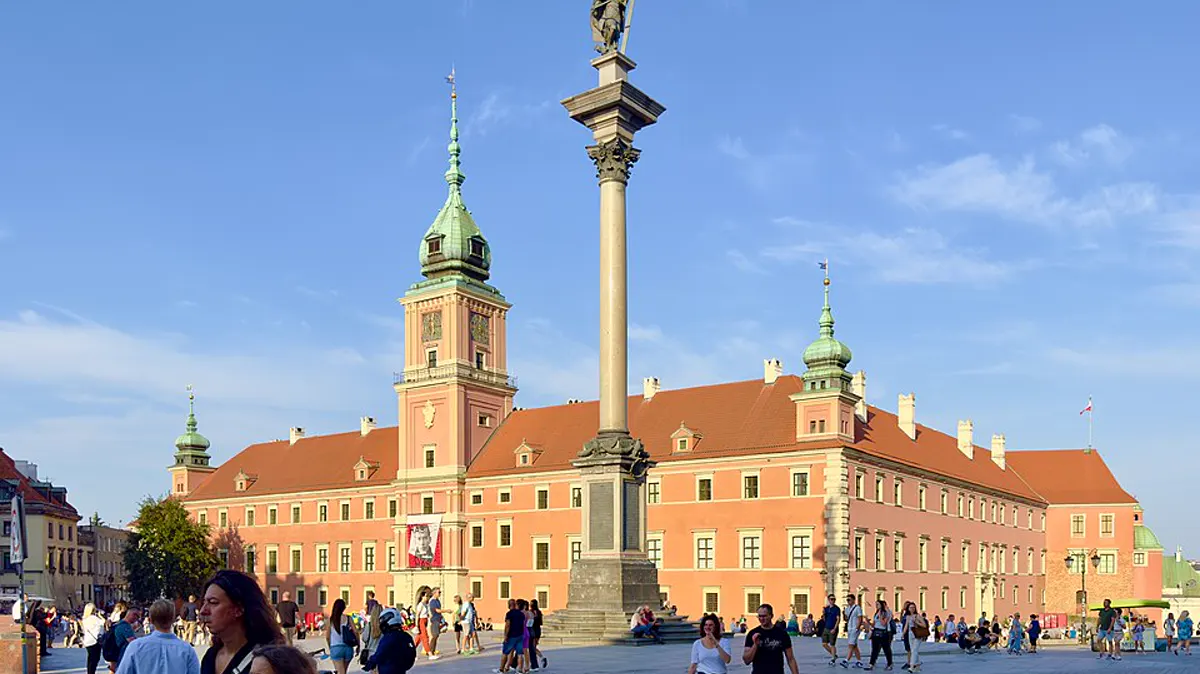
Royal Castle
The reconstructed seat of Polish kings and parliament on Castle Square, rebuilt from rubble after wartime destruction.
Museum
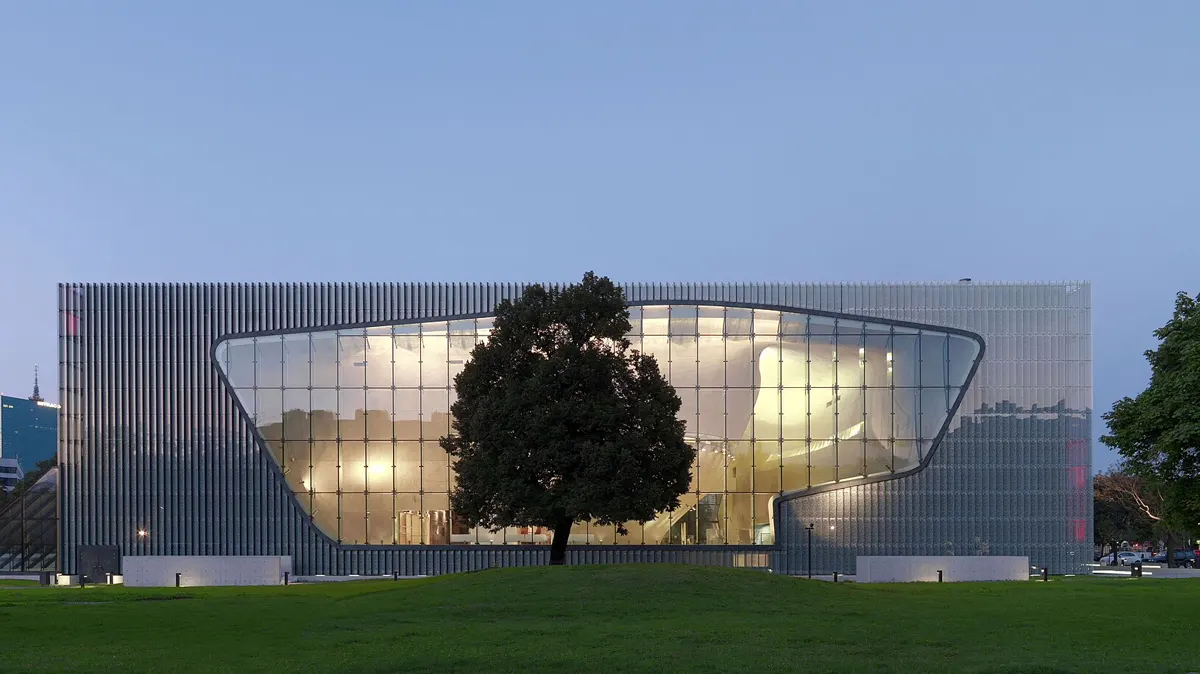
POLIN Museum of the History of Polish Jews
An award-winning museum tracing a thousand years of Jewish life in Poland, on the site of the former Warsaw Ghetto.

Restaurant
Nolita
A Michelin Guide-listed kitchen turning Polish produce into precise modern tasting menus.
Hotel
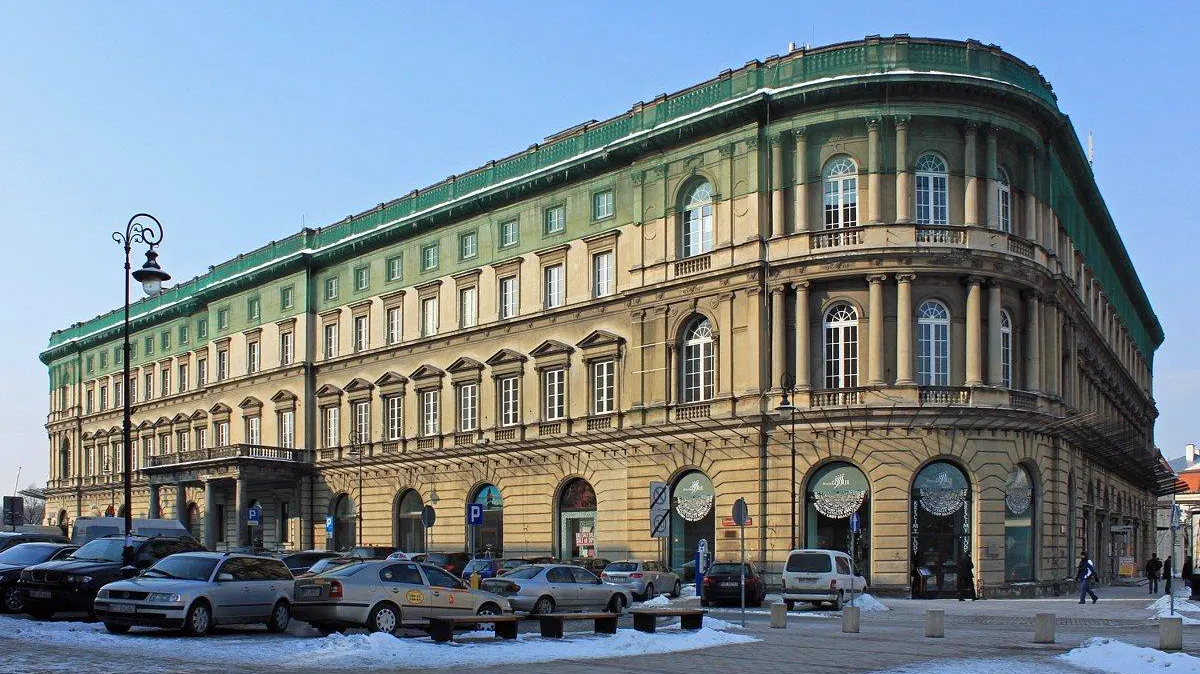
Raffles Europejski Warsaw
A landmark 19th-century hotel on the Royal Route, reborn with a serious art collection.
Attraction
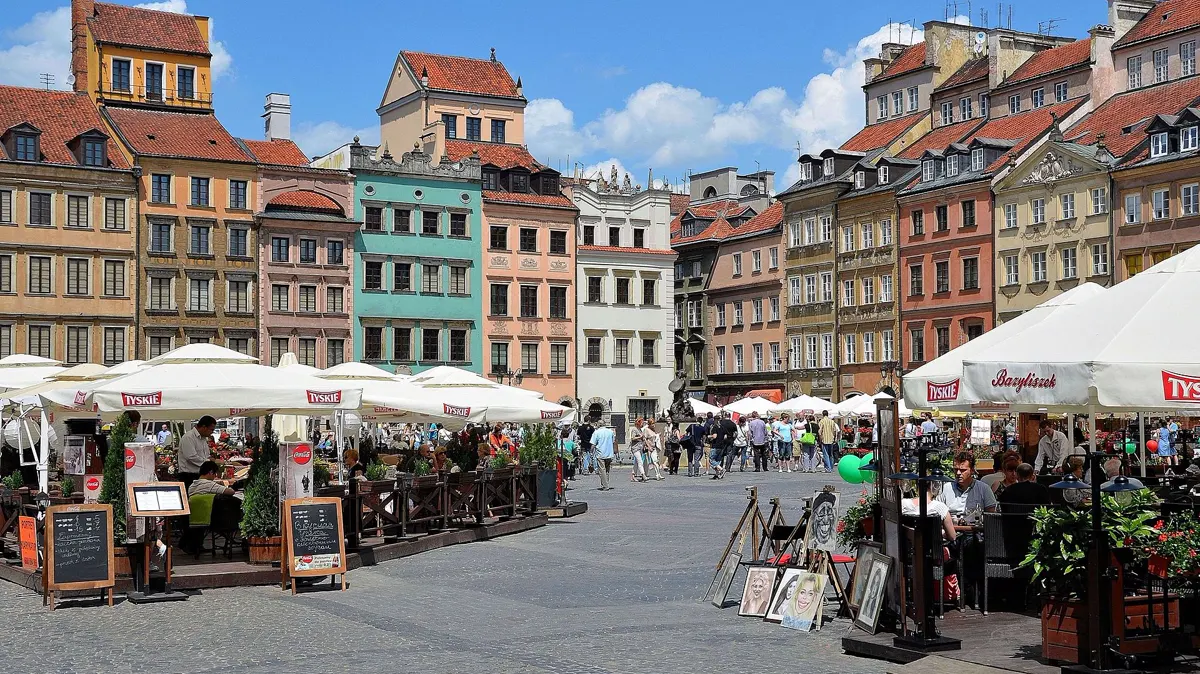
Stare Miasto (Warsaw)
Warsaw's Old Town was rebuilt from rubble after World War II so faithfully that UNESCO added it to the World Heritage list. Its Market Square is lined with pastel merchant houses and centred on the bronze Mermaid statue, the city's symbol.
Attraction
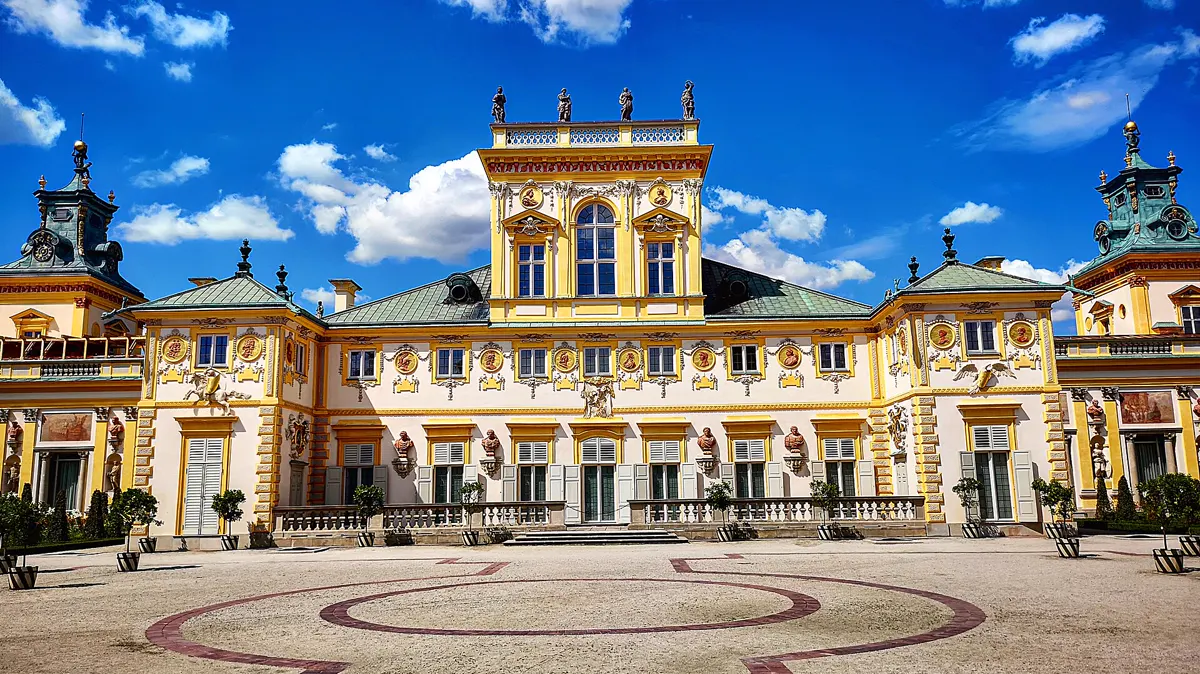
Palac w Wilanowie
Wilanow Palace was the baroque summer residence of King Jan III Sobieski and survived the war intact, earning it the nickname the Polish Versailles. Its formal gardens and gilded interiors draw crowds year round.
Attraction
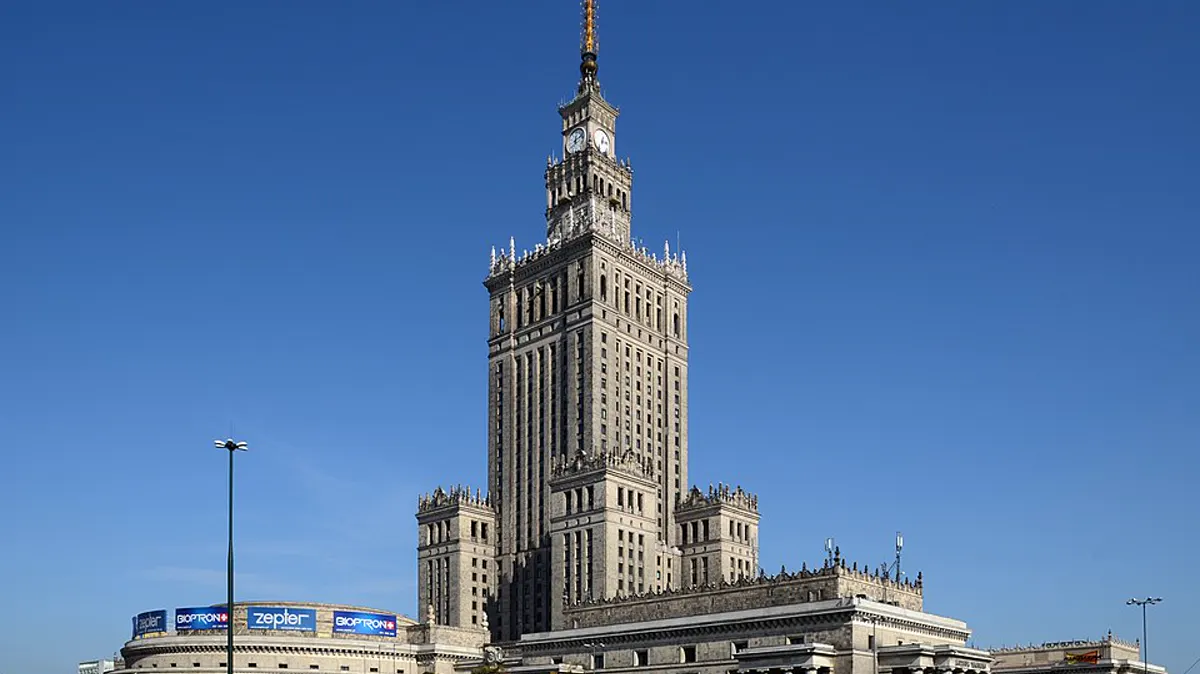
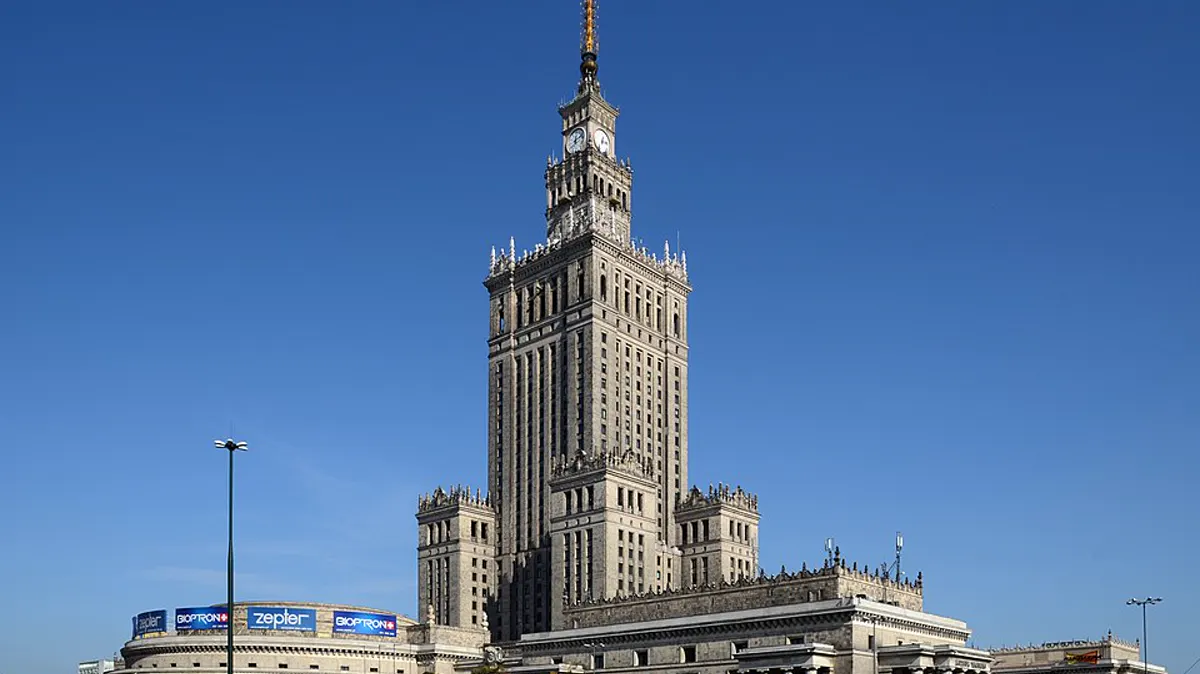
Palac Kultury i Nauki
The Palace of Culture and Science is Poland's tallest building at 237 metres, a Stalinist gift from the Soviet Union completed in 1955. Its 30th-floor terrace offers the best panorama of the modern skyline.
Attraction
Krakowskie Przedmiescie (Warsaw)
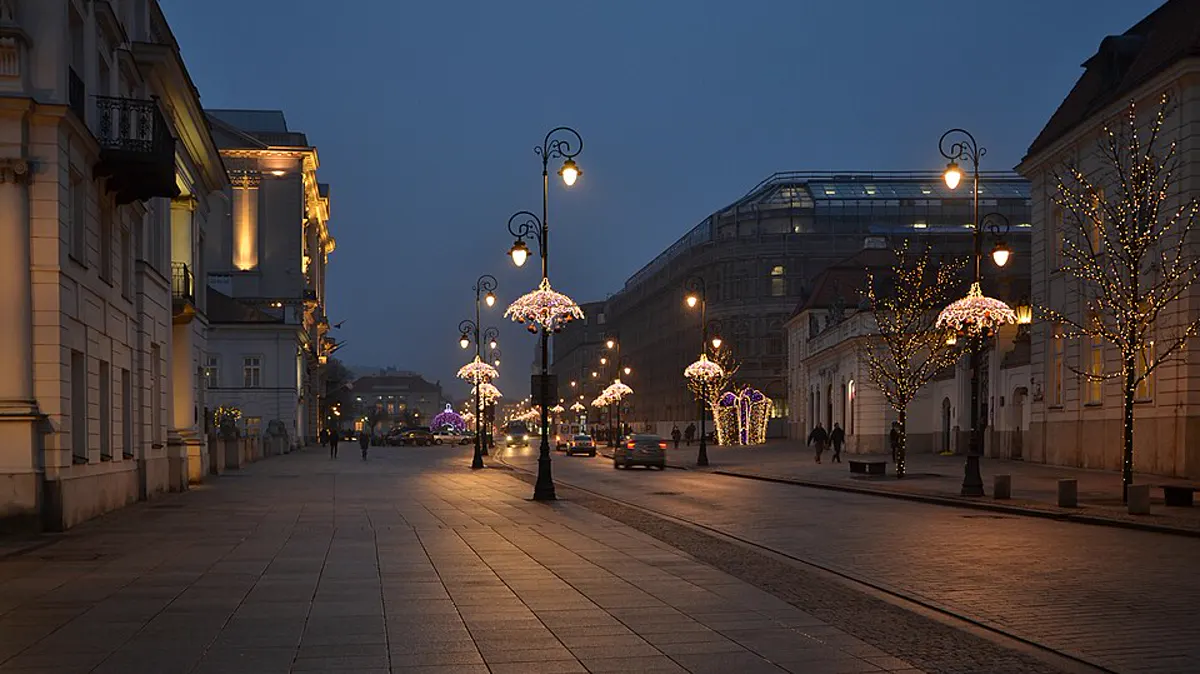
This elegant Royal Route boulevard links the Old Town to the university and is lined with churches, palaces and the Presidential Palace. The Holy Cross Church here holds an urn containing Fryderyk Chopin's heart.