Region
Lower Silesia
Lower Silesia (Dolny Slask) sits in the southwest, where Wroclaw's canals and market square give way to the Sudetes mountains along the Czech border. It is one of Poland's most varied regions for both landscape and architecture.
Wroclaw anchors it, a city built across a dozen islands and linked by more than a hundred bridges, with a huge medieval market square, a Gothic town hall and the UNESCO-listed Centennial Hall. Its cathedral island, Ostrow Tumski, is the historic core.
South of the city the land climbs into the Karkonosze range and the strange rock labyrinths of the Table Mountains, both national parks, dotted with spa towns, palaces and castles such as Ksiaz, the largest in the region. The area changed hands over the centuries, and German, Czech and Polish threads all show in its towns.
Wroclaw is the base, with an airport and good rail links, and the mountains are an easy day or overnight to the south. Two days suit the city, more if you add the Sudetes.
Destinations
Places to see
Attraction
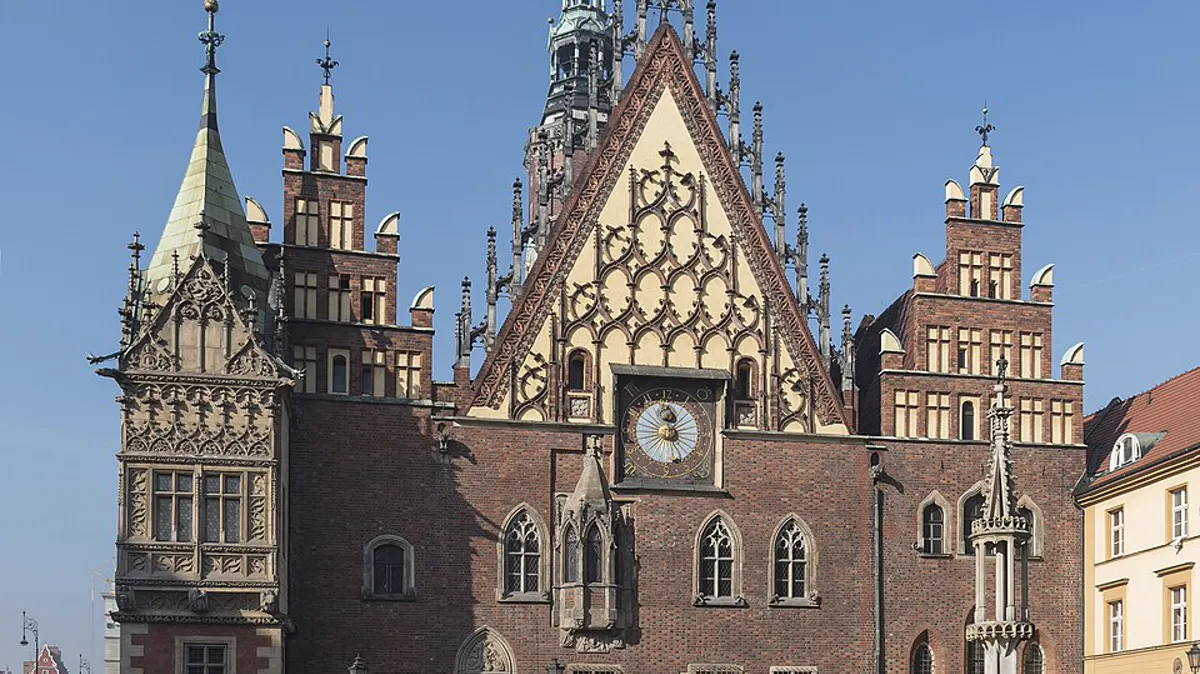
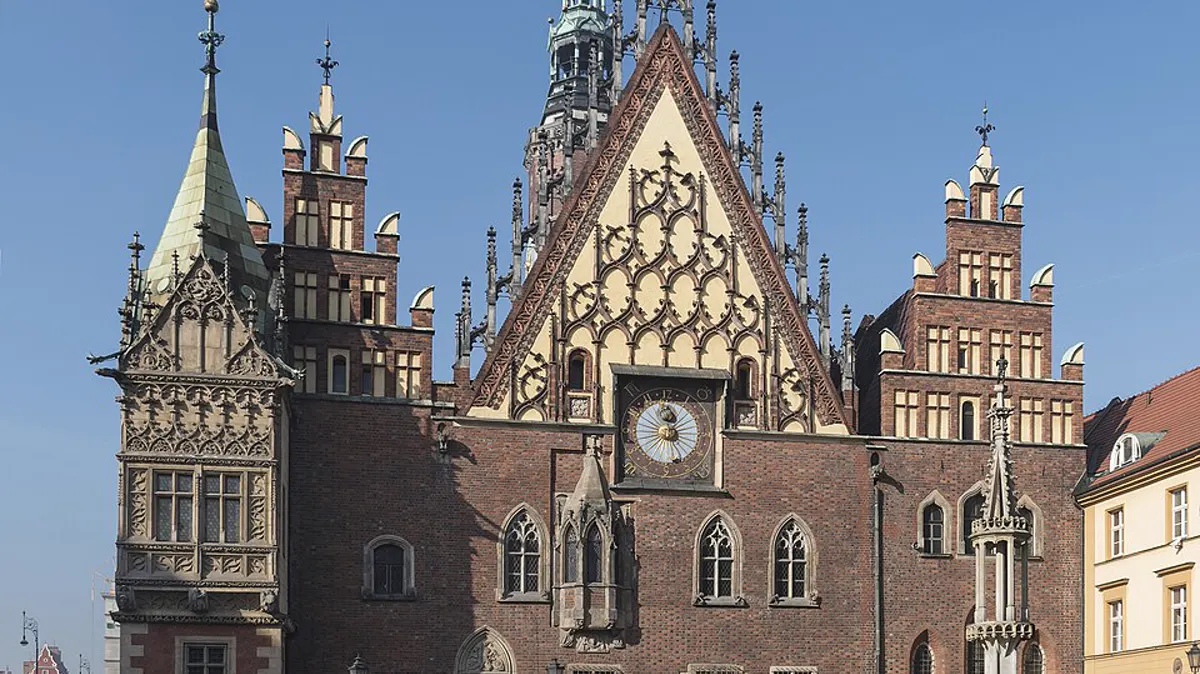
Ratusz (Old Town Hall)
A late-Gothic town hall built over roughly 250 years, famed for its richly carved south facade and astronomical clock from 1580. It houses the Museum of Burgher Art and the historic Piwnica Swidnicka beer cellar below.
Attraction
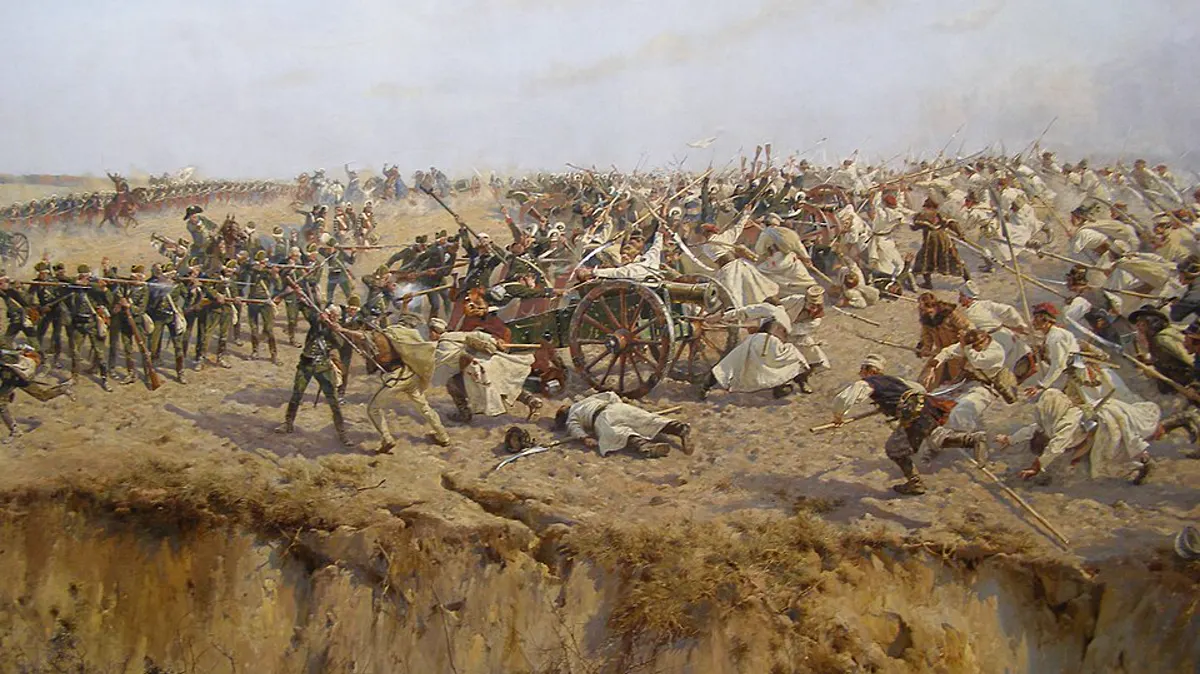
Panorama Raclawicka
A monumental 360-degree painting measuring 15 by 114 metres depicting the 1794 Battle of Raclawice. Viewers stand on a central platform as the painted canvas blends seamlessly into a three-dimensional foreground.
Attraction
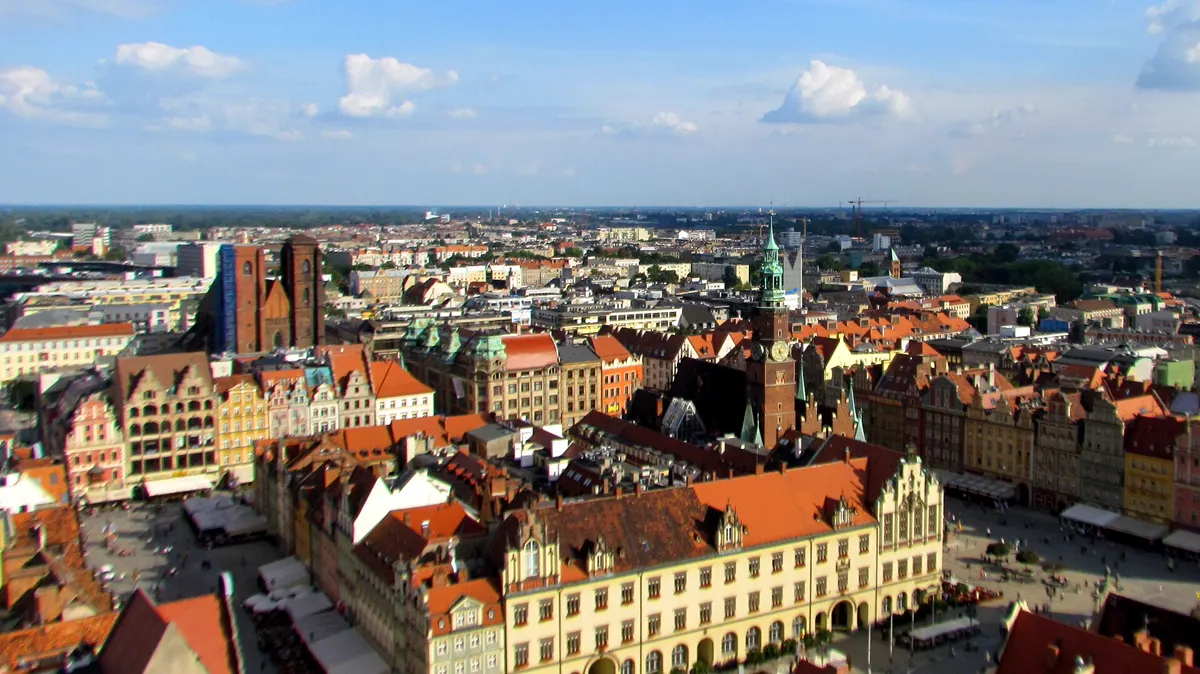
Market Square
One of the largest medieval squares in Poland, ringed by colourful townhouses and centred on an ornate Gothic town hall.

Restaurant
Jadka
An elegant fine-dining room under gothic vaults just off the Rynek, a special-occasion staple.
Hotel
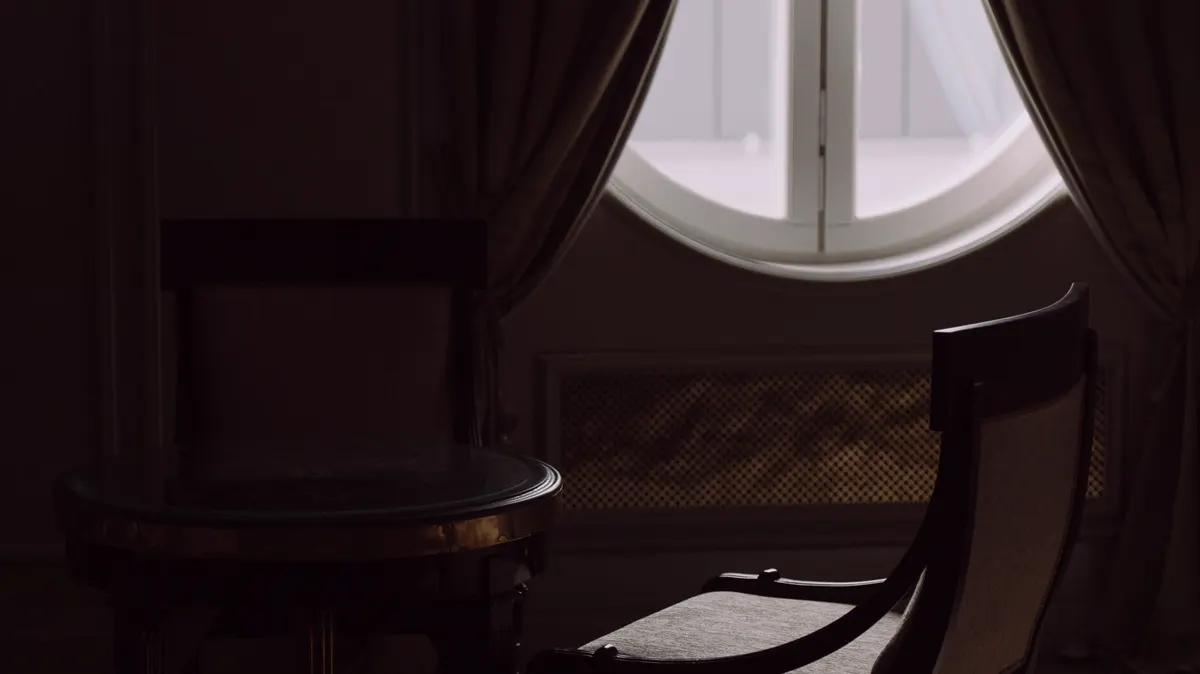
Hotel Monopol
A grand Art Nouveau hotel by the opera with a rooftop terrace over the old town and a spa pool.
Attraction
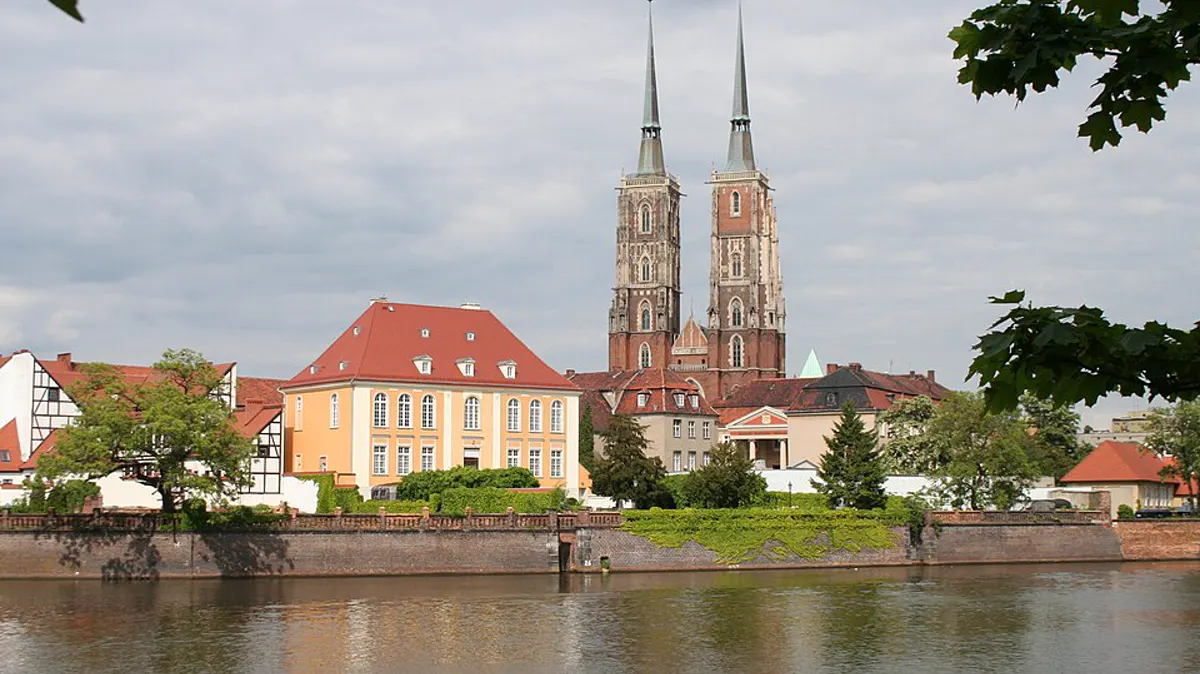
Cathedral Island, Wroclaw
The oldest part of Wroclaw, a cluster of churches on an island in the Oder reached across a romantic iron bridge.
Attraction
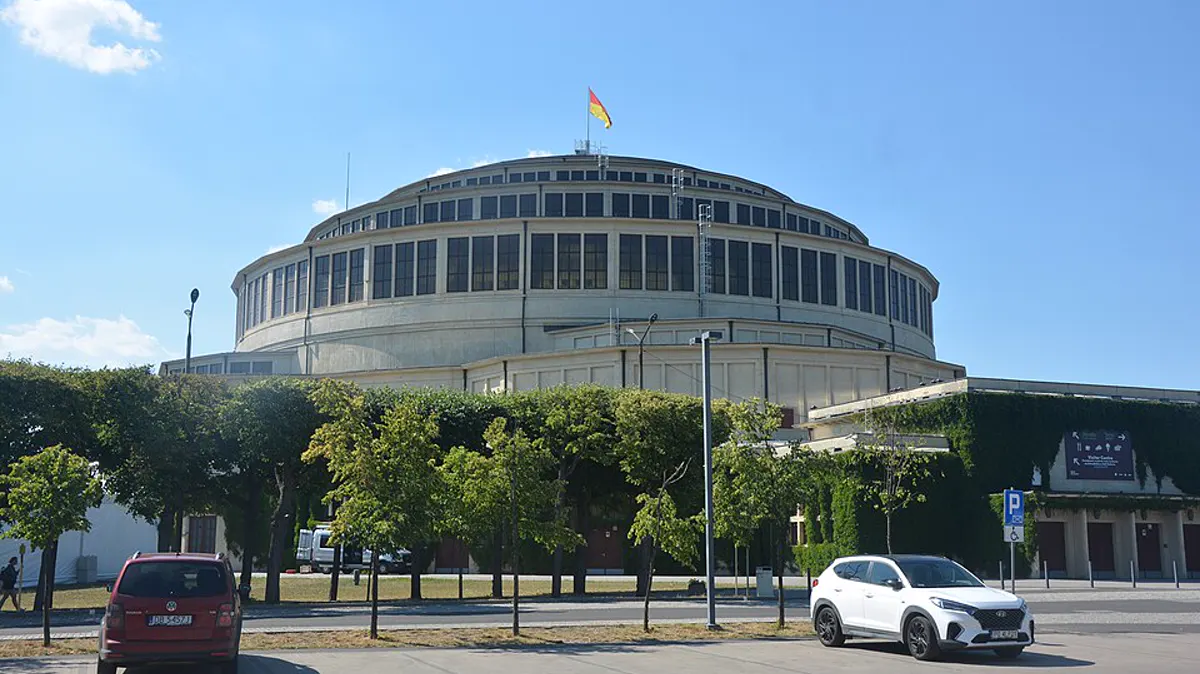
Centennial Hall
A pioneering reinforced-concrete dome from 1913, listed by UNESCO, set in a park with a large multimedia fountain.
Attraction
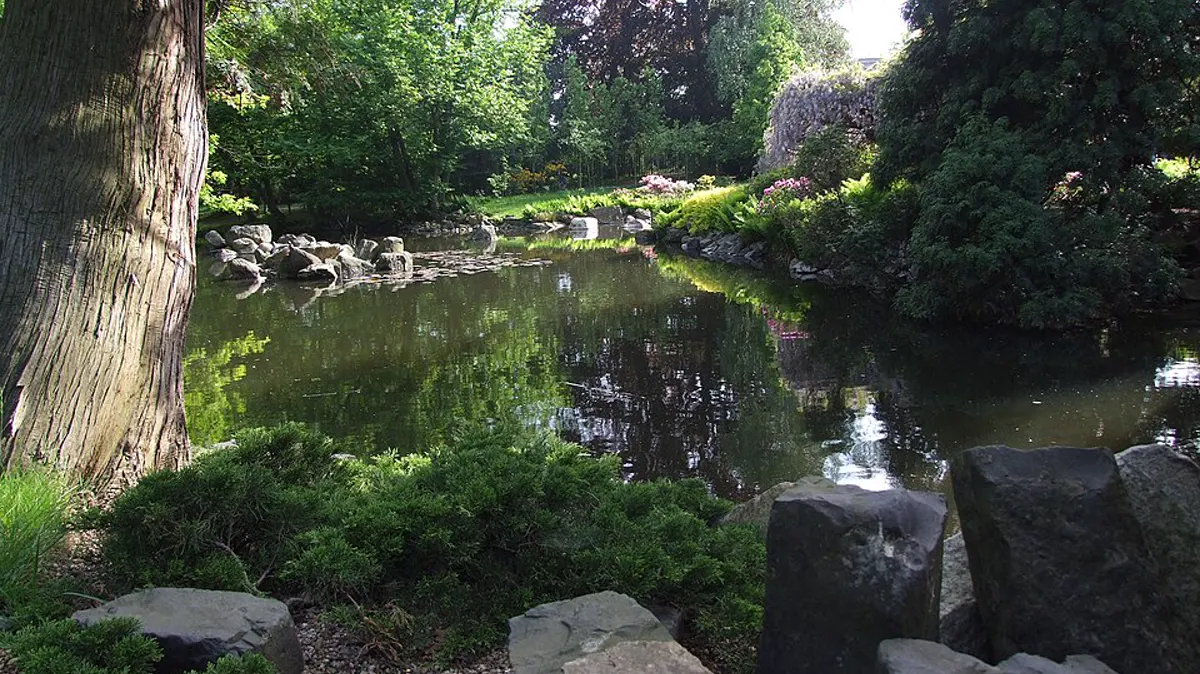
Ogrod Japonski
A tranquil Japanese garden created for the 1913 World Exposition beside Szczytnicki Park, with ponds, bridges and a small waterfall. It was faithfully restored in the 1990s with help from Japanese specialists.
Attraction
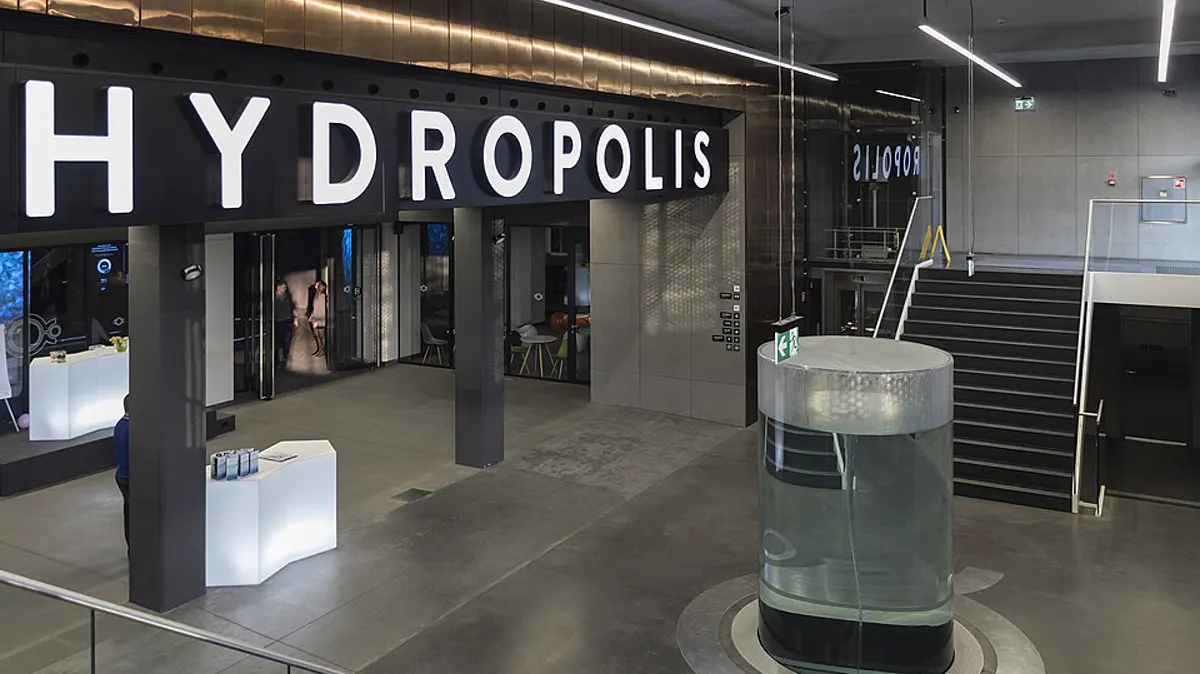
Hydropolis
An interactive science centre devoted entirely to water, set inside a restored 19th-century underground water reservoir. Highlights include a full-scale replica of a deep-sea bathyscaphe.