Białowieża
Attractions in Białowieża
Białowieża's sights divide between the forest and the village that grew up to serve it. On the forest side are the Royal Oaks Trail through the Stara Białowieża tract, the raised Żebra Żubra boardwalk, and guided walks into the Strict Nature Reserve, the UNESCO-listed core of the primeval forest. In the village, the tsarist era left the Palace Gate of Alexander III's hunting estate, the surrounding Palace Park, the Orthodox Church of St Nicholas with its glazed-ceramic iconostasis, and two restored railway stations. The Obelisk of 1752, raised for a royal hunt, is the oldest monument here, and the wooden Governor's Manor of 1845 the oldest surviving building.
All Attractions in Białowieża
Attraction
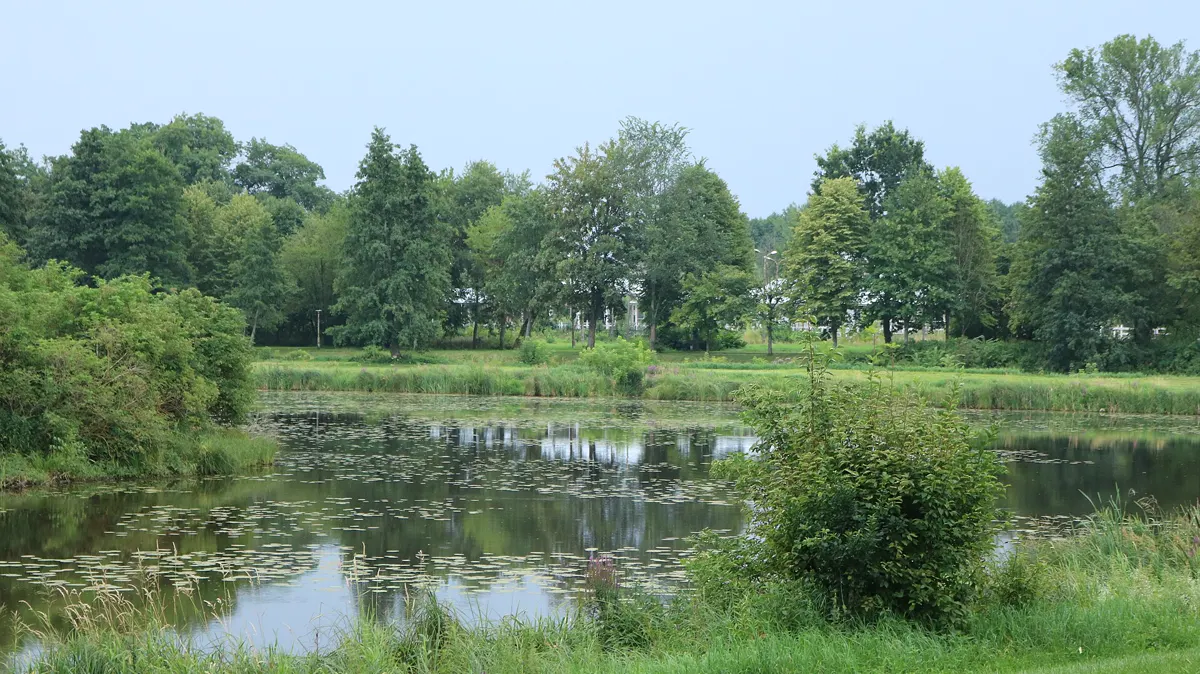
Palace Park (Park Pałacowy)
Landscaped grounds around the site of the tsars' burned hunting palace, now the setting for the national park museum.
Attraction
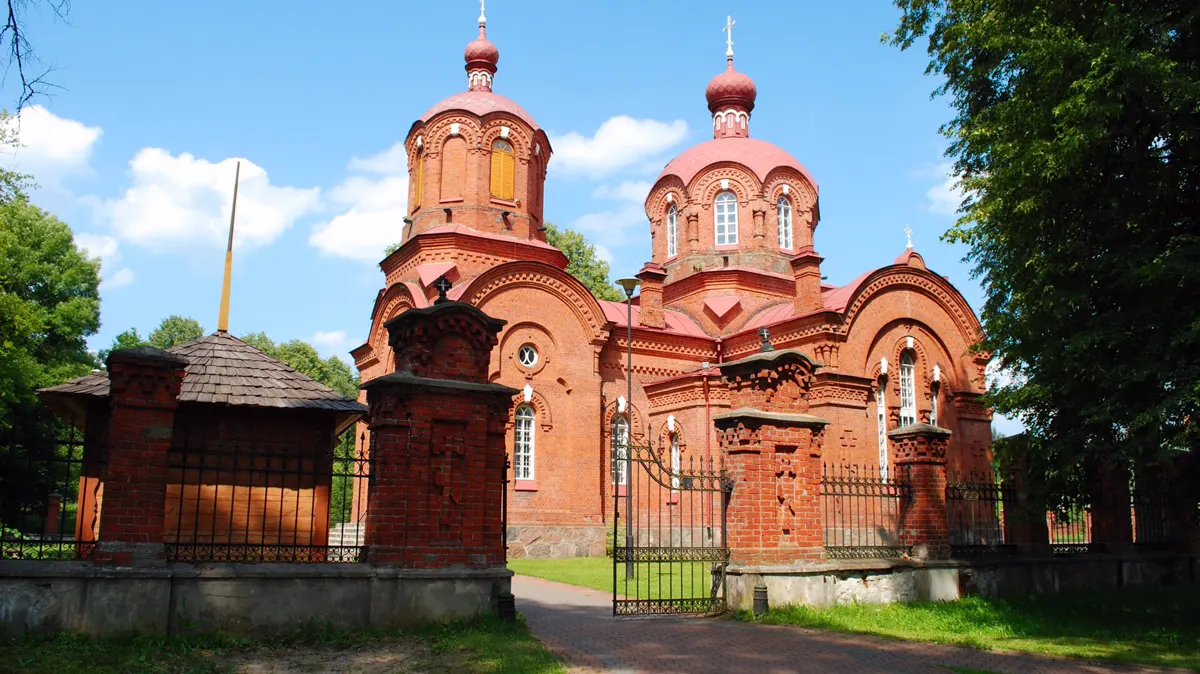
Orthodox Church of St Nicholas
A tsarist-era Orthodox church holding a rare glazed-ceramic iconostasis, unusual in Poland.
Attraction
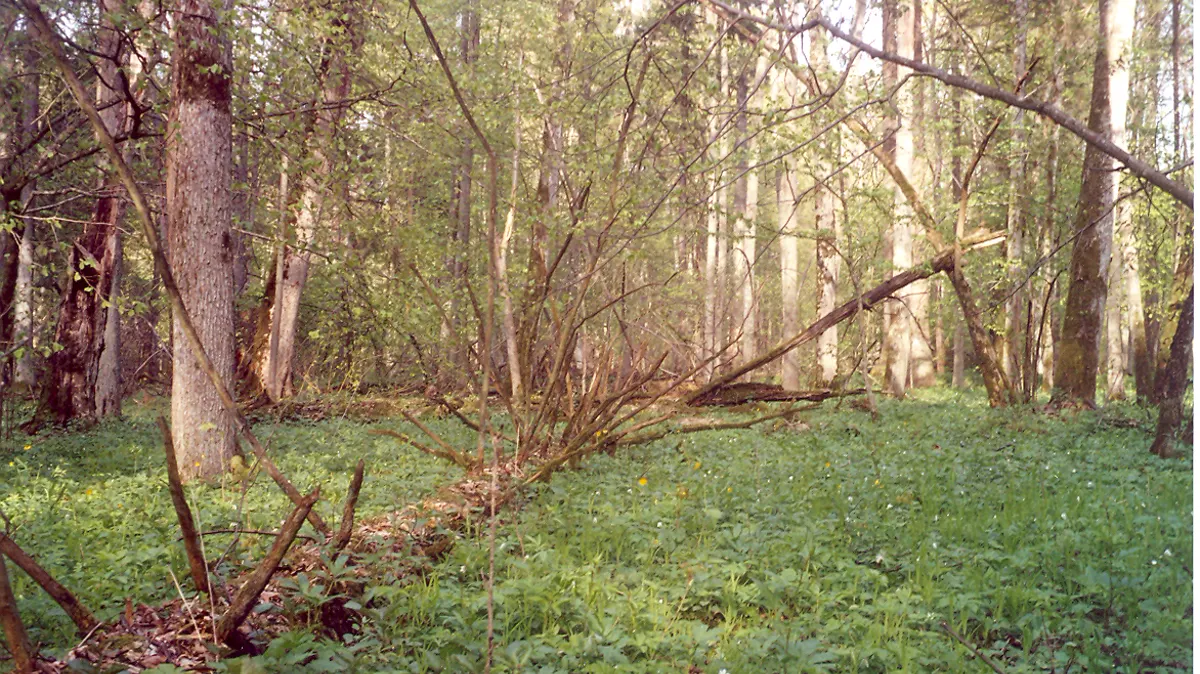
Strict Nature Reserve, Białowieża (Guided Primeval Forest Walk)
The strictly protected core of the Białowieża primeval forest, a UNESCO World Heritage site entered only on foot with a licensed park guide. Visitors walk through old-growth woodland that has never been cleared.
Attraction
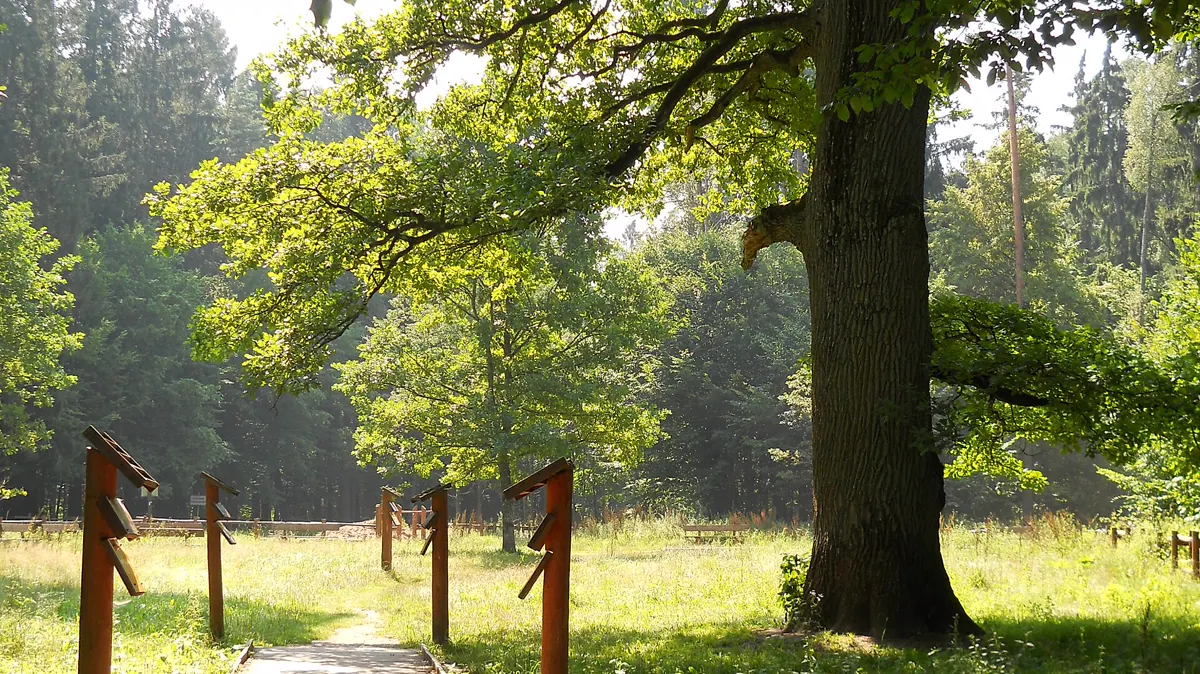
Royal Oaks Trail (Szlak Dębów Królewskich)
A short boardwalk loop in the Stara Białowieża tract that winds past monumental oaks, each named after a Polish king or Lithuanian duke who once hunted in the forest.
Attraction
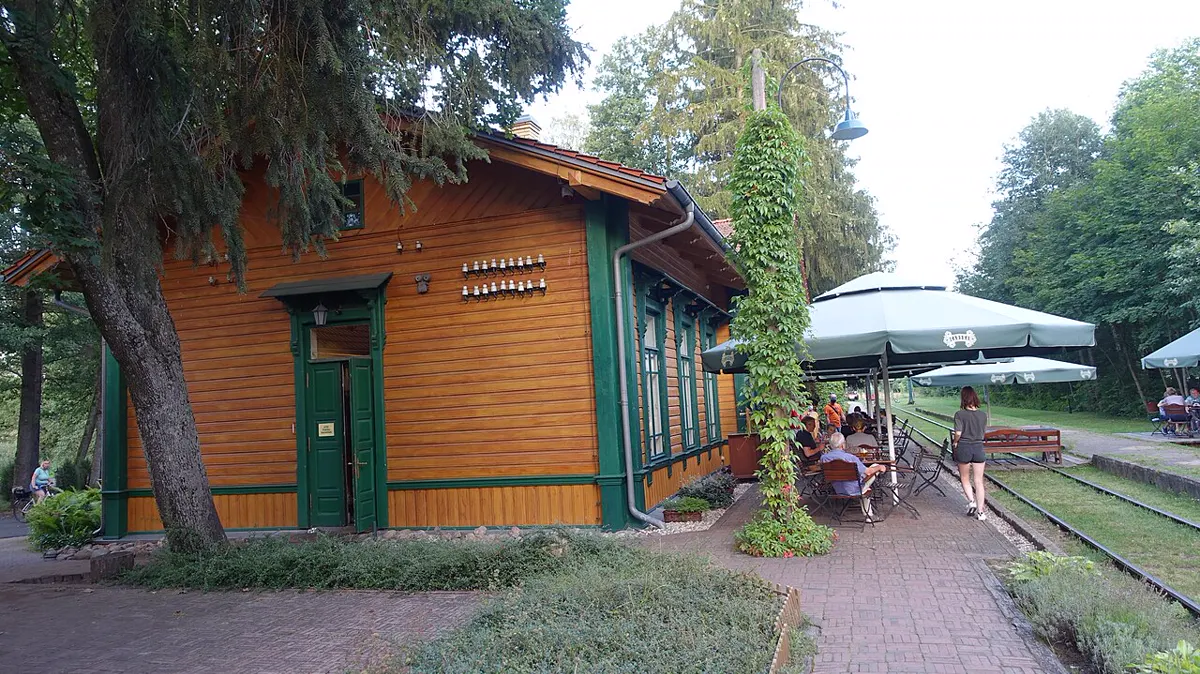
Białowieża Towarowa Railway Station
A restored 1903 freight railway station on the edge of Białowieża village, now home to a Tsarist-themed venue and accommodation set inside its old depot, water tower and vintage carriages.
Attraction
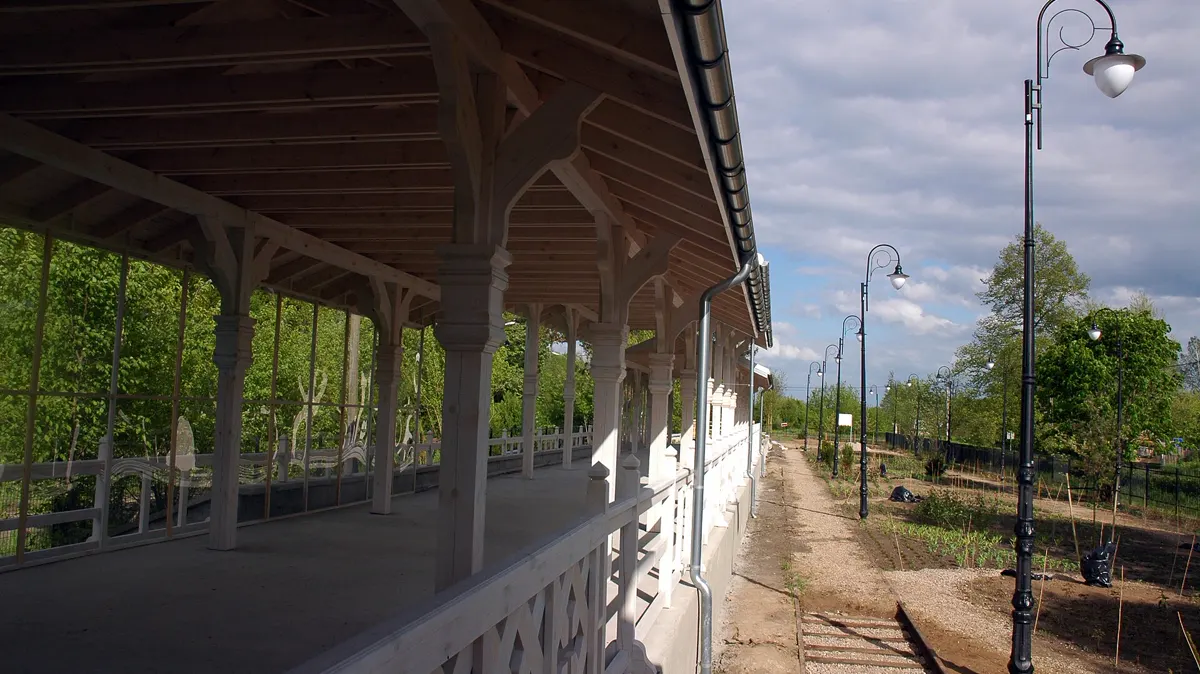
Białowieża Pałac Railway Station
A restored 19th-century railway station in Białowieża that once served the Russian tsar's hunting palace and now houses a family education-and-play complex.
Attraction
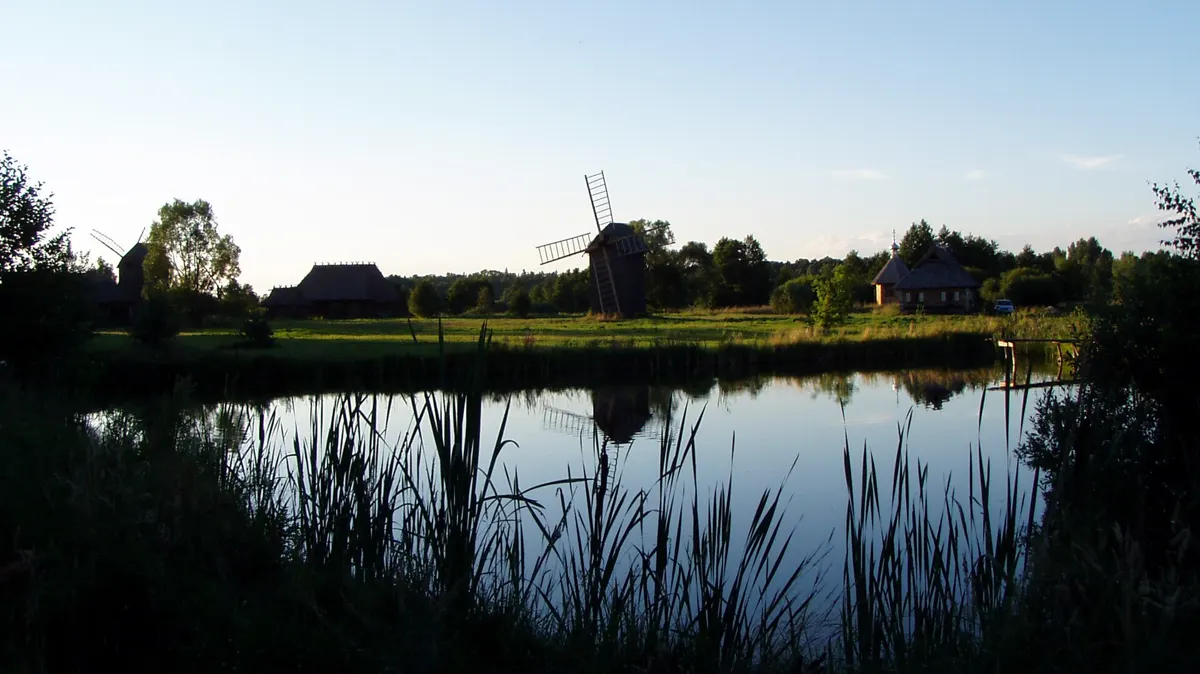
Open-Air Museum (Skansen) in Białowieża
An open-air folk-architecture museum in Białowieża village that gathers traditional wooden rural buildings of the region, including dwellings, a barn, two windmills and an octagonal chapel.
Attraction
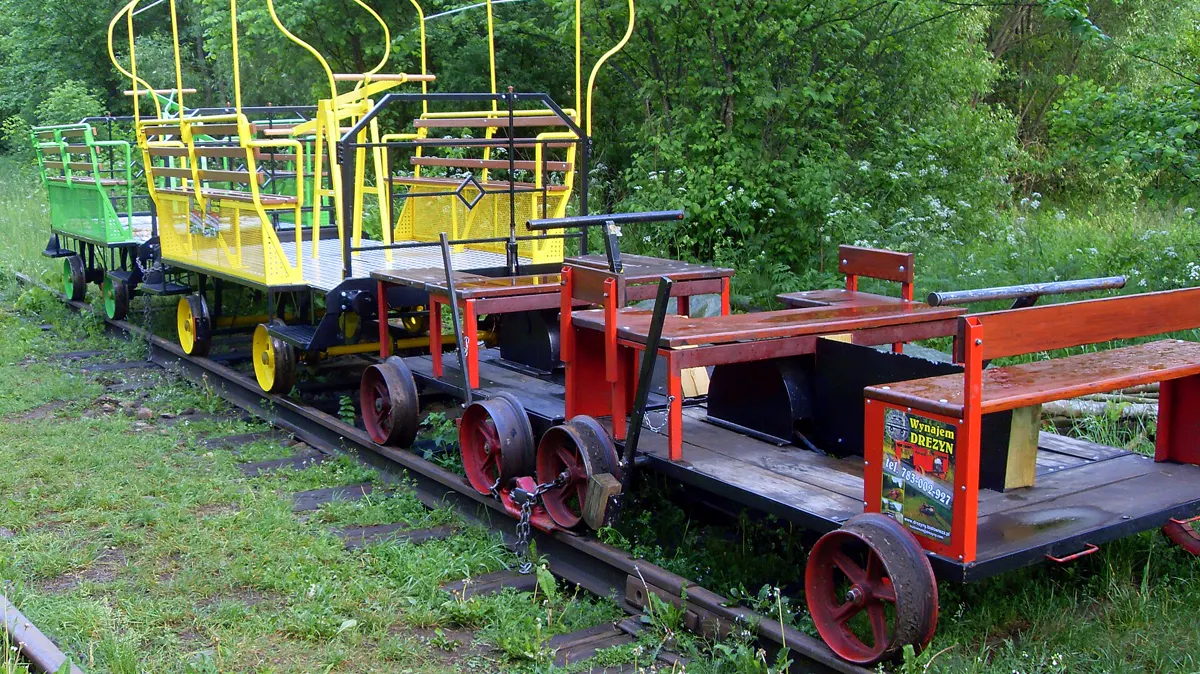
Białowieża Handcars (Draisines)
Hand-powered railway trolleys that visitors pedal along a disused line running towards Białowieża, passing through forest and meadow. Groups power the cars themselves, making it a hands-on activity for families.
Attraction
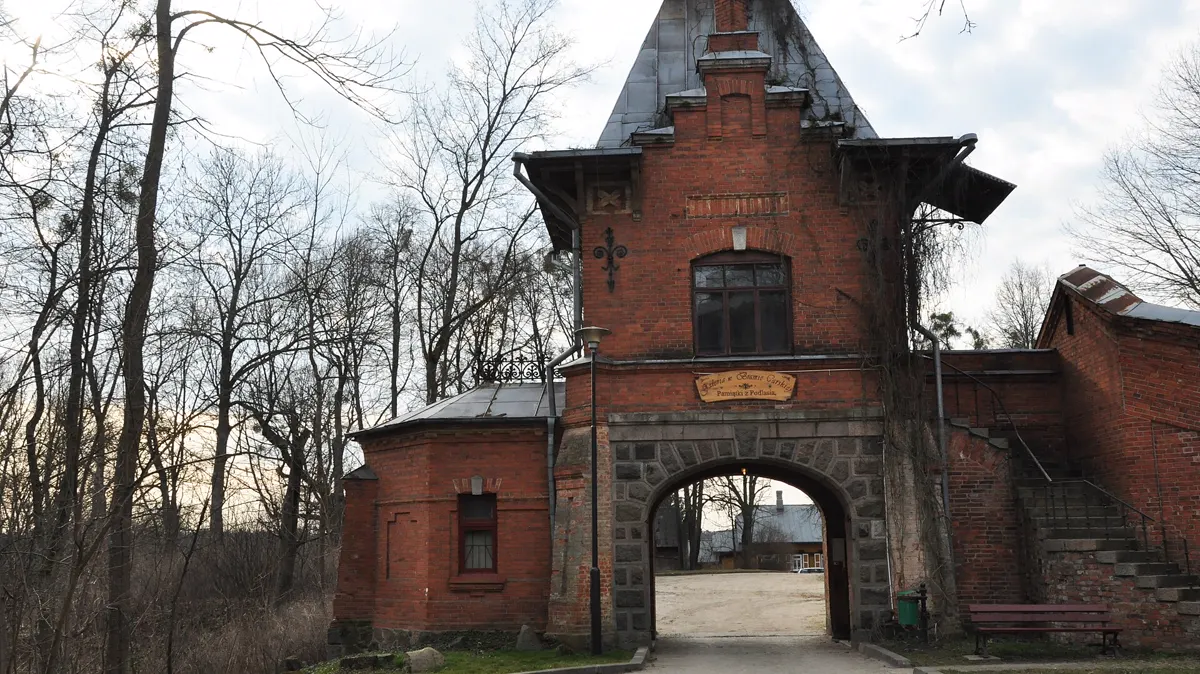
Palace Gate (Tsar's Palace Gate)
A red-brick gatehouse from the 1890s that marked the entrance to Tsar Alexander III's hunting estate in Białowieża, and one of the few structures left from that imperial complex.
Attraction
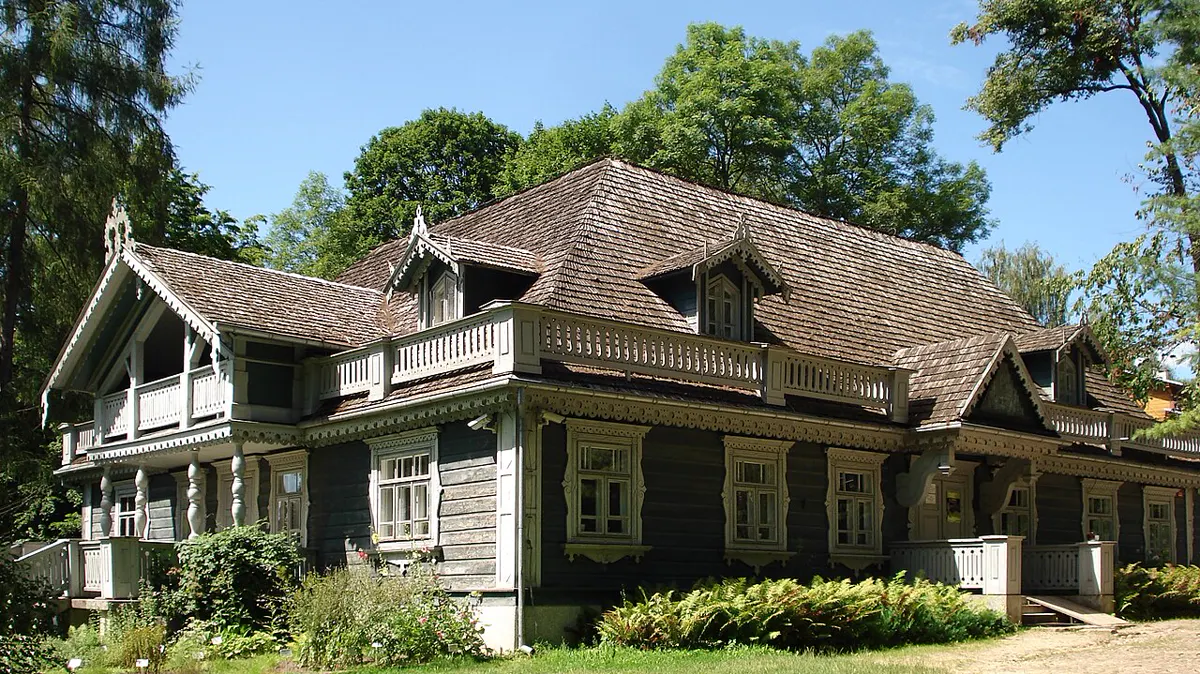
Governor's Manor (Dworek Gubernatora)
A light mint wooden manor from 1845, considered the oldest preserved building in Białowieża, now home to the Nature Education Centre of Białowieża National Park.
Attraction
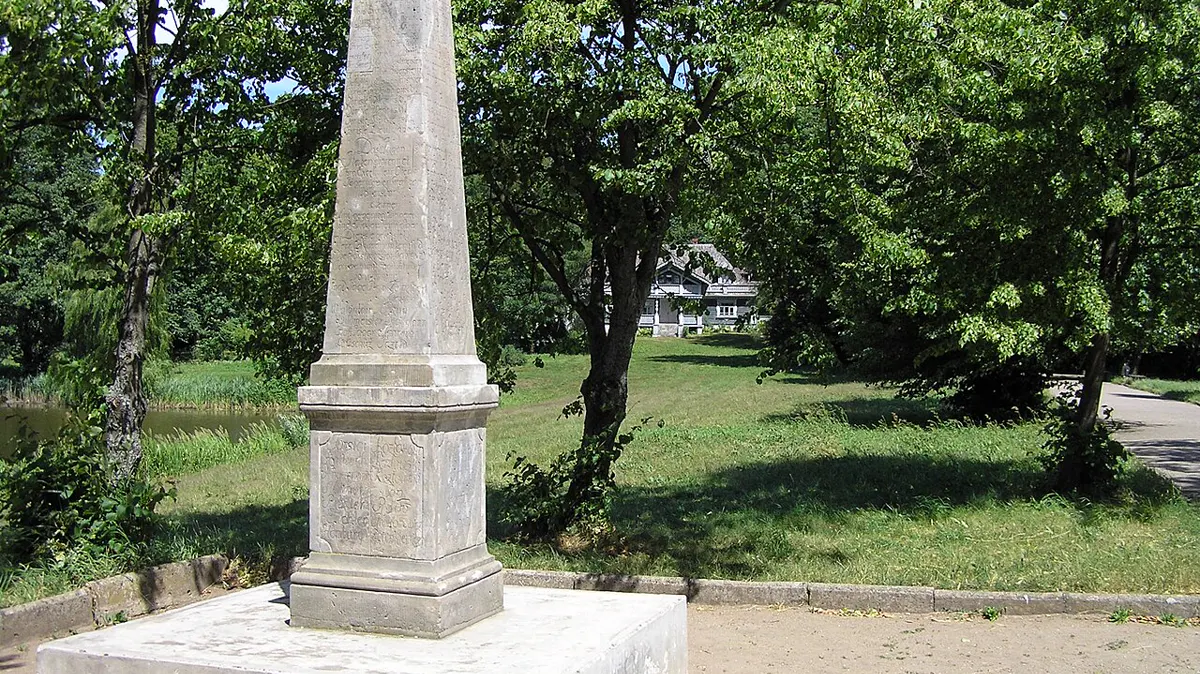
Obelisk of 1752
The oldest monument in Białowieża, a sandstone obelisk marking a royal hunt held by King Augustus III in 1752, with inscriptions listing the game taken.
Attraction
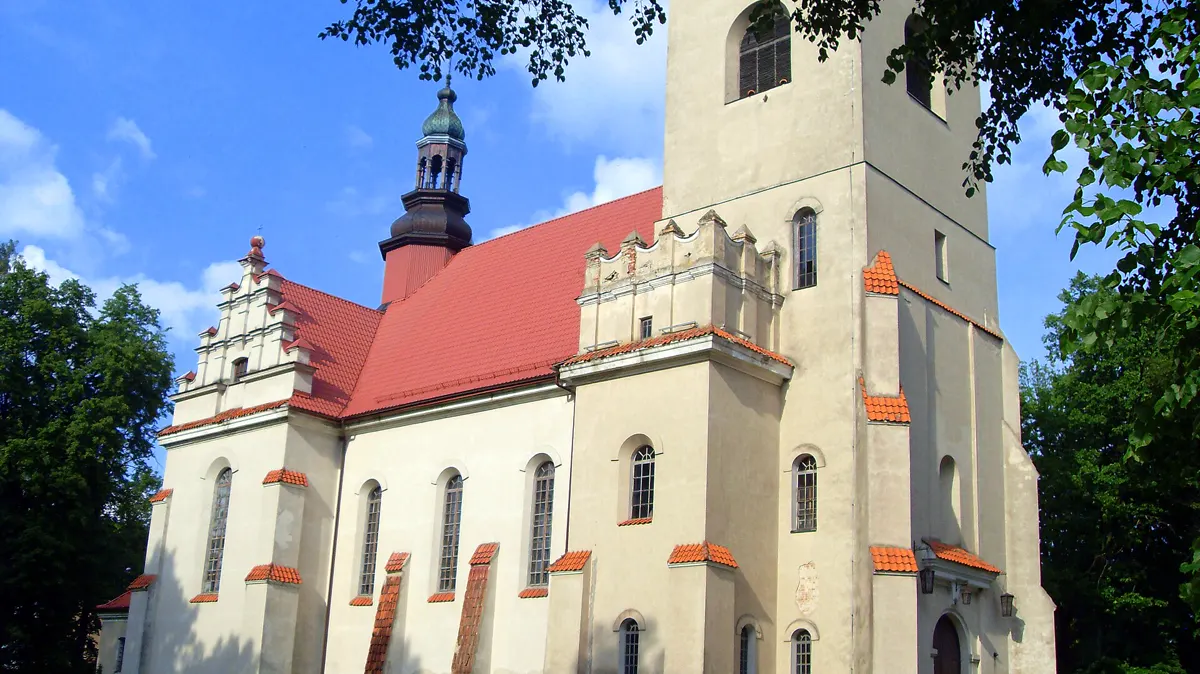
Catholic Church of St Theresa of the Child Jesus
A Roman Catholic parish church in Białowieża village, built in the early 20th century in a neo-Renaissance style and known for its wooden altar furnishings.
Attraction
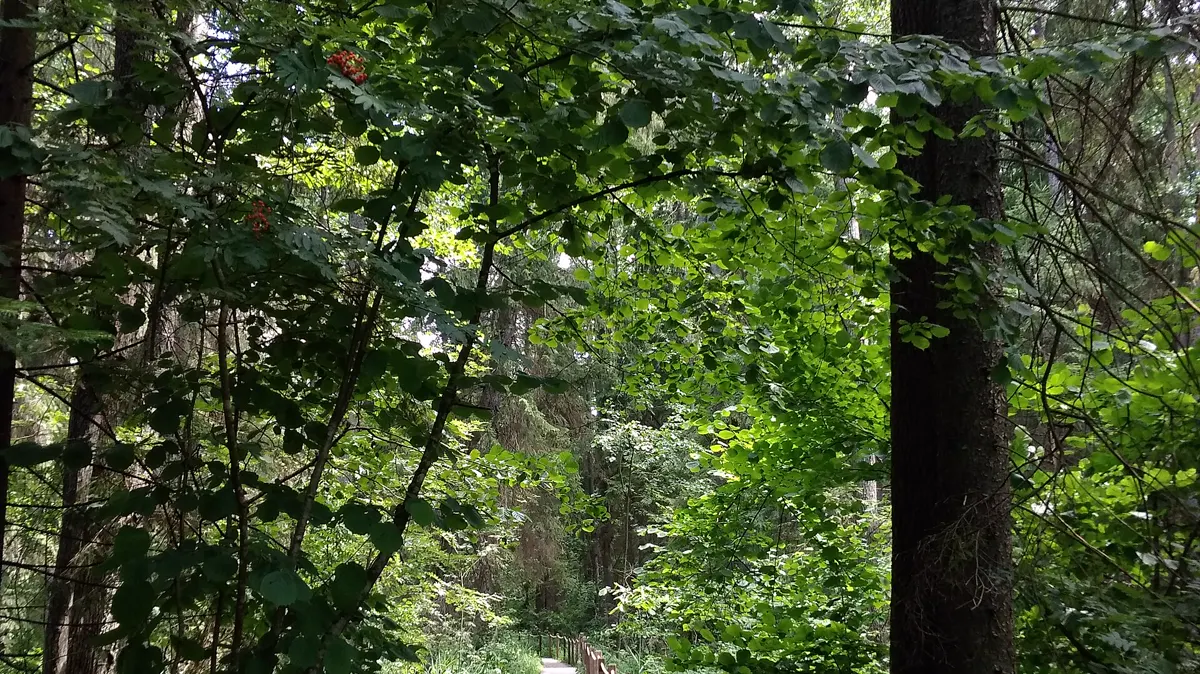
Żebra Żubra Educational Boardwalk Trail
A raised wooden boardwalk of about 2.7 km through the forest near Białowieża, walkable in roughly 45 minutes and open even to strollers, with interpretive stops explaining the woodland.
Attraction
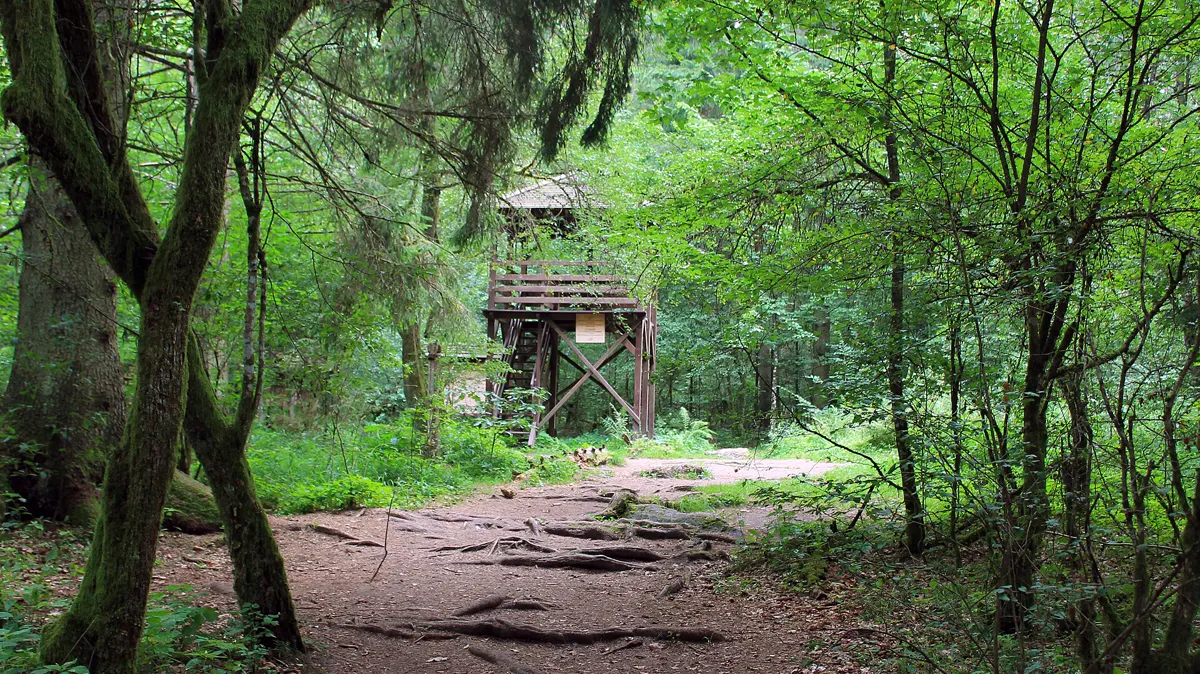
Place of Power (Miejsce Mocy)
A forest clearing with an arrangement of stones a few kilometres from Białowieża, tied by local tradition to old pagan worship and visited for its quiet, folklore-tinged atmosphere.
Attraction
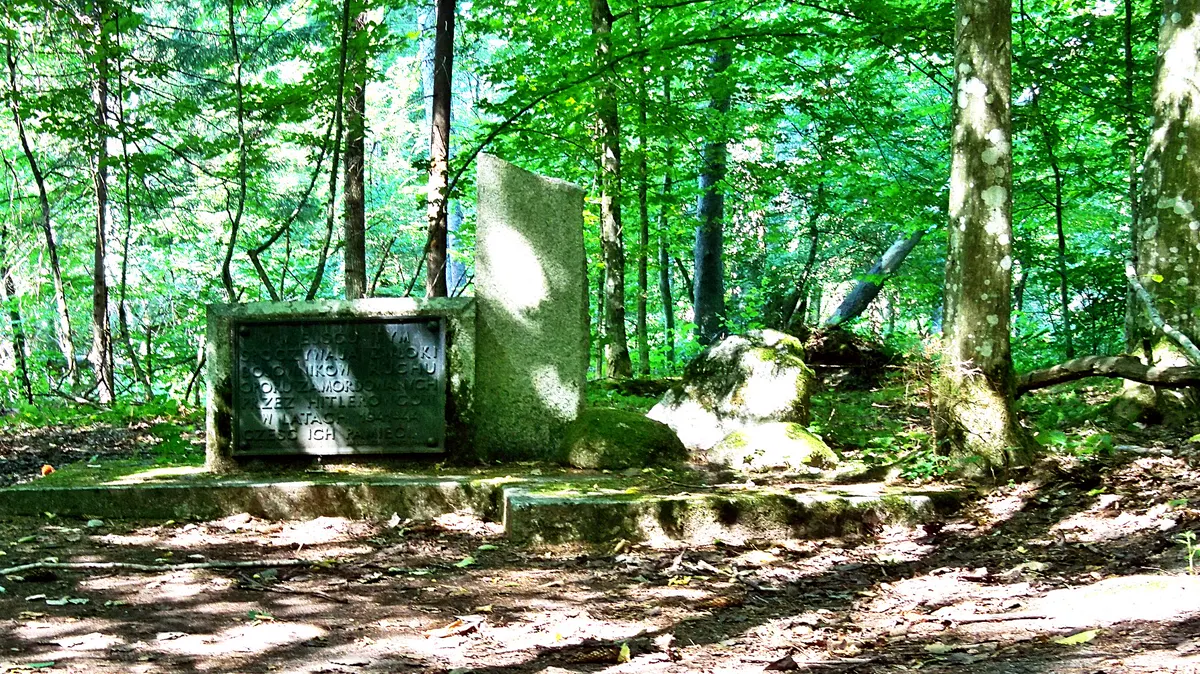
Execution Site Memorial (Miejsce Straceń)
A memorial at a former gravel pit near Białowieża marking the wartime execution of around 500 local people by Nazi German forces. It is one of the village's most important places of remembrance.