Region
Silesia
Pomerania (Pomorze) is Poland's main stretch of Baltic coast, centred on Gdansk and the Tri-City it forms with Sopot and Gdynia. It combines a great Hanseatic port city with beaches, dunes and one of Europe's largest castles.
Gdansk is the draw: a rebuilt merchant city of tall brick gates, the long waterfront on the Motlawa, and the shipyard where the Solidarity movement began, told today at the European Solidarity Centre. Sopot, a short commuter-train ride north, adds a spa-town seafront and the longest wooden pier on the Baltic.
The coast runs west into wide sandy beaches and the shifting dunes of the Slowinski area, while inland to the southeast stands Malbork, the vast Gothic castle of the Teutonic Order and a UNESCO site reachable by train. The Hel peninsula reaches out into the sea for beaches and windsports.
Gdansk is the base, with its own airport and fast trains south to Warsaw and beyond. The Tri-City is joined by the SKM commuter line, so Sopot and Gdynia need no car; allow three days to add Malbork and a day on the coast.
Destinations
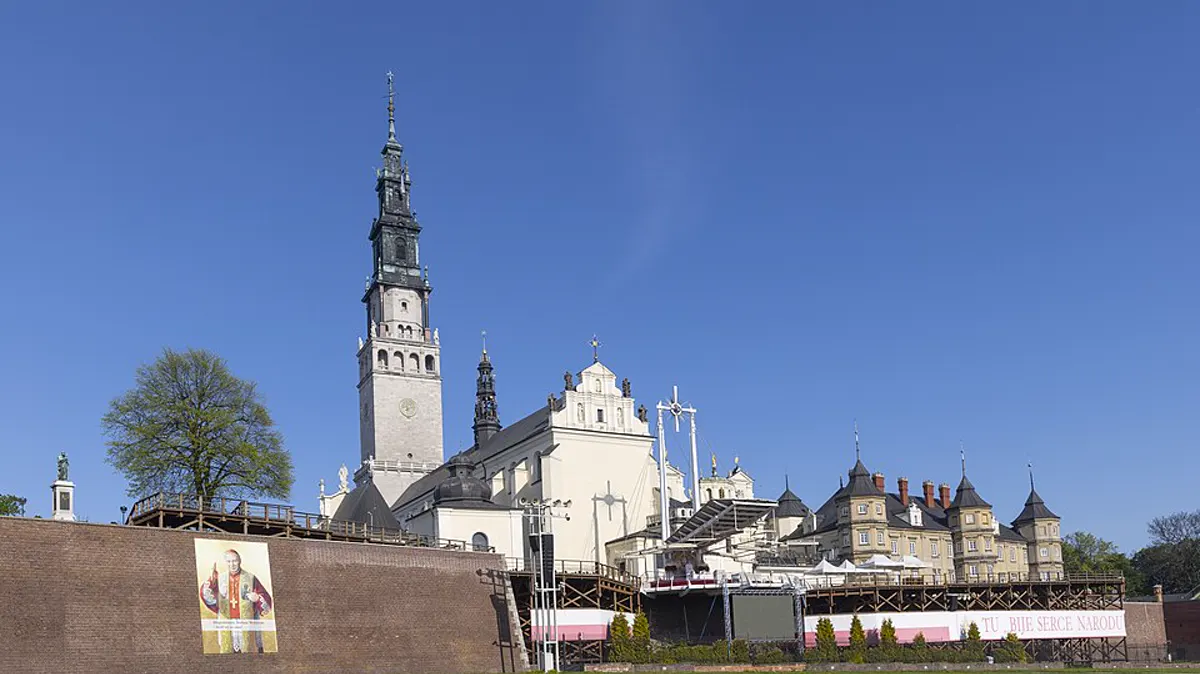
Częstochowa
Home to the monastery of Jasna Gora and the Black Madonna, the holiest Catholic shrine in Poland and the goal of mass pilgrimages each year.
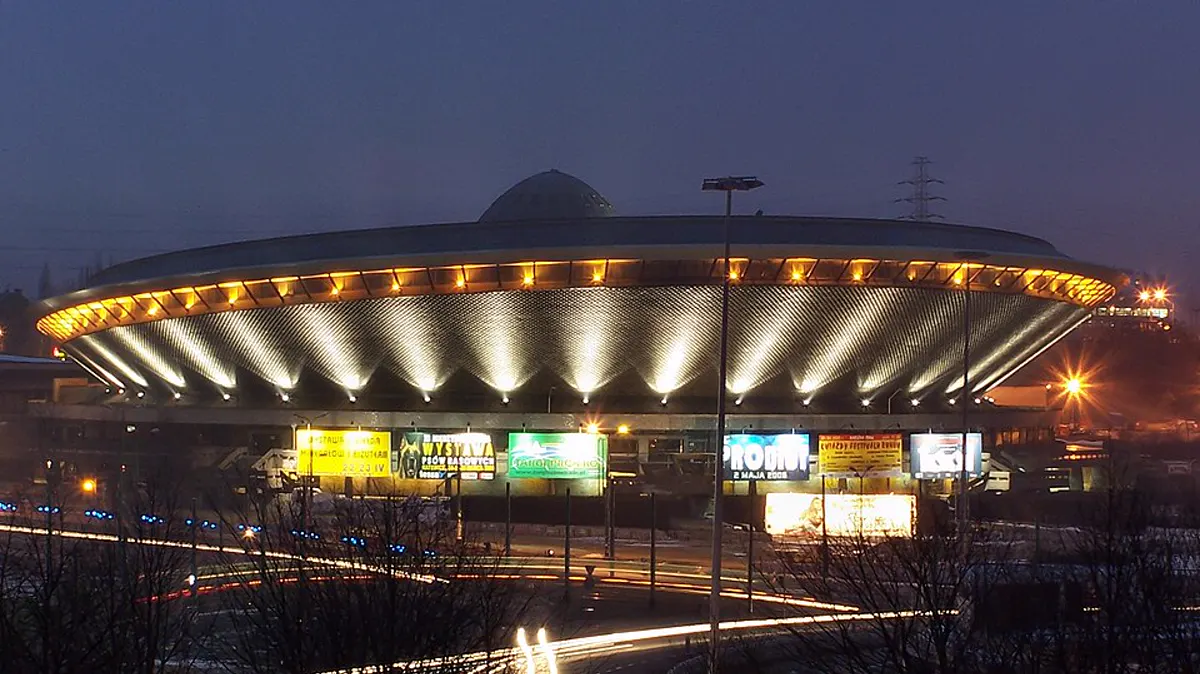
Katowice
The capital of industrial Upper Silesia, reinventing coal-era grit as culture, with a UNESCO music title, a striking concert hall and a historic miners' settlement.
Places to see
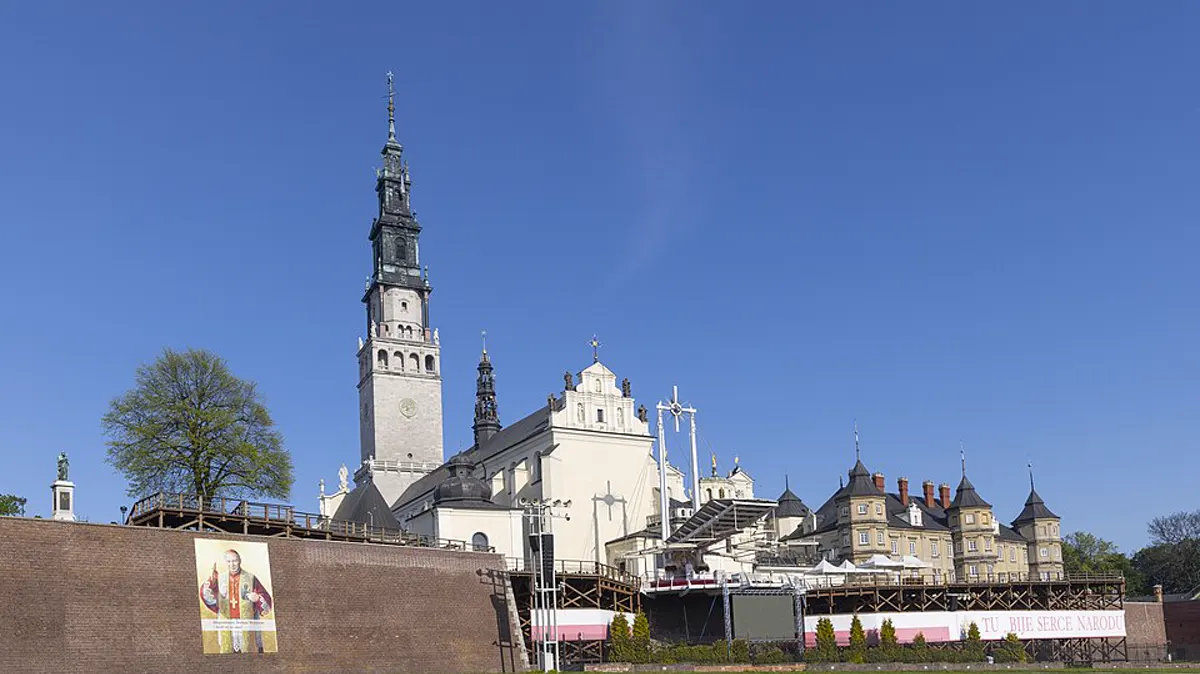
Attraction
Jasna Gora Monastery
The fortified hilltop monastery that guards the Black Madonna icon, the most important Catholic pilgrimage site in Poland.
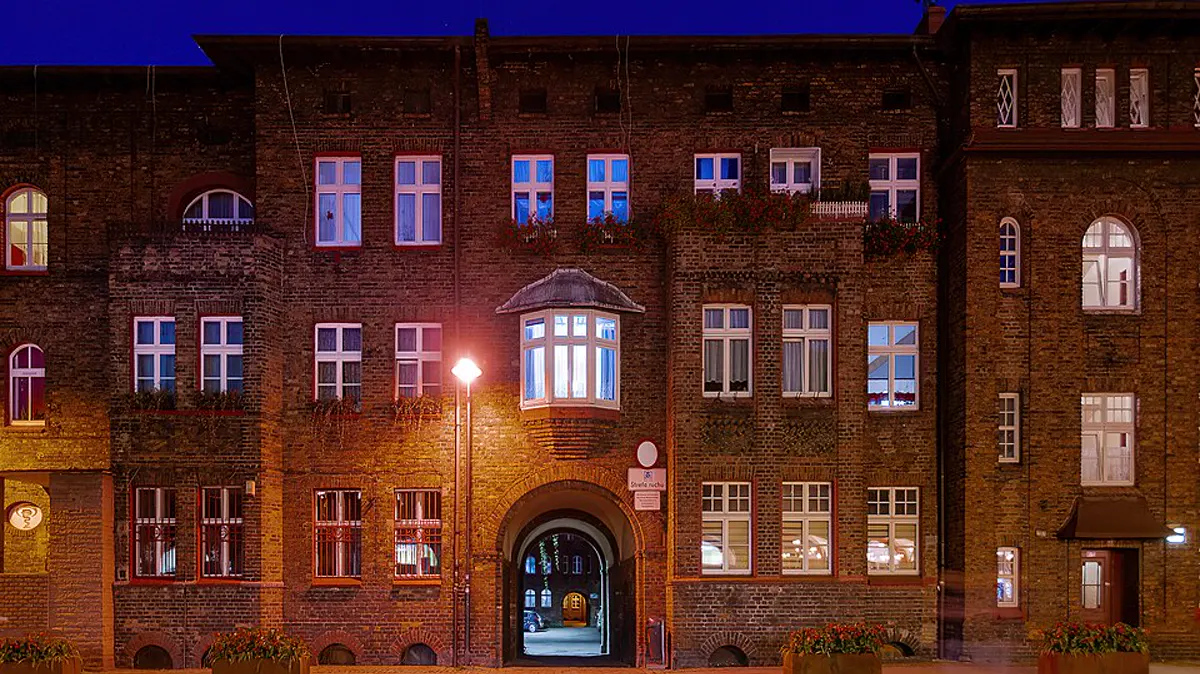
Attraction
Nikiszowiec
A complete early-twentieth-century miners settlement of red-brick courtyards, now a protected monument and the most atmospheric corner of Katowice.
Attraction
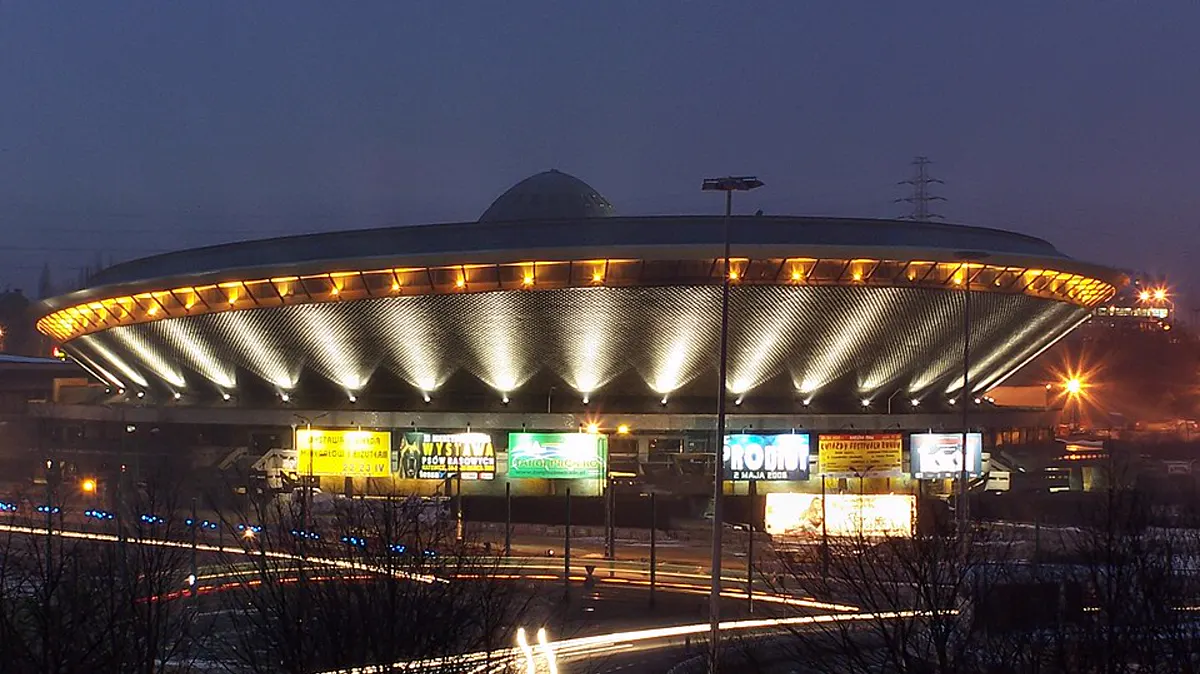
Spodek
Katowice's 1971 saucer-shaped arena is the city's best-known building and its main venue for concerts, sport and trade fairs.
Museum
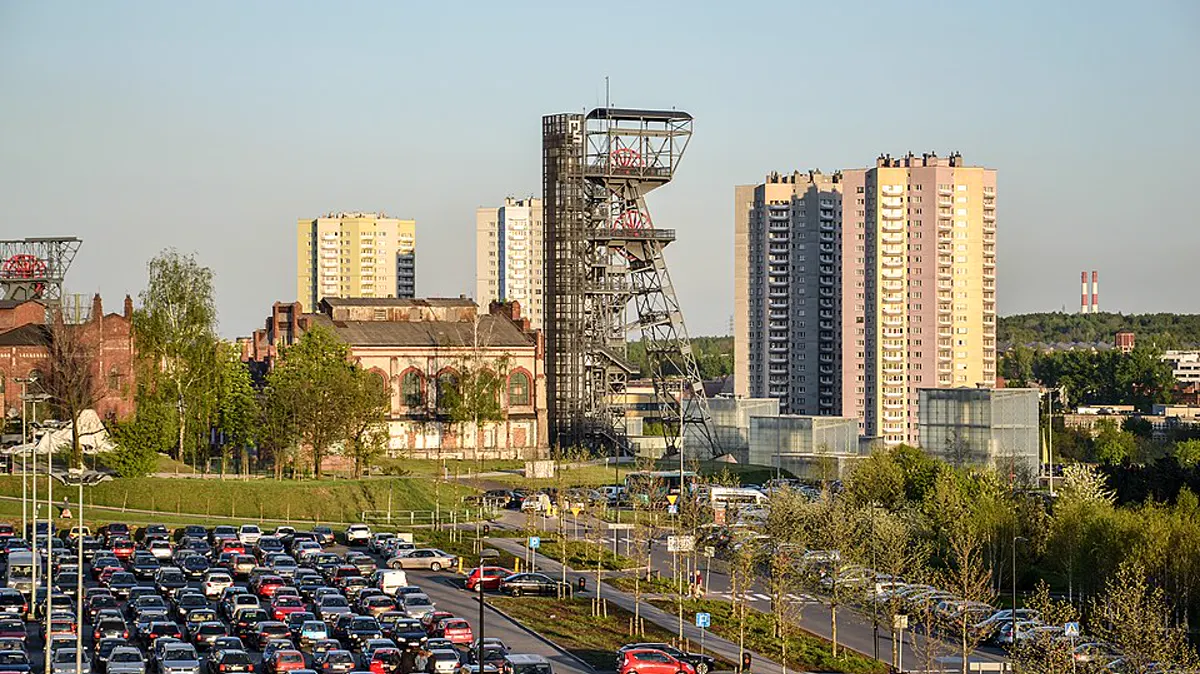
Silesian Museum
A major regional museum built into the shafts and tunnels of a closed Katowice coal mine, with most of its galleries underground.
Attraction
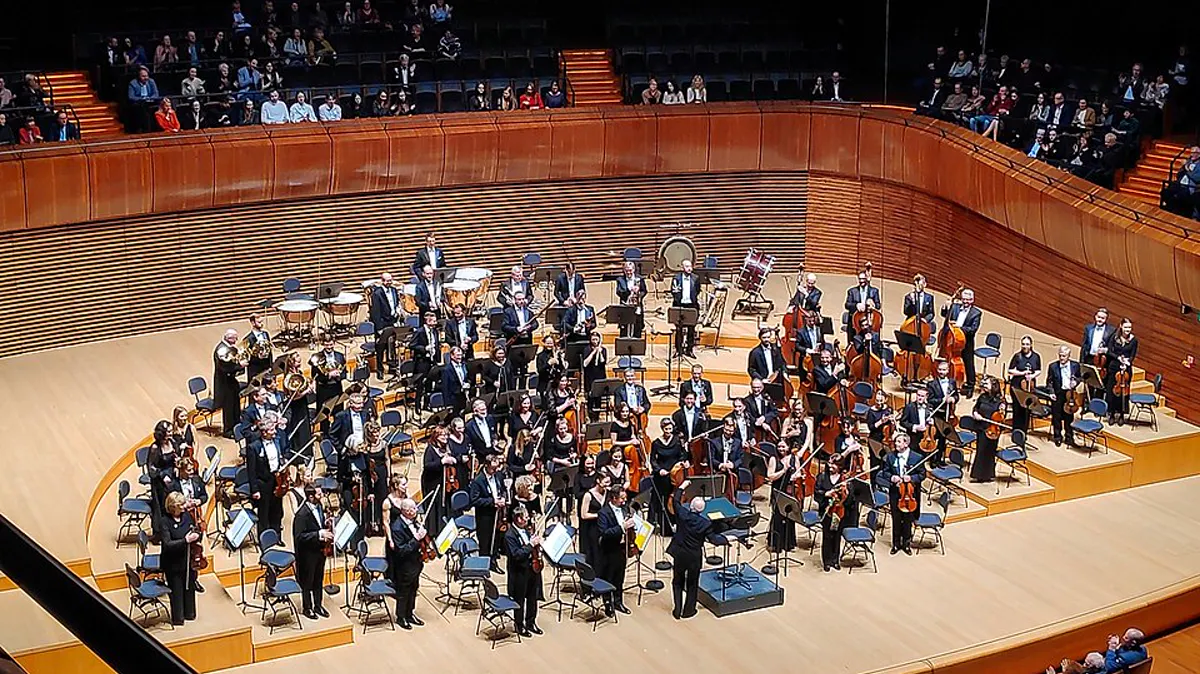
NOSPR (Polish National Radio Symphony Orchestra)
The purpose-built home of Poland's National Radio Symphony Orchestra, with acoustics by the designer of some of the world's leading concert halls.
Attraction
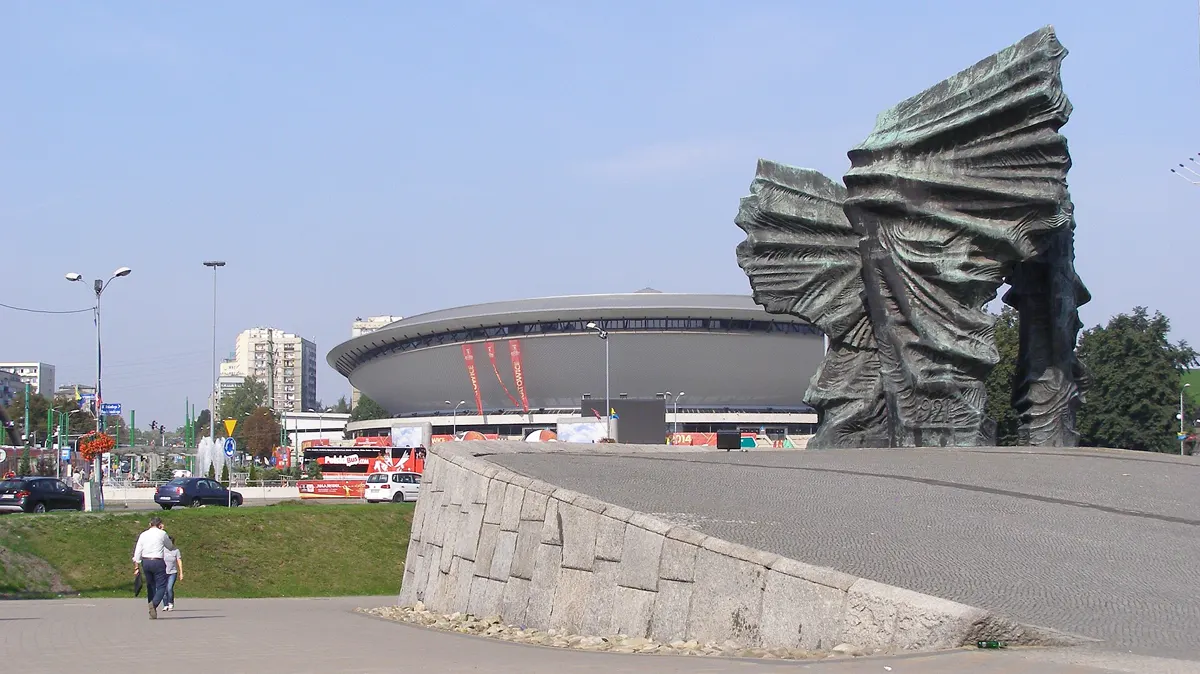
Silesian Insurgents' Monument
Three great steel wings honouring the Silesian Uprisings, frequently described as the largest and heaviest monument in Poland.
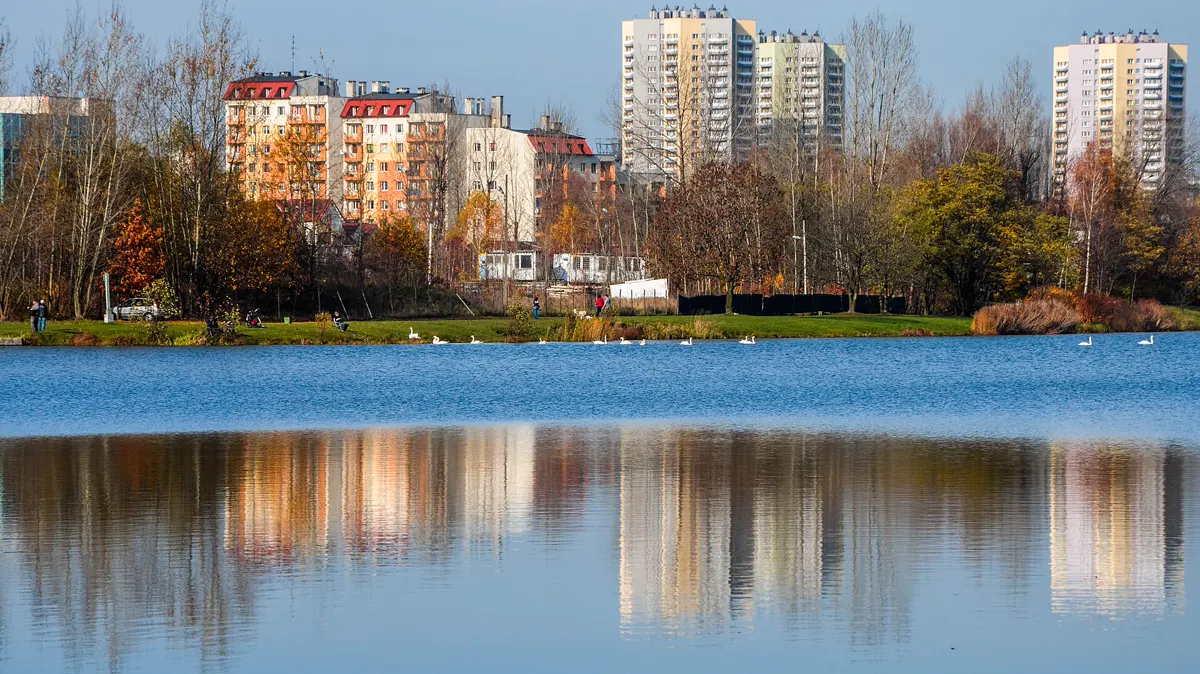
Nature
Valley of Three Ponds (Dolina Trzech Stawow)
A large lakeside park in southern Katowice for walking, cycling and water sports, and home to the OFF Festival.
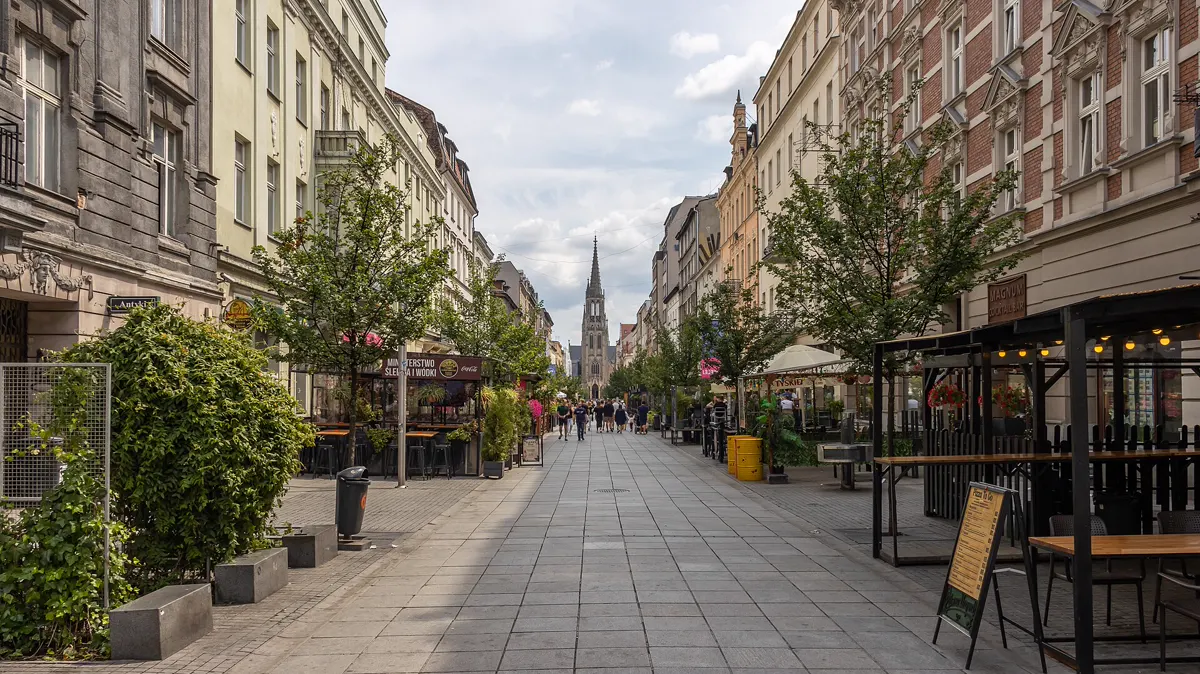
Restaurant
Browar Mariacki
A brewpub on Mariacka Street brewing its own beer in a converted warehouse, with Silesian and grilled dishes alongside.
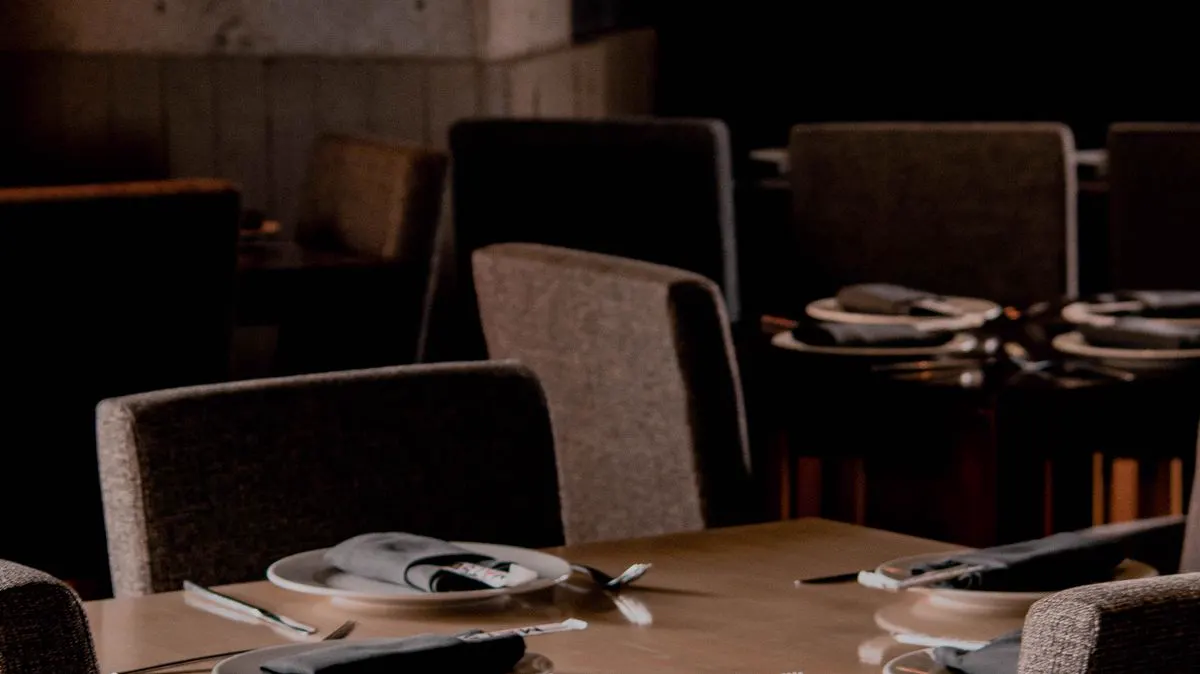
Restaurant
Wspolwinni Katowice
A MICHELIN Guide listed restaurant near the Culture Zone, with a seasonal menu that crosses southern European and modern Polish cooking.