Museum in Lublin
Majdanek Memorial
The preserved site of a German Nazi concentration and extermination camp on the edge of Lublin, kept as a memorial to its victims.
Reviewed and updated June 2026
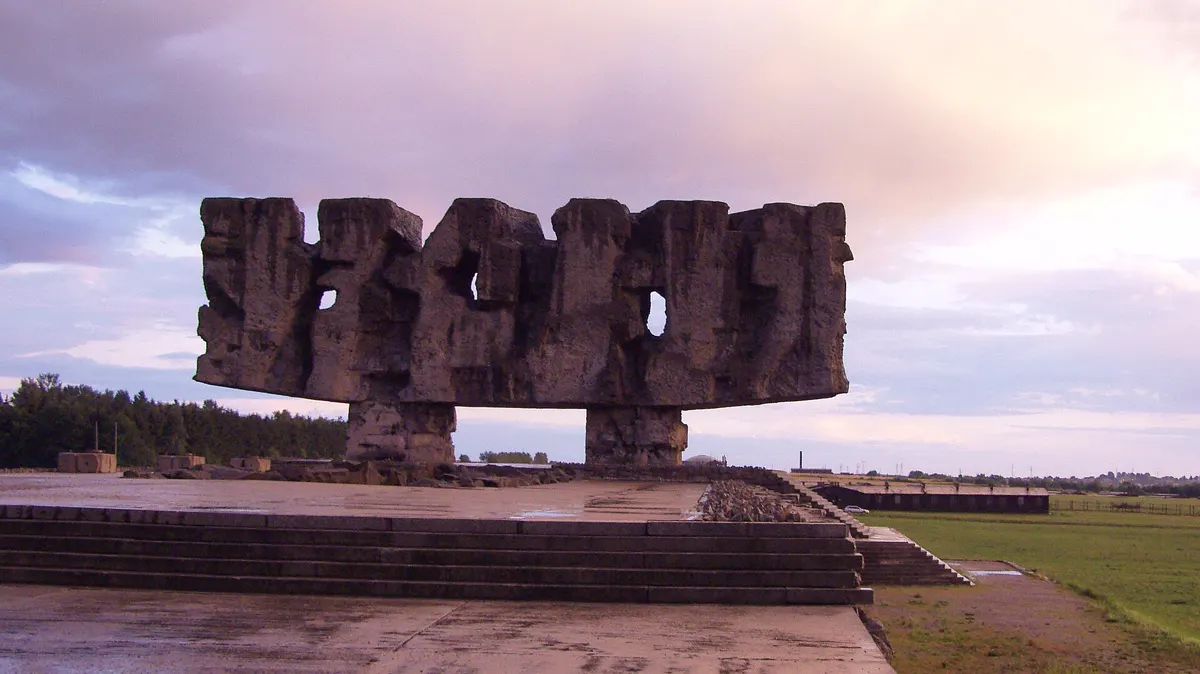
Majdanek is the site of a German Nazi concentration and extermination camp on the southern edge of Lublin, preserved as a state museum and memorial. Unlike most camps, it was captured largely intact, so the barracks, watchtowers, gas chambers and crematorium still stand where they were built. It is a place of mourning and record rather than a sight to tick off, and a visit asks for time and care.
What Majdanek is
Construction of the camp began in 1941 and it operated until Soviet forces reached it in July 1944. Because the retreating German staff failed to destroy it, Majdanek is one of the best-preserved camps of the Holocaust. The museum on the grounds was founded in 1944, the first memorial of its kind in the world. Tens of thousands of people were murdered here, a large share of them Jews.
What to see at Majdanek
A marked route leads across the field of the camp. It passes the surviving barracks, some holding exhibitions, the perimeter fences and towers, and the buildings where people were killed. At the far end stands the mausoleum designed by Wiktor Tolkin and unveiled in 1969, a large dome that holds the ashes of victims gathered on the site. A monument gate marks the entrance to the memorial route.
How long to spend at Majdanek
Allow at least two to three hours. The grounds are large and open, and walking the full route from the entrance monument to the mausoleum takes time. Give yourself space to pause. Many visitors find one thorough visit is enough.
Getting to Majdanek
The memorial lies on the south-eastern edge of the city, a short bus or trolleybus ride from the centre along the road towards Zamosc. There is parking for those driving. The site is exposed, with little shade, so dress for the weather. For routes and transport, see the Lublin guide.
What's nearby in Lublin
Majdanek sits apart from the old centre, but a Lublin visit usually pairs it with the historic core:
- The Old Town, in the city centre.
- The Grodzka Gate, whose NN Theatre centre records the city's lost Jewish community.
- Lublin Castle, which held prisoners during the occupation.
Good to know
This is a burial ground and memorial. Admission is free. Keep quiet, do not eat or picnic on the grounds, and think carefully before bringing young children. Check opening days and hours before you go, as parts of the site close in winter.
Common questions about Majdanek
How much does it cost?
Entry to the memorial and its exhibitions is free. Guided tours can be arranged for a fee. Confirm current arrangements with the museum before your visit.
Why is Majdanek so well preserved?
The camp was overrun quickly in 1944 and the staff did not manage to demolish it, so the buildings and structures survived. That is why the barracks, chambers and crematorium can still be seen today.
Frequently asked questions
More to explore in Lublin

Restaurant
Mandragora
A candlelit restaurant on the Old Town market recreating Lublin's pre-war Jewish and Polish cooking.
Hotel
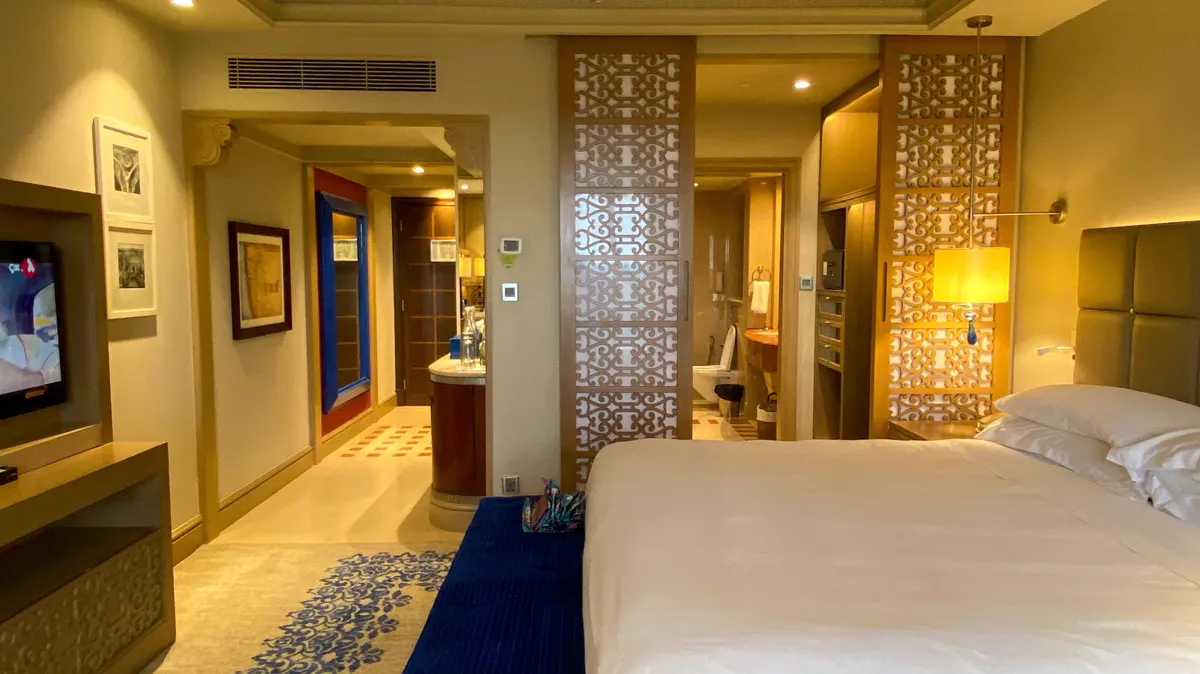
Grand Hotel Lublinianka
A restored early-20th-century hotel on the main promenade with a spa in its cellars.
Castle
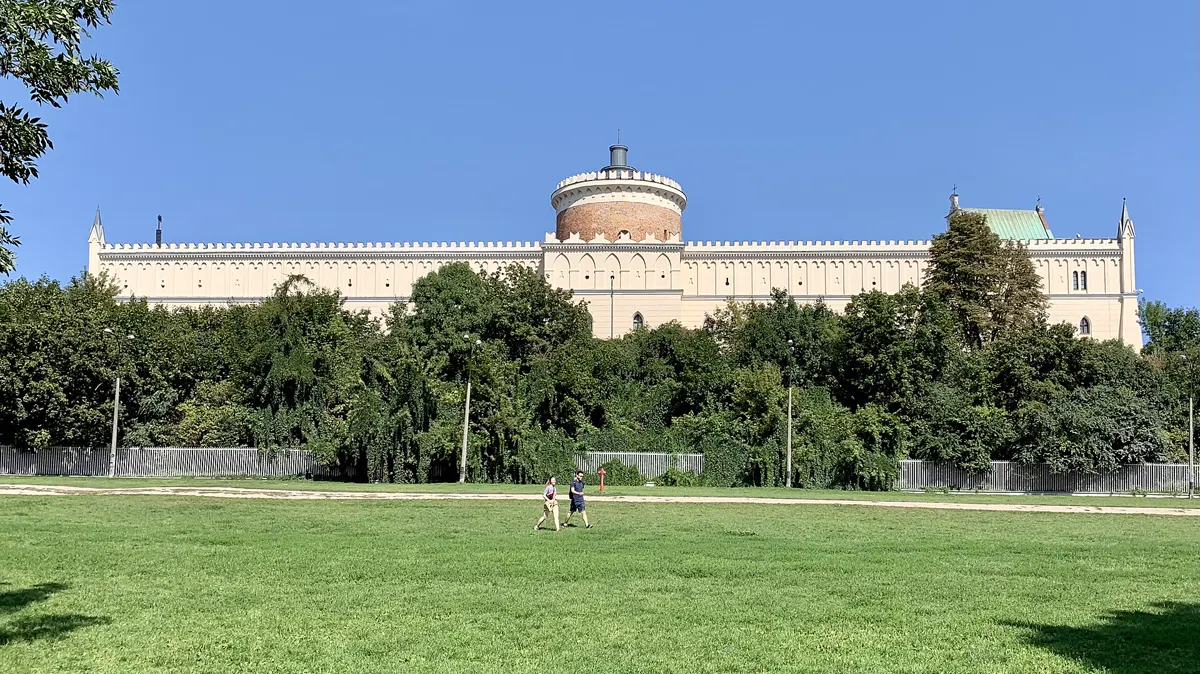
Lublin Castle
A hilltop castle whose Gothic chapel holds a rare cycle of Byzantine-style frescoes from 1418, the finest sight in the city.
Attraction
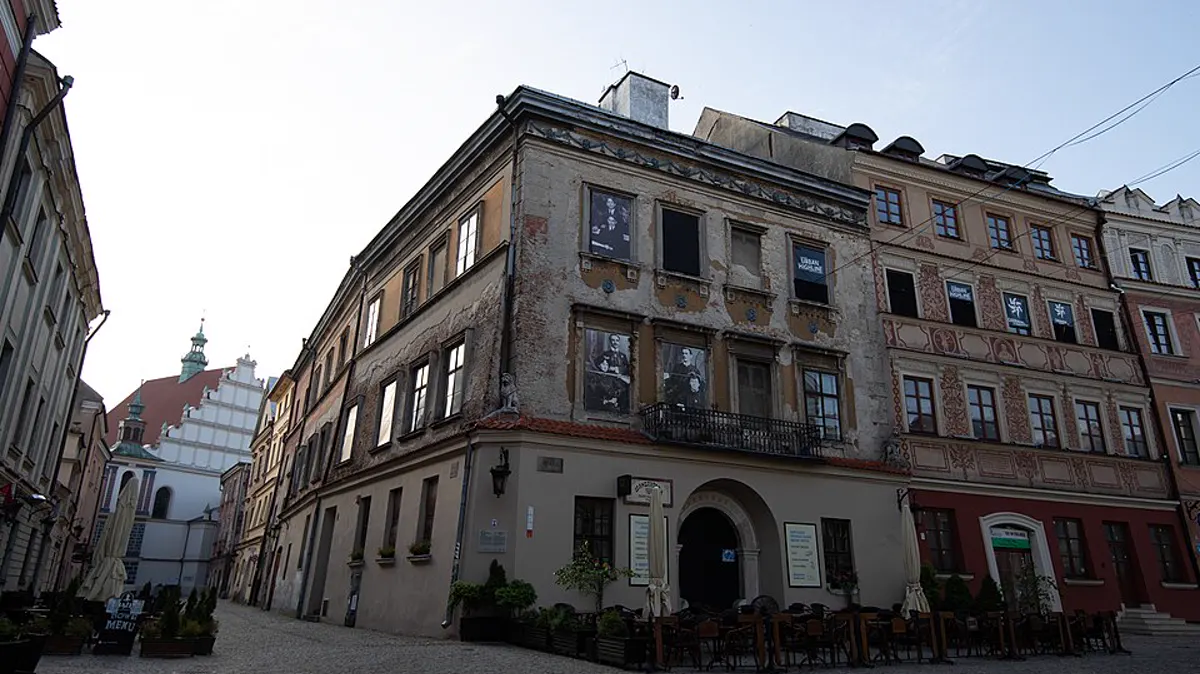
Stare Miasto (Lublin)
Lublin's medieval Old Town winds through narrow lanes and hidden courtyards, with painted Renaissance facades and Rynek square framing the old Trybunal (Crown Tribunal) at its centre.
Attraction
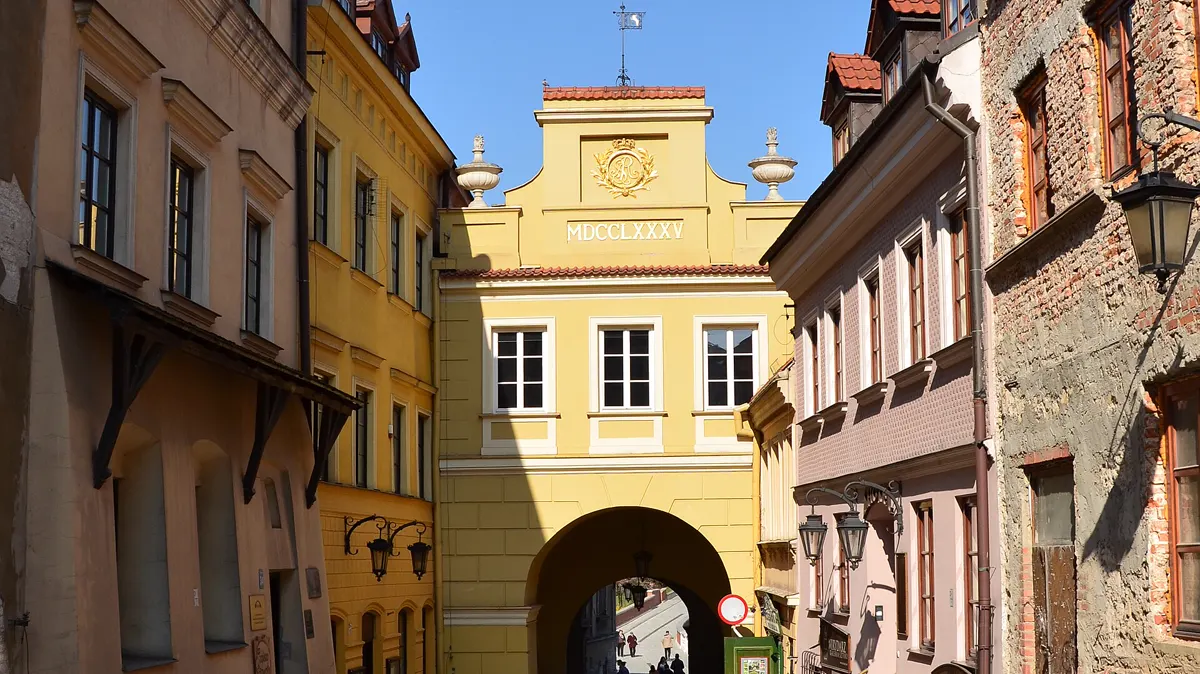
Grodzka Gate, NN Theatre Centre
A municipal cultural institution inside Lublin's 14th-century Grodzka Gate, dedicated to preserving the memory of the city's vanished Jewish community through exhibitions and one of Poland's largest oral-history archives.
Nature
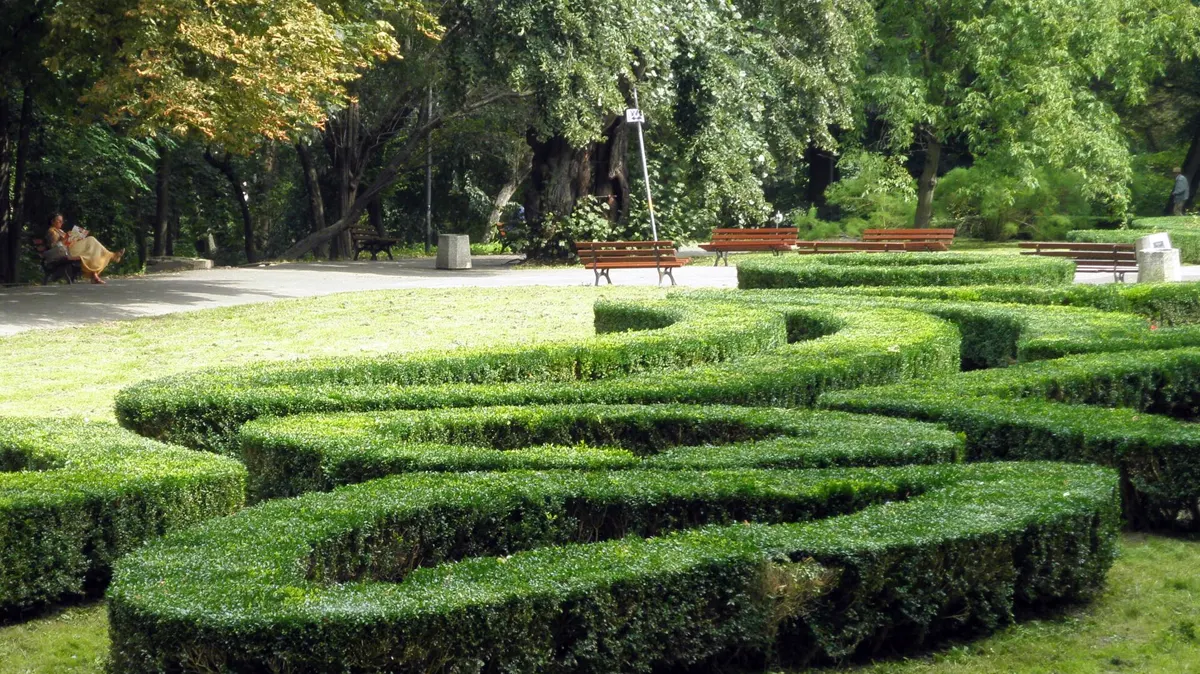
Saxon Garden
Lublin's elegant 19th-century park, a shaded promenade of old trees and fountains.