Region
Pomerania
Podlasie is Poland's northeastern corner, a border region of forests, marshes and villages that feels a world away from the cities. It is the country's great wilderness destination.
Its emblem is the Bialowieza Forest, the last large remnant of the primeval lowland woodland that once covered much of Europe, a UNESCO site and the refuge of the wild European bison, the continent's heaviest land animal. Nearby, the Biebrza marshes draw birdwatchers to one of Europe's largest surviving wetlands.
Podlasie is also Poland's most mixed borderland, with Orthodox churches, the wooden mosques of the Polish Tatars and a deep Jewish heritage all part of its story. The regional capital, Bialystok, centres on a grand baroque palace and its gardens.
This is a region for slow travel and nature, best reached by car and enjoyed over an overnight or more rather than a rushed day trip; guided dawn walks are the way to see the forest and its animals.
Destinations
Places to see
Attraction
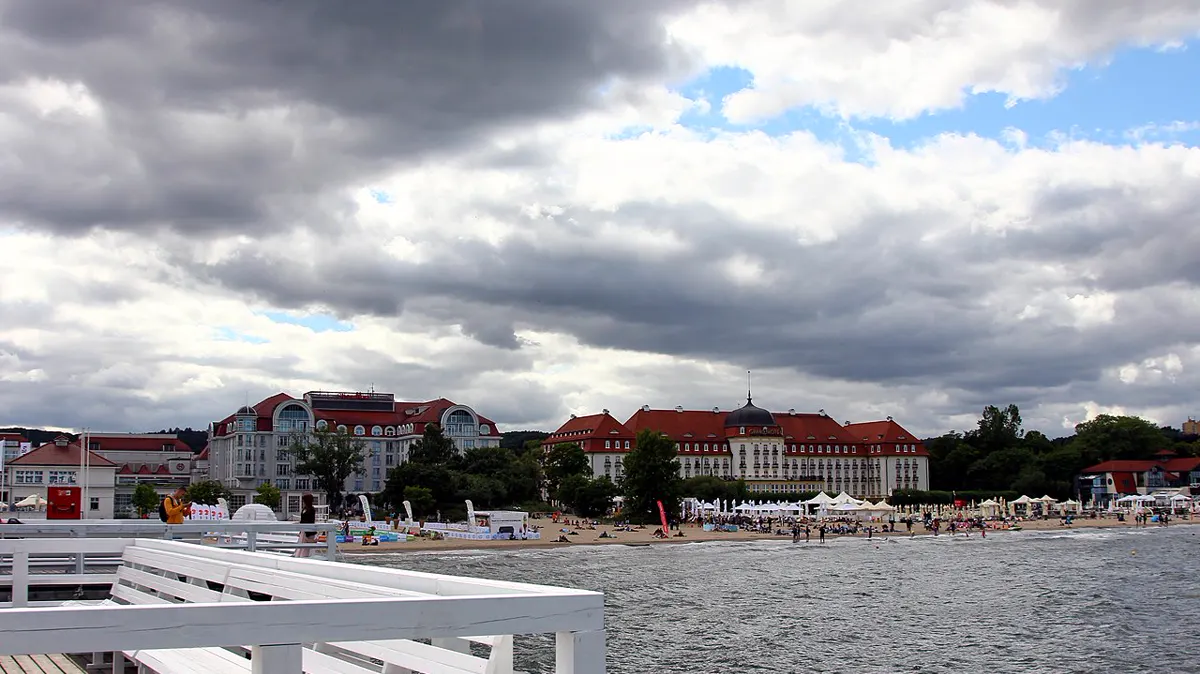
Sopot Pier
The longest wooden pier in Europe, reaching more than 500 metres into the Bay of Gdansk from the elegant heart of the resort.
Attraction
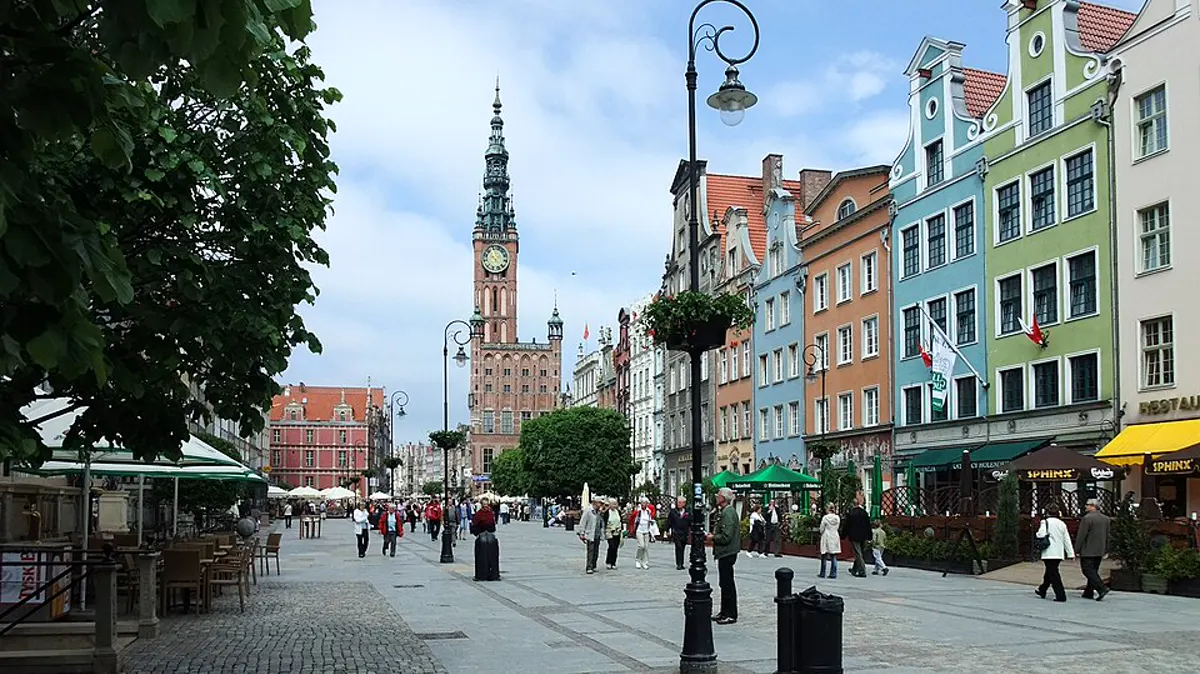
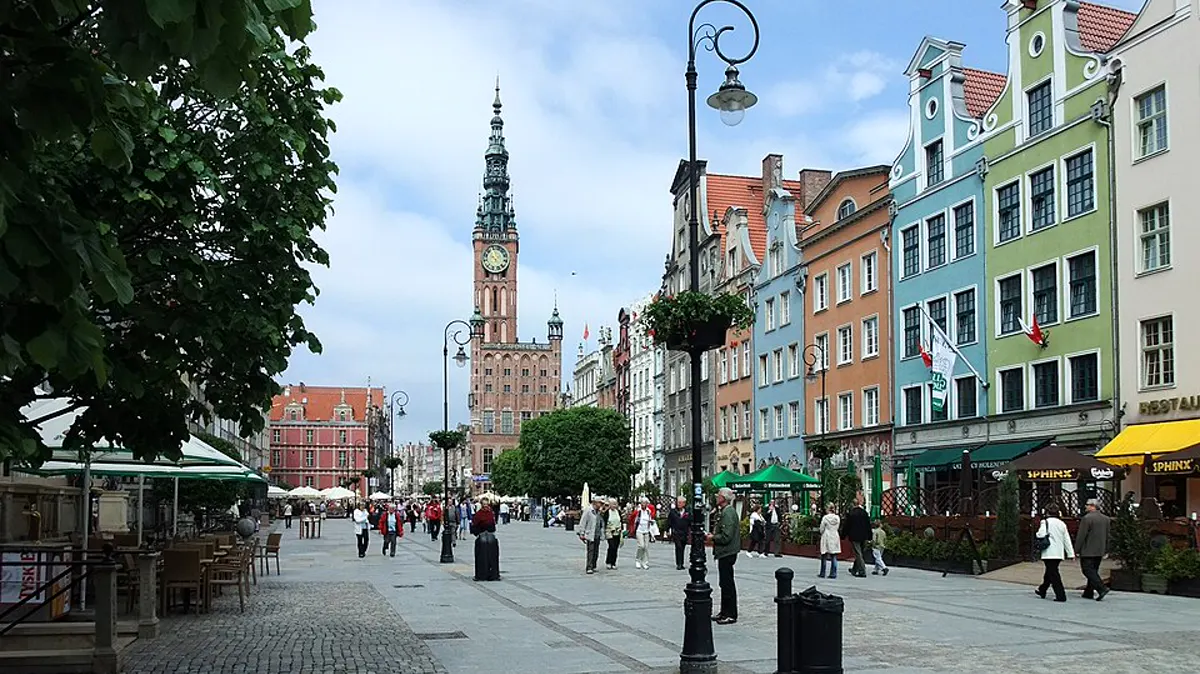
Long Market
The grand main thoroughfare of Gdansk, a wide promenade of merchant facades running from the Golden Gate to the river.
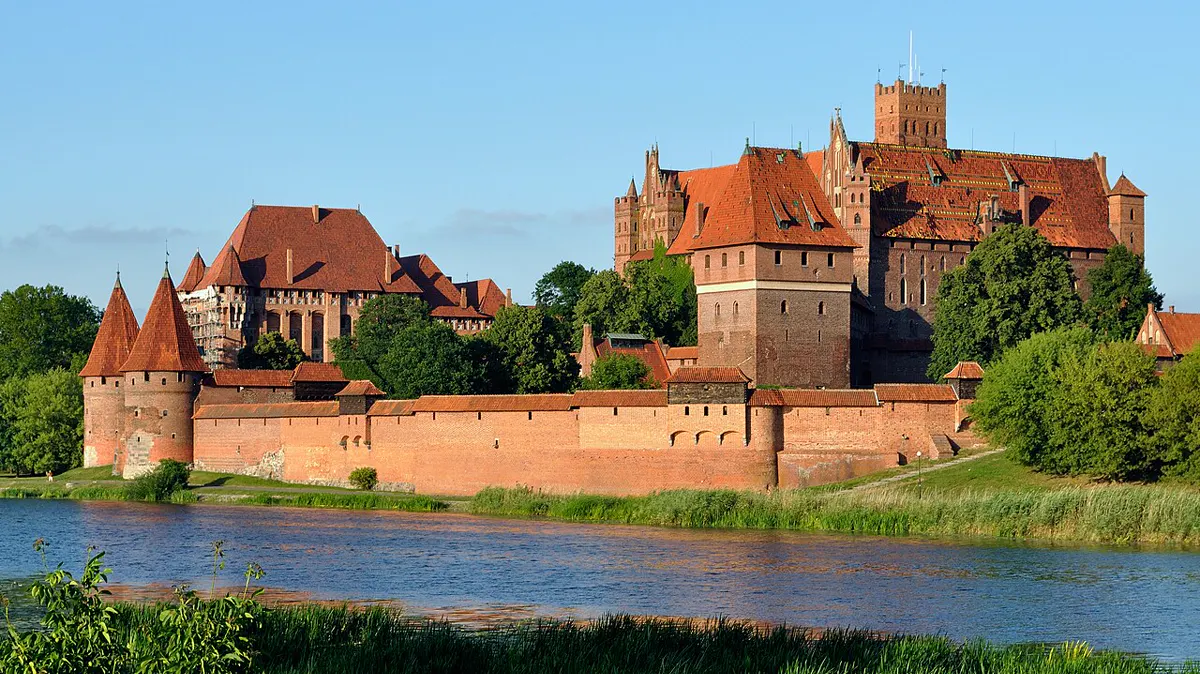
Castle
Malbork Castle
The largest castle in the world by land area, a vast red-brick fortress built by the Teutonic Knights on the Nogat river.

Restaurant
Eliksir
A refined tasting-menu restaurant in the Garnizon district of Wrzeszcz, making the most of Baltic ingredients.
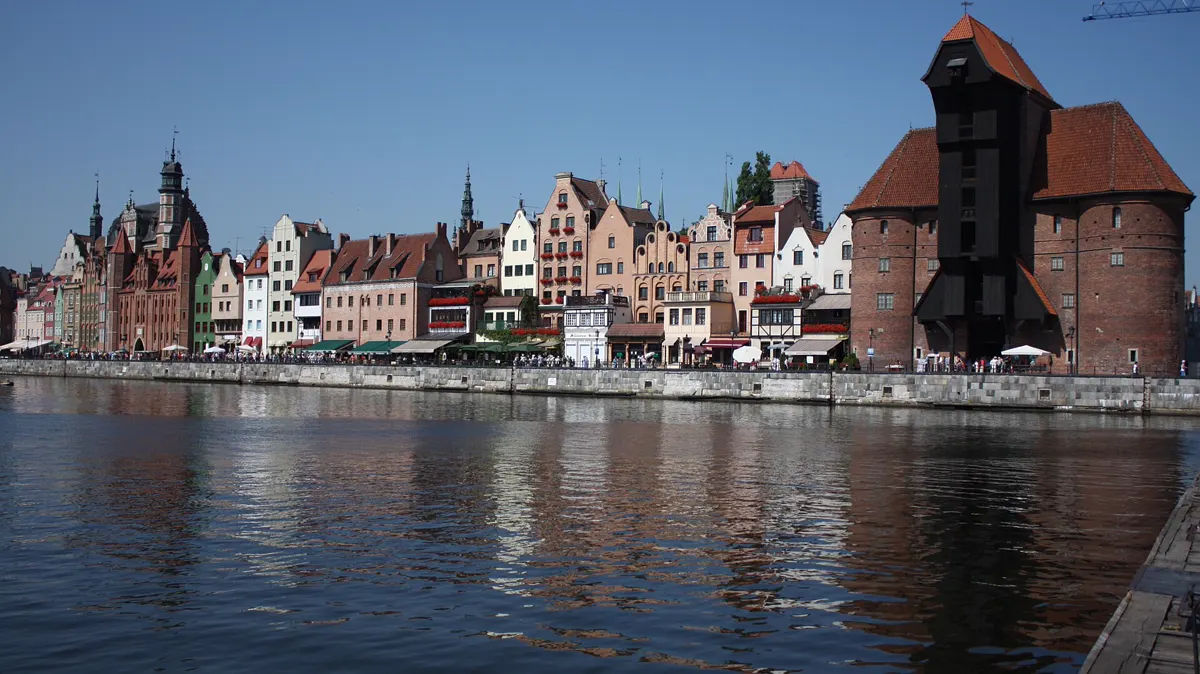
Hotel
Hotel Podewils
A baroque townhouse hotel right on the marina, facing the old crane across the water.
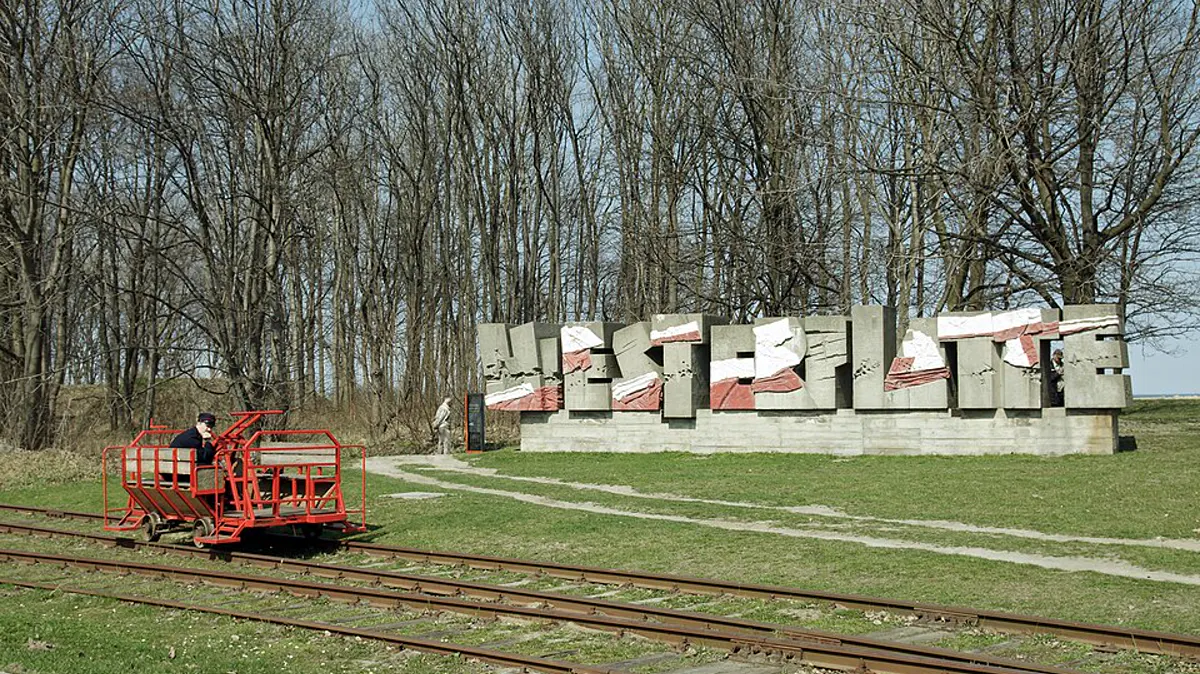
Nature
Westerplatte
The seaside peninsula where WWII began, now a memorial park reached by a summer river boat.
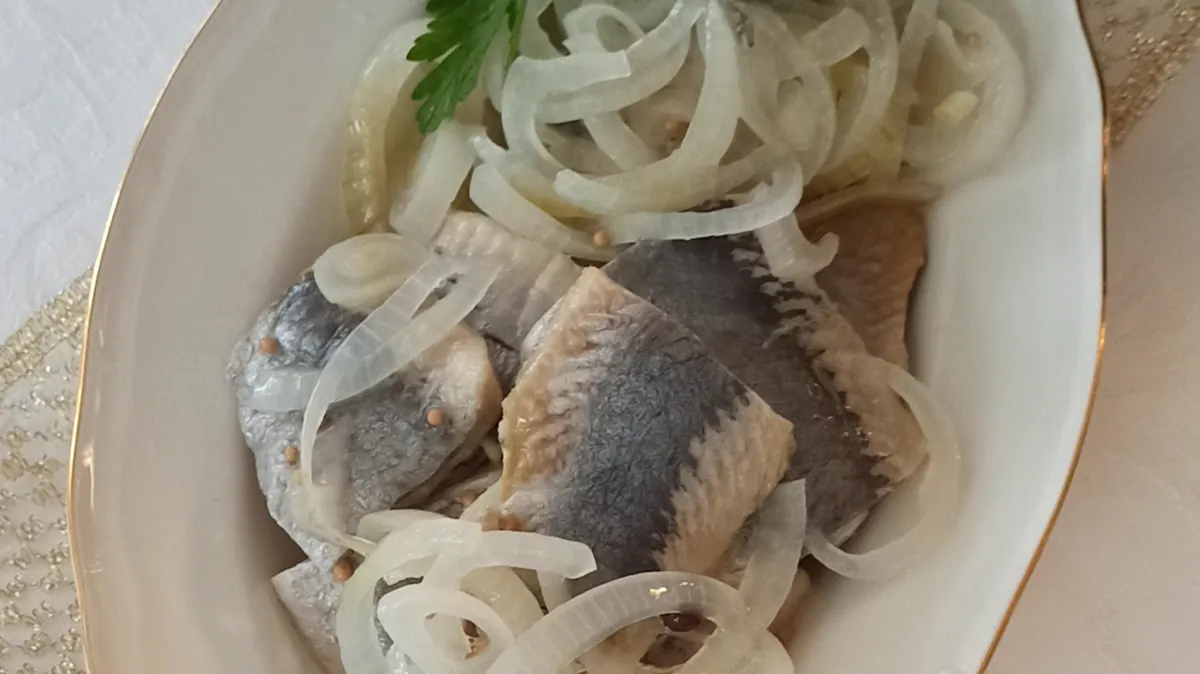
Restaurant
Bulaj
A seafront favourite doing Baltic fish and seasonal Polish cooking with a sea view.
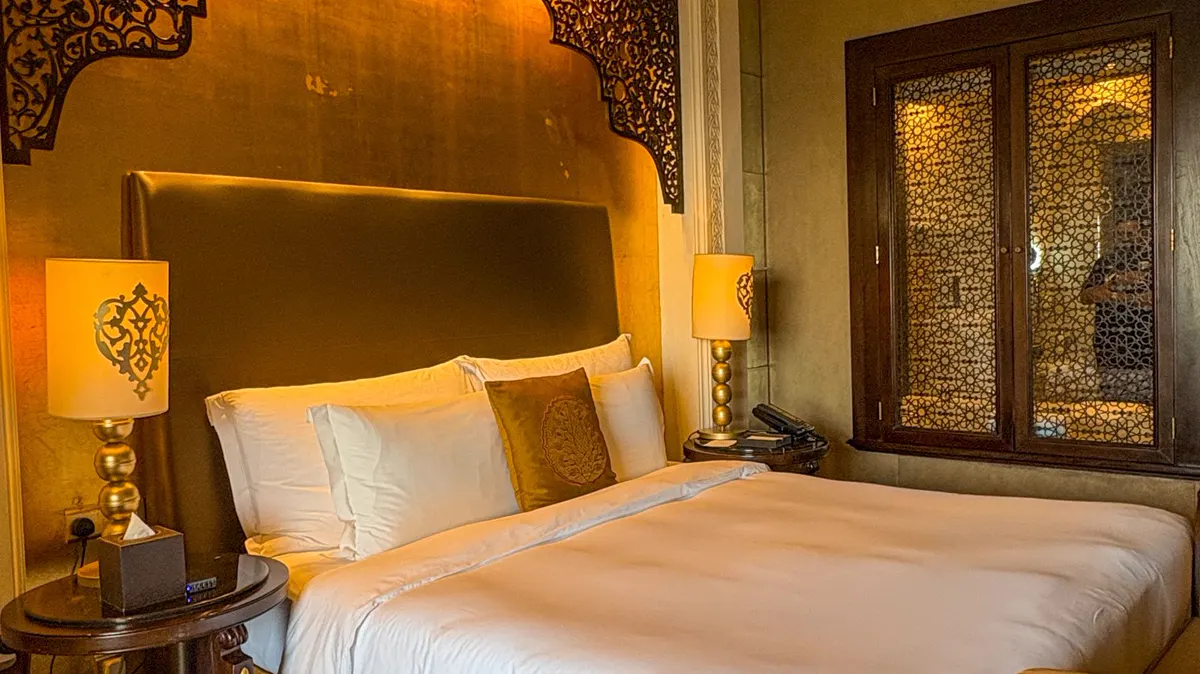
Hotel
Sofitel Grand Sopot
The historic grand hotel on the beach beside the pier, host to stars since the 1920s.
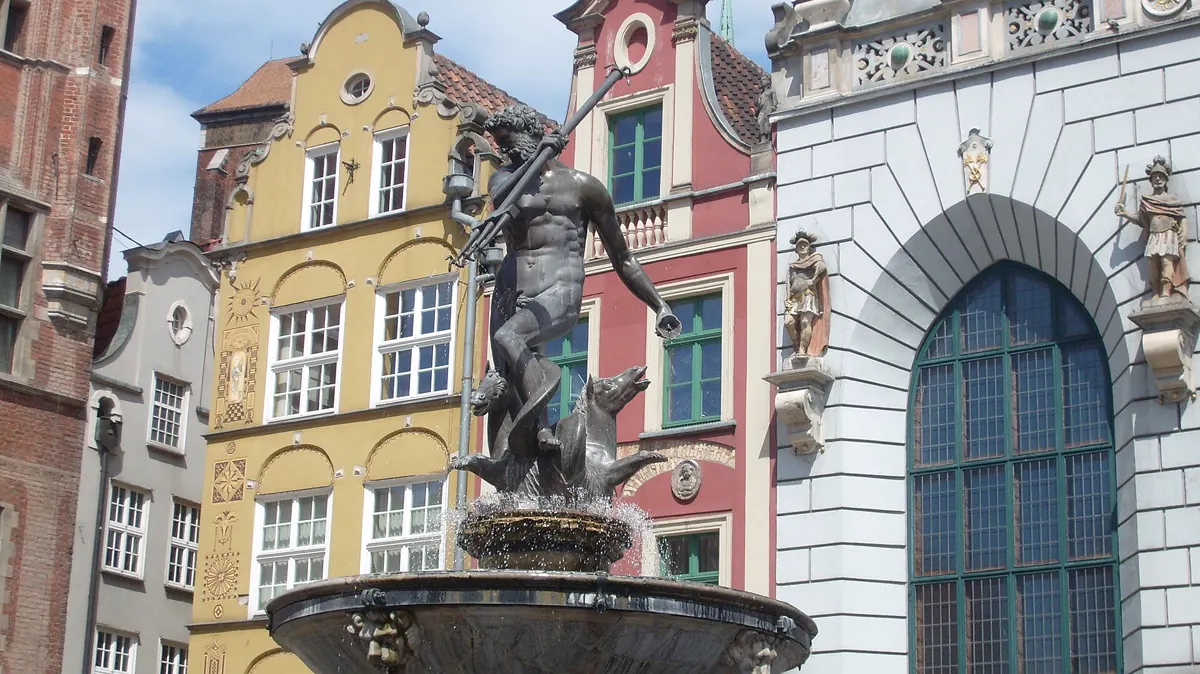
Attraction
Fontanna Neptuna
The bronze Neptune Fountain, cast in the early 17th century, has stood in front of the Artus Court since 1633 and became the symbol of Gdansk. Local legend claims the god's trident scattered gold flakes into the water, inspiring the herbal liqueur Goldwasser.