Things to do in Zakopane
Things to Do in Zakopane
A practical guide to the best things to do in Zakopane, from Krupowki and the Kasprowy Wierch cable car to hiking Morskie Oko and the Tatra valleys, plus winter skiing.
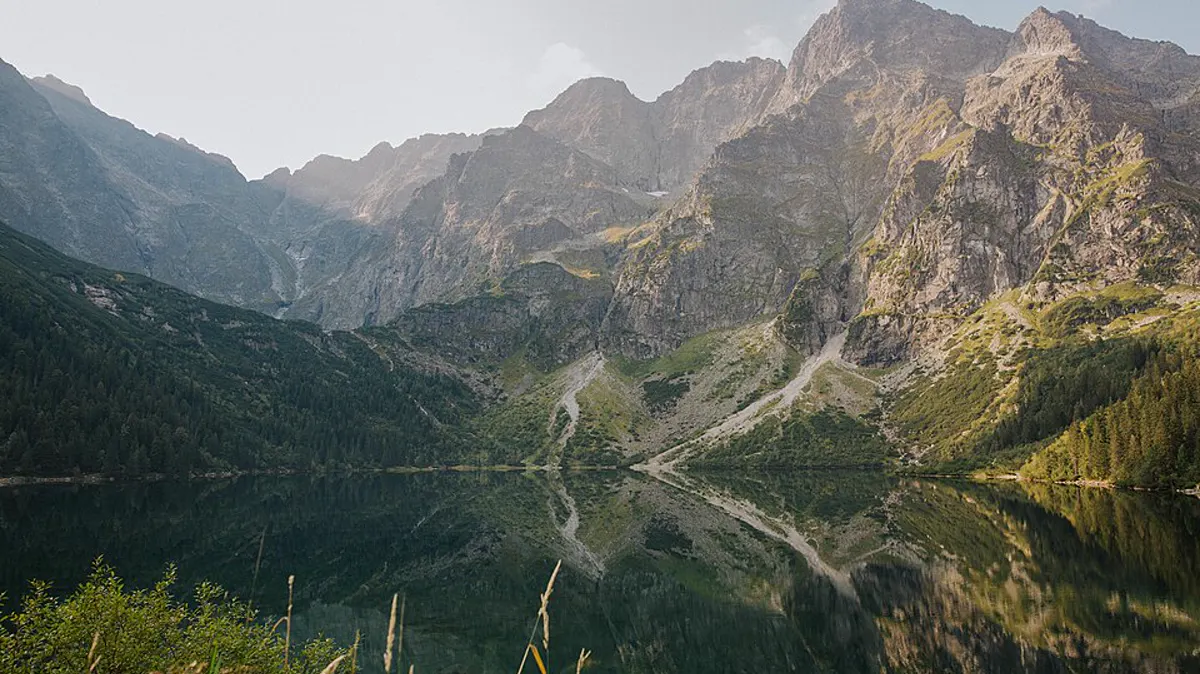
Zakopane sits at the foot of the Tatra Mountains in southern Poland, and it is the country's main base for hiking, skiing and highland culture. The best things to do here split into three groups: walking the town and its wooden landmarks, riding the cable cars for mountain views, and heading into the Tatras on foot. Most visitors reach it by road or bus from Krakow, about two hours to the south. This guide to Zakopane covers the year-round highlights, from summer trails to winter pistes.
Krupowki and the town centre
Start on Krupowki, the pedestrian street that runs through the middle of Zakopane. It is lined with restaurants, shops, market stalls and highland music, and it is the easiest place to get your bearings on arrival.
Along the street and its side lanes you will find sheep's cheese grills, souvenir sellers and cafes. It gets busy in July, August and over the winter holidays, so an early start helps. From the lower end of Krupowki it is a short walk to the funicular that climbs Gubalowka, a grassy ridge with a wide view back across the town to the main Tatra wall.
Cable cars and mountain views
For the highest and easiest viewpoint, take the cable car up Kasprowy Wierch, a peak of 1,987 metres on the Polish-Slovak border. The line first opened in 1936 and carries you above the treeline in minutes. Tickets are often timed and sell out on clear days in peak season, so book ahead and check the official site for current fares and hours.
The summit is a ridge walk in itself, with marked paths running along the frontier. Below it stands Giewont, the 1,894-metre peak crowned by an iron cross that has become the symbol of the town. Giewont is a serious hike rather than a cable-car trip, and its exposed summit chains draw lightning, so avoid it in storms.
Hiking to Morskie Oko
The single most popular walk in the Polish Tatras is the one to Morskie Oko, a glacial lake at roughly 1,395 metres ringed by the highest peaks in the range. You cannot drive to the lake. From the Palenica Bialczanska car park it is about nine kilometres along a sealed road, which most people cover in around two hours each way on foot.
Horse-drawn carts run part of the route in summer for a fee, and the road can be walked or, in winter, reached on foot over snow. The car park fills early, so arrive at opening or come by organised transport. Strong walkers can climb higher to Czarny Staw above the lake.
The Tatra valleys
If you want mountain scenery without a hard climb, the valleys west of town are the answer. Dolina Koscieliska is a long, flat-bottomed limestone valley with caves and a mountain hut, easy enough for families and open to hikers year-round.
Nearby, the Chochołowska Valley is the longest in the Polish Tatras and is famous for crocuses that bloom across its meadows in early spring, usually around March and April. Both valleys have gentle gradients and clear signage, making them good choices for a first day.
Wooden architecture and Peksowy Brzyzek
Zakopane has its own building tradition, the Zakopane Style, developed by the painter and architect Stanislaw Witkiewicz in the 1890s from local highland carpentry. The first house built to his design was Willa Koliba, begun in 1892 and now open as a museum of the style.
Close to the centre stands the old wooden parish church and, beside it, Stary Cmentarz na Peksowym Brzyzku. This small historic cemetery holds the graves of writers, artists, mountaineers and highland figures under carved wooden and stone monuments, and entry is free.
Oscypek, thermal baths and eating out
The regional speciality is oscypek, a smoked sheep's cheese made in the mountains and protected under EU origin rules. You can buy it fresh from the Krupowki oscypek grills, where it is grilled and served warm with cranberry sauce.
For a longer sit-down meal, the highland inns around town serve mountain dishes and roast meats. To recover after a hike, the region has several large thermal complexes fed by hot springs. The Chochołowskie Termy in nearby Chochołów is one of the biggest, with indoor and outdoor pools open all year. Check the official site for opening hours before you go.
Winter skiing
In winter, Zakopane is Poland's leading ski town. Kasprowy Wierch has the most demanding, high-altitude runs, while smaller lifts around Gubalowka, Nosal and Szymoszkowa suit beginners and families. The season usually runs from December into early spring, depending on snow.
The town is also a ski-jumping centre. The Wielka Krokiew hill hosts World Cup competitions most winters, and the stands fill for the events. Even out of season you can visit the arena and ride up beside the jump for the view.
Good to know
The Tatras are a protected national park with an entry fee at trailheads, and weather changes fast at altitude, so carry layers and rain gear even in summer. Base yourself near Krupowki to reach buses and cable cars easily, and check park and lift websites for current prices and hours before each outing.
Written by ViewPoland Editorial for ViewPoland, an independent English-language guide to Poland. Published 24 July 2026. Last updated 24 July 2026.